
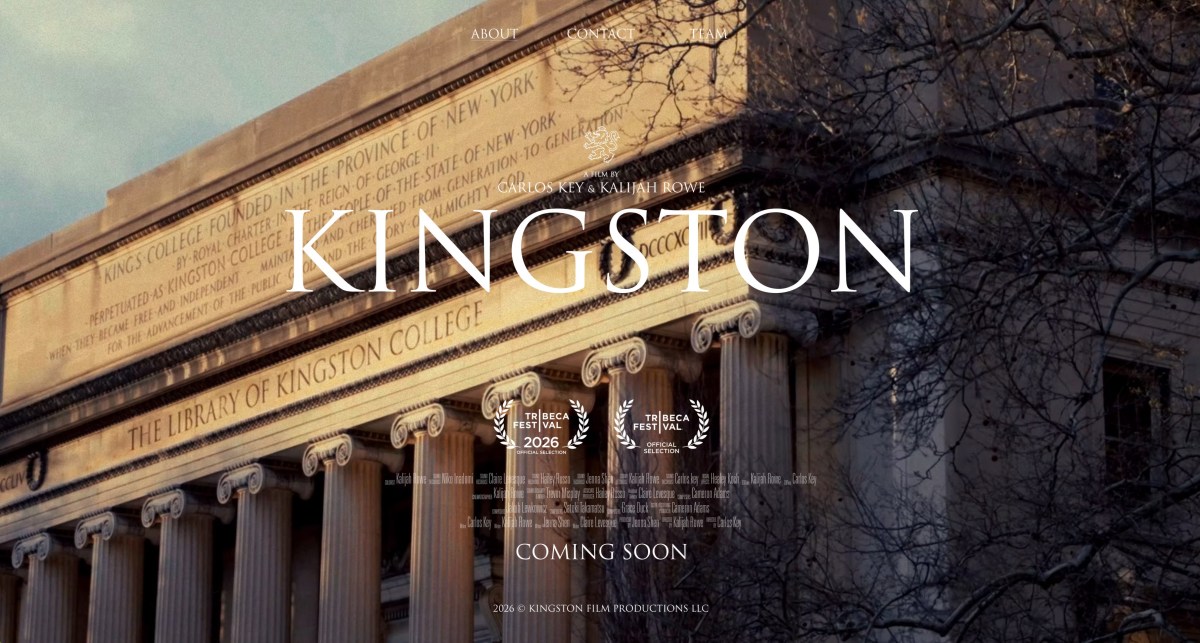
Kingston is a 2026 movie that premiered at at the 25th Tribeca Film Festival in New York City on June 4th 2026. The Kingston film is directed by Carlos Key and Kalijah Rowe who I’ve known since they were teens (high-school friends). Here’s my personal take and some behind-the-scenes anecdotes, particularly noting the production, and avoiding spoilers! For a really spot-on and eloquent review of Tribeca’s Kingston check this amazing piece from Black Girl Nerds.
Kingston beautifully captures the generational perspective of college life and the unique angst of the class of 2024 which transitioned from high-school to college-life over Zoom during the pandemic year of 2020. This cohort of young adults journeyed through the gauntlet of social and emotional challenges: physical and emotional isolation, mobile-app addiction, toxic national and global social and identity discourse, political radicalization, and the arrival of AI with the uncertainties for job prospects and the very concept of what it is to be human. This is among the first true “gen-z movies about gen-z” and seeing the cast and crew together at the world premiere screening in NYC June 4th was like watching a baton handed off to this generation–abundant talent, their own distinct voice, and super competent stewards for human cinema as an art form for the humanities.
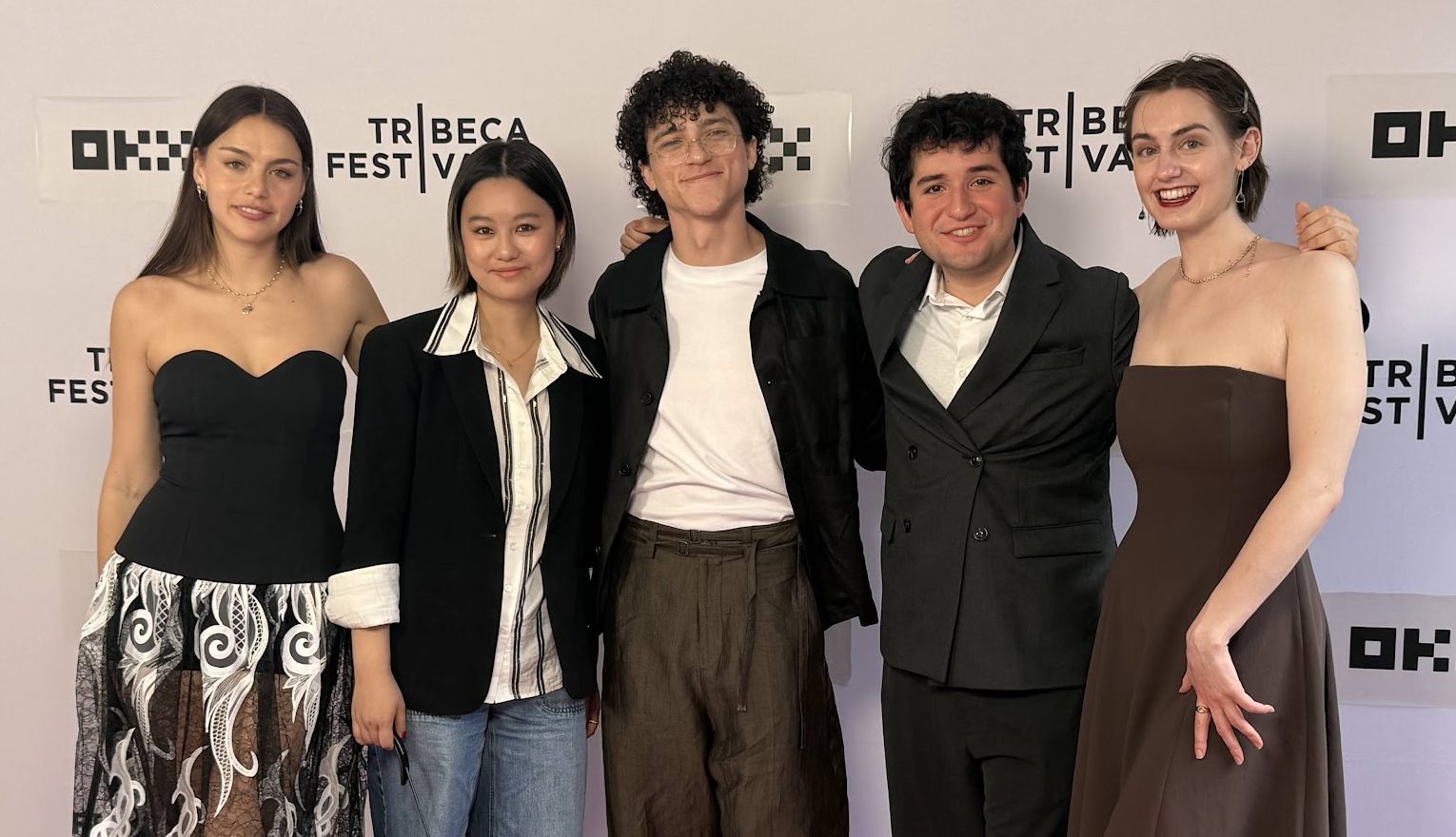
Kingston uses a narrative triptic: it combines 3 intersecting plot lines that follows a variety of characters at the fictional Ivy League-esque college of Kingston College. Three primary narratives intersect as they follow the relationships of a romantic couple, a professor and his Chinese language student, and of a first-generation philosophy student and her confrontation with the student body culture itself and the very institution as a social-construct. The writing team includes both directors and Claire Levesque and producer Jenna Shen with a story full of only-these-kids-would-know insights into the angst of the class of 2024. Standout performances from Rose Badiru, Michael C. Liu, Leann Gardner, Nick Snipes, and Carlos Key rise above caricature — there is humor and pathos in each and for a tight 96 minutes, the depth and breadth of each character is astonishing in a directorial debut.
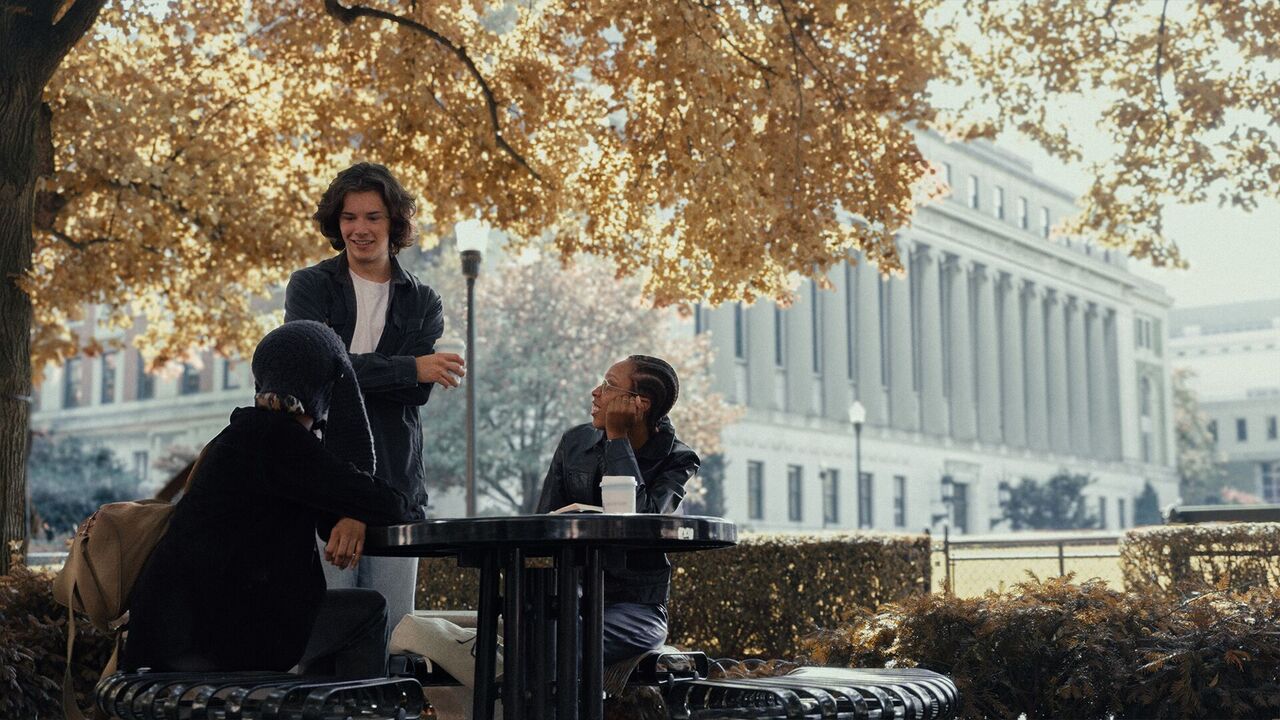
As a one-time would-be editor myself (I have spent 1000s of hours on a Media Composer and Premiere tweaking timelines!) I’m confident in pointing out the film’s masterful editing which introduces and cross-cuts among these stories while grounding them within the common struggle against the institution itself –2026 “college” in America. Laugh-out-loud comedic scenes with biting social critique are layered together with clever cross-cut images that show the careful planning and intentional visual language of the film makers. A dorm-room hookup that is getting steamy cuts to the naked torso of a quad statuette and highlights that dorm-room activities are a central learning environment for the college experience. A silent and (likely) empty-headed student in a discussion group cuts to a campus statue in the same pose that suggests the chasm between the campus’ ideals and it’s classrooms. And in the funniest and most adeptly edited sequence, girl/boy friend groups recreate the “he said, she said” scene of Grease, combining mobile dating app swipes, gen-z sexual performative anxieties, and absurd over-intellectualized economic principles of utility value and standards as concepts to apply to dating opporunity maximization (only gen-z!)–the snappy dialog, visual gags, and overlapping dialog creates a sui generis “Summer Lovin” musical number.
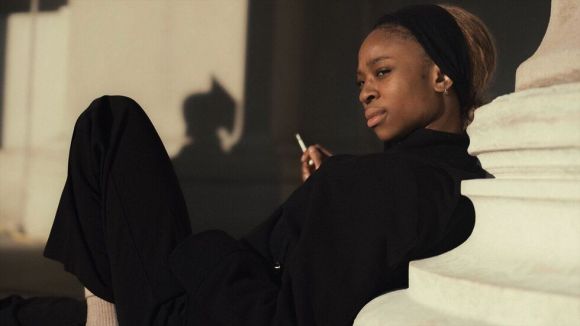
The cinematography and production design are incredible and bring to life a fully realized New York City with gorgeous indoor and exterior images and set design. A playful chat along Central Park’s lakeside beauty at sunset highlights the peak romantic connection between tentative young lovers. A billionaire’s apartment high above the city and a helicopter fly-over both overlook the metropolis as an abstract shape far below, stressing the vapid disconnection of the elite and legacy students from the street-level experience of other classmates. A key scene in a bustling manhattan restaurants represents the crushing expectations of adult normative careers that lay ahead in banking, finance, and consulting. A variety of vignettes are strikingly shot with warmth capturing student life on the metro subway, across indoor and outdoor parties, and inside the functional spaces of the college classroom and administration apparatus. I was awe struck by some of the delicate imagery and particularly the dramatic textured extreme close-ups which made me feel I was entering the emotional interior of the characters as they processed complex ripples of past traumas, the confusing present, and anxiety for uncertain futures. Expectations of mom and dad give way to expectations these characters have for themselves–mostly expressed as the terror of youth: the images made me believe that 22 is both the most exciting, and the most terrifying moment of life?
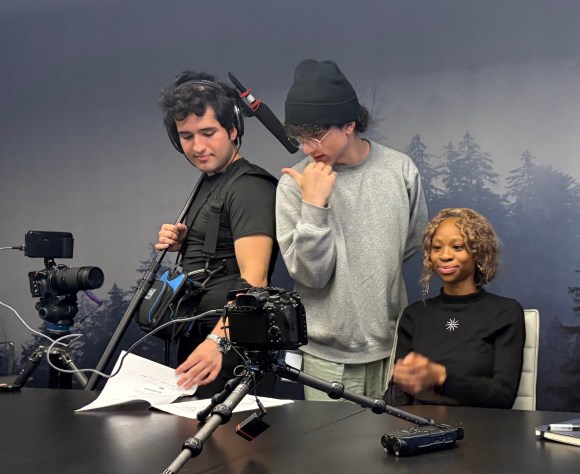
Carlos and Kalijah have made movies together since high-school and their shorts Memories of Meat and Married to the Game both previewed their technical mastery of shot coverage, image construction, and action sequence choreography and overall pacing and editing. The jump to their first feature is exponential. Along with their producer Jenna and associates Hailey Russo and Claire Levesque this is a first-time feature team tackling complex production locations, dozens of actors, and immersive complex emotional interiors of 5 primary characters along with several ensemble players. The performances are wonderful and standout Rose Badiru as Amber (capturing the most complex and diverse of Gen-Z’s perspective) is the emotional core that raises everyone in the story with her as she delivers her mesmerizing range of experiences. Michael C. Liu represents for Gen X and brings an important “adult” contrast that frames the generational bridges that are needed for healing and solutions.
It took me several viewings of this film to be able to see it outside of myself–as Carlos’ father and as a mentor on editing and film making to the production (along with my many Industrial Light and Magic alumni friends who supported the production with notes). Carlos’ character Cyrus also presented me with a challenging emotional entanglement that makes viewing a wrenching experience. The film hits hard, and on both viewings I attended I was struck by how the laughter and comedic observations of the first half of the film give way to complex charged scenes that demand attention and pathos from the audience. Wow.
And….
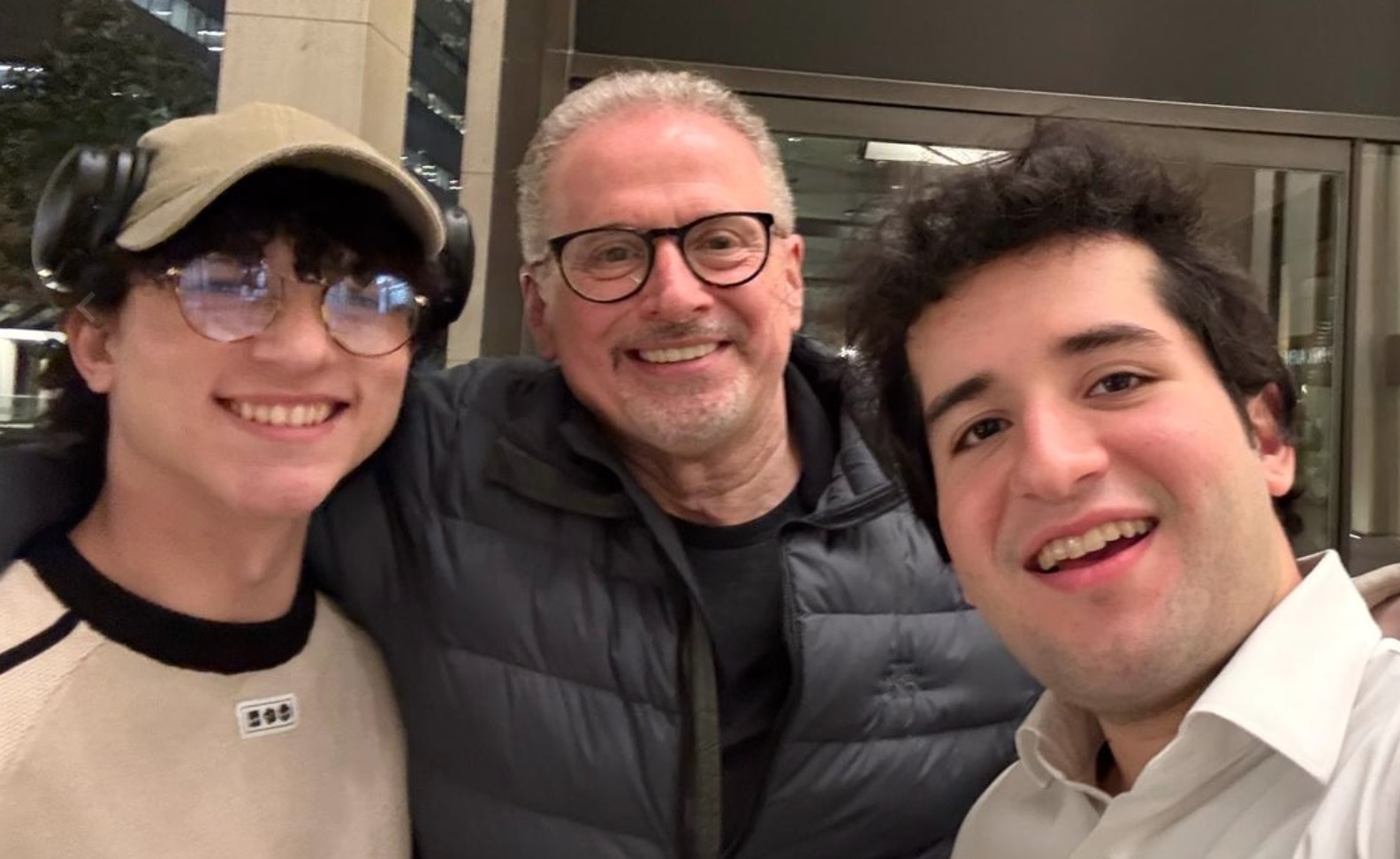
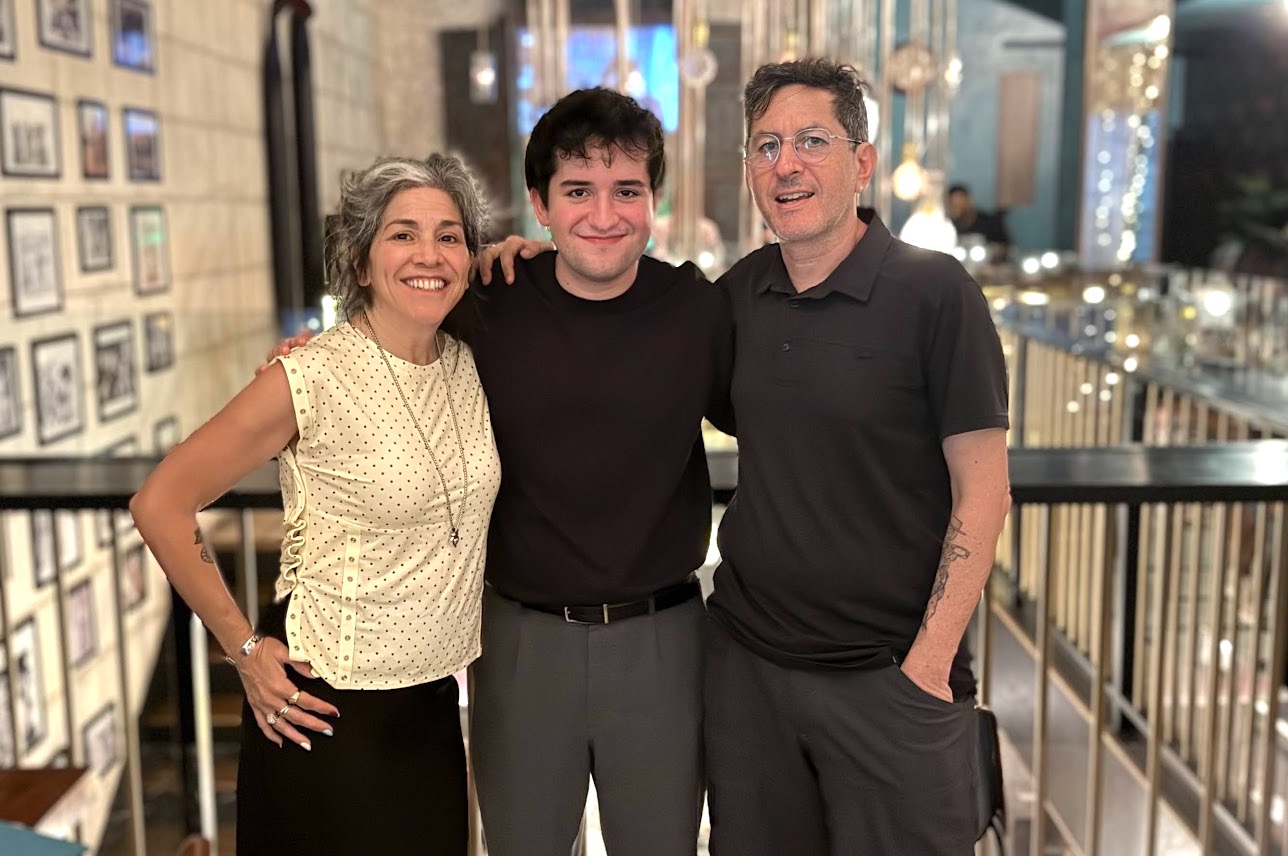
…as Carlos’ father what i’m actually most impressed by and proud of is not the technical or storytelling excellence, rather, how he has brought his own lived-experience and personal tragedy forward in his life through his expression in his art. Our family has gone through the devastating loss of our son Caetano in 2020 — for each of us individually (as mother, father, brother) this presented huge personal challenges and we had to find our own paths to healing individually and as a family. Cristina went back to grad school to become a therapist and is serving others in their emotional healing. I spent time working with children in k-12 education and found my way back into a software industry role that I find meaningful with Adobe. Carlos has taken the raw emotions of losing his brother and incorporated the love, anger, disconnection and confusion of these years — into a marvelous work of art. His performance as Cyrus who himself has experienced the loss of a brother–is a wonderful gift to all our family, and an incredible tribute to Caetano who would be so, so proud of his big brother. Bravo, Carlos. Bravo.
xx, oo


2 replies on “Kingston Movie (2026) Review”
[…] this wonderful review of Kingston Film on Black Girl Nerds. I also wrote my own Kingston movie (2026) review here with a focus on my technical observations in the cinematography, story, and […]
Congratulations to Carlos, what an achievement!