Seattle fine artist Jesse Link completed a commissioned piece for me to adorn the Pixvana office. He completed the piece and dropped by our office last week, and my colleagues and I are totally psyched.
My wife and I came across Jesse’s work in various Seattle cafes and first asked him to paint a piece for our home a few years ago. As a fan of his work, he immediately came to mind when we moved into our new Pixvana office on Stone Way in Fremont/Wallingford, and I looked around at the walls longing for some inspirational art and color to liven things up.
At work we have frequently talked about our journey and Pixvana’s mission/vision as a company focused on building a Virtual and Augmented Reality storytelling technology platform. We often use the 1933 classic film King Kong as a metaphor/framework for our own journey, because the film is (a) an absolute classic of the cinema, and (b) the movie contains a meta-story about film-making and pursuing a journey of discovery.
We named Jesse’s protagonist “Sofia” after Sofia Coppola, an inspiring film director. Our Sofia is seen packed and ready to go with her VR Camera, VR headset, and tools for her adventure into the great adventure that lays ahead.
Thank you Jesse–your art piece will be a constant companion to us on our journey in the years ahead.
Seattle fine artist Jesse Link, pictured with his piece “Sofia the VR Explorer” and team members of VR video software company Pixvana, at Pixvana office in September 2016.Sofia the VR Explorer, by Jesse Link
Too fun. So in 1999 some buddies and I put together a series of instructional video tapes (that we shipped out on VHS) called the Masters of Visual Effects series. The series had originally intended to have some true masters of visual effects, eg: Scott Squires, John Knoll, Eric Chauvin… real veteran / gurus of the industry.
Unfortunately we only got chapters 1 and 2 produced and we ran into some production $$ overruns, and long story short we never got the real masters in front of the camera. What we do have in this historical record, thanks to a remnant VHS copy that was found and digitize by my buddy Matt Silverman, is a time-capsule of vfx and post-production issues from 1999, immortalized by the presenters. I may get take-down requests from some of them so i will leave their names out of the meta-text here, and submit, humbly for your viewing pleasure.
It is interesting to me now in 2016 how many of these issues from 1999 are becoming issues again in the age of VR video production. Post-production has become relatively effortless in 2016, with basic laptops easily being able to handle UHD 4k video editing and effects. However, doing full immersive VR content requires some of the same proxy-resolution workflows that we employed in 1999 to deal with the film-video-digital steps of that era. Everything old is new again!
Masters of Visual Effects – 1.1 – Introduction
Masters of Visual Effects – 1.2 – Film as Digital Images
Masters of Visual Effects – 1.3 – Post Production Basics
Masters of Visual Effects – 1.4 – Pre-Viz and Editing
Masters of Visual Effects – 2.1 – Compositing Concepts Part 1
Masters of Visual Effects – 2.2 – Compositing Concepts Part 2
Kudos to Aaron Rhodes and Sean Safreed for the first of many Pixvana videos that outline some of the unique challenges, and solutions, to making great stories and experiences using video in Virtual Reality. This video tackles the unique challenges to working with *really* big video files, on relatively under powered devices and networks. This general approach is something that we think of as “field of view adaptive streaming”, in that unlike traditional adaptive streaming where multiple files are used on the server/cdn to make sure that at any given time, a good video stream is available to the client device… in VR we have to tackle the additional complexity of *where* a viewer is looking within that video. The notion of using “viewports” to break up the stream/video into many smaller, highly optimized for a given FOV, videos, is something we are firing away on at the office these days.
So, should we call this FOVAS for short, for Field of View Adaptive Streaming. ? It is kind of weird, but it makes a lot of sense… i’m using the term regularly, maybe it will stick!
We’re having a lot of fun at the Pixvana working on various VR storytelling technologies, what we have termed “XR Storytelling” as we are thinking broadly about both AR and VR but also xR, such as virtual reality caves, and other as yet to be conceived of immersive platforms which will require similar tools and platforms. One of the key challenges we are working on is how to deliver absolutely gorgeous/high-quality adaptive streaming 360 VR video.
Last week we combined our love for food with our love for VR, and shot a rough blocking short film that we intend to turn into a higher quality production in a few more weeks, when we can bring a higher quality camera rig into the mix. Aaron blocked out the shots while the team at Manolin, the f-ing awesome restaurant next to our office, was prepping for the day. Here is the rough cut:
Then, we threw it into our cloud elastic compute system on AWS and produced several variations as a series of “viewports” which when viewed on a VR headset like the HTC Vive (the best on the market so far) produces some pretty darn immersive/awesome video at a comfortable streaming bandwidth that can delivered on demand to both desktop and mobile VR rigs. Here’s a preview of what the cumulative render “viewports” look like in one configuration of the settings (we are working on dozens of variations using this technique, so we can optimize the quality:bandwidth bar on a per-video basis):
Looking forward to sharing more of what we are up to with the public in the near future–for now, if you are a seattle friend, stop by for a demo, and, delicious dinner at Manolin Restaurant!
Here’s some really clear images and videos that illustrate a VR Video assembly process using a 6 camera go-pro rig. This isn’t meant as a comprehensive how-to, rather, just a visual only guide that I will be using in presentations to walk folks through the process.
A lot of my friends have asked me why i’ve plunged into starting a new company, and, why / how i chose building a VR Video Platform specifically as an area for software innovation? I think i can succinctly summarize as: VR Video is *magical*, and things that are truly *magic* are f8cking cool and rarer than unicorns. I see a unique confluence in time for me, my skills, my passions, and a market need and opportunity. It’s only been about 90 days since I put on my first vintage 2015 VR headset (like many i had tried the 1990s era stuff which just made me vomit), and my Pixvana Co-Founders and I gave birth to our VR Video startup Pixvana this week.
Here’s why:
When i put on a HTC Vive headset for the first time and experienced the demos Valve has been showing in summer of 2015, i experienced a profound, complete, pervasive feeling of what I knew immediately to be what the VR industry calls “presence”. The sensation was right there with other must-try-in-a-lifetime, hard-to-describe-to-someone-who-hasn’t-done-it-yet experiences: falling-in-love, skydiving, scuba, sex, certain recreational mind-expanding drugs, finishing a marathon, watching my wife give birth to our boys… Specifically, for me, I experienced a sense of outer-body time and space travel: time stopped functioning on the normal scale of my daily routines, my body perception was replaced with something “virtual” that was not quite real but not quite fake either, and i was taken to far away imagined worlds–underwater, into robot labs and toy tables and several other places that while not photo-real in their rendering, felt and behaved in ways that were significantly real enough that it WAS REAL.
WEVR’s theBlu, often the first moment of real “presence” experienced by those that have tried the HTC Vive in 2015–it was for me!
When i took the goggles off after that first experience, it took me a good 3-5 minutes to “come back”–just like landing in Europe after a long flight and sensing the Parisian airport as different than my home city departure equivalent, coming back from the virtual world took me a moment of reflection and introspection to balance the “wait a minute, where am i now”? It made me think of existentialism and some of my favorite Jorge Luis Borges short stories–my mind immediately considered “wait, am i still in VR and i am just perceiving another layer of possible reality, waiting to take off another set of goggles within goggles?” This wasn’t a scary thought or psychotic split, rather, a marvel at the illusion that i had just witnessed, like a great card trick from a magician–only it was my own mind that had played the trick on me…
The smile on my friend Lu’s face perfectly captures her “aha moment” of first-time-presence. I’ve seen dozens of friends light up this way during their first time VR trials.
In addition to the Steam VR experience (HTC Vive is just one hardware implementation, what I was really marveling at was Valve’s SteamVR vision and software–not the hardware form factor) in the last few months I’ve tried most of the other mainstream 2016 expected delivery VR experiences: Oculus Rift, Samsung Gear, Playstation’s VR, and a variety of configurations of Google Cardboard and various phones. In terms of delivering “presence”, without a doubt the Vive is on a completely different level–i’d rate it a 10 on a scale of 1-10, the DK2 Rift and Sony VR a 5, Samsung Gear a 3, and Google Cardboard a -5 (i’ll write more in detail about Cardboard in the future–suffice to say it is antithetical to creating any sense of presence, and it does VR an injustice to have so many of them floating around out there, suggesting a inferior experience is to be expected to all the unknowing consumers who have tried it and think they have seen what is coming in VR). But these distinctions between hardware systems this early in the market is really inconsequential. I believe that just like with mobile devices or PCs, within 5 years the hardware will become pretty uniform and indistinct (is there really any difference at all between a iPhone 6 and a Samsung Galaxy 6?), and the real business and consumer differentiation will be in the software ecosystems within the app stores and developer communities that will rise, as well as in the software applications that will be fantastic but will run cross-platform on all of these devices.
Andrew in disbelief, watching a VR video that made him forget he was sitting in my living room.
So for that reason, i’m much more interested in the content and software enablement systems that need to be built to enable creators to build cool shit that will be compelling and magical for consumers. The more magic experienced, the more VR consumption and headsets will be sold, and a virtuous business cycle of new content, demand for that content, more content creators, repeat….
It is clear to me that there are two (2) canonical types of content for these devices–3d CGI environments, and video/still image photography based content. 3D CGI material is very attractive and inherently magical, as it can fully render images that track the users head movement side to side and even at “full room scale” if she walks around and freely explores the environment. A pretty mediocre piece of VR content in 3d CGI on the Vive is pretty darn amazing. A great piece of CGI VR is astoundingly cool (eg: WEVR’s theBlu Experience.
Chris Milk’s U2 VR Video is a glimpse of VR video specific semantics that are just now being worked out–both creatively and from a technology perspective.
On the other hand, even a really great VR video can be pretty darn “meh” on any of the VR headsets, and pretty darn awful and nausea producing on a bad VR headset (‘wassup Google Cardboard!). But it won’t be that way for long–this is more a reflection of the nascent state of VR video than of a fundamental problem with the medium. VR Video Content and the technology to shoot, prepare, fluff, and deliver for playback of VR video will follow a rapid improvement cycle just like other new film mediums have enjoyed. Consider:
In the late 1890s when motion pictures were being introduced, Vaudeville was the mainstream performance art form and most early cinema consisted of “filmed vaudeville”. Within 20 years, unique storytelling technology and production and editing techniques were introduced with films such as the Great Train Robbery, and various intercutting techniques between very different camera compositions (wide shots, close ups, tracking shots, etc.) started to tell stories in ways that bore no resemblance at all to vaudeville’s tropes. This transition from Vaudeville-to-cinema was ~1900-1950 phenomena which included the addition of audio in the 20s and color in the 40s and large format wide aspect ratio spectaculars like VistaVision and Cinerama in the 1950s.
1903 film The Great Train Robbery used a myriad of new techniques in composition and editing, which must have been initially disorienting in their novelty and break from more traditional Vaudeville “sitting in an audience” perspectives that viewers would have been accustomed with.
Television came next and introduced live broadcasting and recorded programs which were stored on tapes in both professional (and later) for consumer distribution on VHS/Beta. Editing was done as “tape-to-tape” transfer, cumbersome and time consuming and actually slower than just cutting film pieces together on a Moviola.
Thankfully i came into the film industry just as digital film making tools were obsoleting devices like this. I’m sure it was just a joy to handle all that film by hand and make splices with razor blades and cuts with glue and tape… NOT!
In the 1990s when i worked at Industrial Light and Magic, the first digital effects and digital post-production projects were just being introduced. When Jurassic Park was made in 1993 there were less than 30 digital effects shots with CGI creatures, but 5 years later there were films being made with 1000s of shots and some that were color graded digitally and thus 100% processed through computers. In that same timeframe non-linear editing tools like the Avid made it so much quicker and time efficient to edit, that editors started to cut films in a whole new style that was much more rapid and varied–it is incredible to watch a sampling of films from the 1985-92 period, and compare them to those from 1996-2000. My teenage sons see the earlier films as i might see a 1922 film pre-sound/color. The analog-to-digital-cinema production transition was perhaps a 1990-2009 transition that started and ended with James Cameron films (The Abyss was the start, and Avatar as the culmination in its perfection of blending digital and analog content seamlessly).
Web video infrastructure enjoyed rapid innovation and disruption, from crappy low-resolution thumbnails in 2000, to pretty darn awesome 4k with robust streaming by 2010.
In the 2000s the web was the big disruptor, and technologies like Quicktime, Flash, Silverlight, Windows Media, and the enabling web infrastructure have pushed televisions which were once broadcast reception devices, into on-demand streaming playback screens for web-content and DVR playback. My household is now dominated by Youtube (which consumes my teenagers free time at all hours of the day on their phones) and Netflix and HBO GO (which dominate my wife and my evenings). Early web-video was mostly inconceivably small and crappy looking, but by 2010 was of the highest quality and matched master recordings in resolution and fidelity.
I’ve given VR Video demos to ~70 folks so far; it has been fascinating to see and hear people’s reactions.
Which brings me to VR Video. It is clear to me that VR Video will disrupt other forms of video consumption and viewing in a similar manner, and following the trend of other media tech adoption, will do so in a much shorter time frame. There is so much to do, so much to build, so many creative problems to solve. I’ll write more about that soon–but for my friends that have asked, now you know the context for my excitement about VR Video.
Forest Key with a “VR Video is going to be frickin awesome” grin sitting on the steps of Pixvana’s new office in Fremont neighborhood of Seattle.
My Family and I just completed a marvelous 9 day expedition on the Colorado River from Lees Landing launch, down through the marvelous Grand Canyon National Park. We used Hatch as our expedition outfitter/organizer and we were absolutely thrilled with them, our crew, their end-to-end service, and of course, the amazing experience and majesty of the canyon/river. I wanted to post a few thoughts here for the benefit of others considering the trip, and, Hatch as an outfitter for your adventure on the Colorado/Grand Canyon. Hatch was FANTASTIC.
Here’s what we did:
From Las Vegas, we took a regional small plane flight from the city of Boulder to Marble Canyon (not really a town per se, more like a landing strip for the plane and next to a bridge that crosses the Grand Canyon in the “Marble Canyon” area of the park). The flight was arranged with the help of Hatch expedition folks but was a cost separate from the expedition itself. Here at the upper North-East of the Grand Canyon National Park we met our group which totaled 16 family members, some of whom took their own cars to park at this location, or, who took shuttles from Las Vegas by land. We all stayed the night before departure at the Cliff Dweller’s Lodge, a very nice little motel on the side of the road with clean updated rooms, with a nice little restaurant and supplies shop for food/water/snacks.
We awoke early and met the Hatch Expeditions team at our hotel, loaded up in a van, and 15 minutes later we were at Lee’s Ferry, the departure point for the trip (where we met our boat, boat captain, and “swamper” who would assist the boat captain–thus making our total boat party 18 folks).
We then boarded out boat and started our journey down-stream which comprised of 9 days 8 nights. The trip can be configured to be 7 days or as long as 15–in our case we were in a motorized boat (small outboard engine powered the vessel through rapids and long stretches that would require some real paddling effort), we saw other groups that were in mixed use paddle/cayak configurations… i can imagine any and all configurations to be great fun, but the motorized option was definitely optimal for our group that included children ages 10, 12, and 14, as well as several 60-70 year olds in various states of good conditioning (but not strong enough to be paddling a boat for 4-6 hours a day every day).
Each day consisted of a routine of (a) rise with the sun, (b) breakfast and break camp usually before 7:30am and on the river (c) a mixture of river rapid ridding, short stops for short walks, and longer stops for side-canyon hikes that lasted upwards of 3 hrs round trip, (d) lunch break mid day usually in a shaded river-edge spot, (e) more rapids and or hikes in the afternoon, (f) make camp landing by 4pm, set up camp, relax a bit before (g) dinner and then lights out with sunset.
All camping is on rivers edge on sandy beaches that have mix of rocks/bushes–very very comfortable camps on cots/tents as needed, but we slept outdoors with no cover all nights and enjoyed the stars. Warm temperatures in July averaged 80+ at night and 100 during the day. No mosquitoes, very pleasant lack of nuisance bugs of all kinds, with exception of red-ants that re everywhere but only bit 1 in our party 1 time…
Fantastic meals and snacks entirely organized and prepared by our captain and swamper. Our responsibilities as passengers included helping unload/load the boat, and setting up our own camp and sleeping equipment. We participated as a group in helping with cleaning post-meals, but largely were taken care of by the crew (i don’t know how they did all that cooking–but they did). Meals were *VERY* good and complete with mixed preparation, sauces, sides, etc…. we were NOT wanting of food comforts, ever!
End of trip involved being picked up in a helicopter and flown out in groups of 6 to Bar10 Ranch, from where we had our first showers in 10 days, before boarding a small plane and being returned to Las Vegas area (this flight is included in the expedition fees from Hatch).
In summary–absolutely great experience for all in our group, it truly is a once in a lifetime, one place in the world kind of experience. Where else can you travel 180+ miles through a national park, take in the absolute majesty of millions of years of natural geology, and never see any cars/villages/cell-phones, etc.? I now understand why this trip is on so many people’s lifetime “bucket lists”… surprisingly, it wasn’t on my list before taking the trip, but upon returning, i would highly recommend to anyone who enjoys nature. Hatch was a wonderful outfitter and I will strongly recommend to my friends who consider the same trip–their attention to customers, professionalism, great equipment, and real meaningful multi-generational commitment to the park and river guiding (grandpa Hatch started the company in the 1950s) is evident in the excellent service they deliver.
I changed the kidney grill “bib” from the factory chrome to a matching black; this is apparently pretty common cosmetic upgrade/change, and it was ultimately pretty easy to do–however, i found the online documentation/help to be a bit confusing so I thought I’d pass my learnings forward herein for others, feel free to post a question if I can help you out with more details.
First, I bought from IND who were very good with customer service, prompt on delivery, and super knowledgeable when i called a few times with questions before and after purchase. Highly recommend. Here’s the F80 Front Grill Surround part that i ordered.
Here’s what the part looks like:
IND provides a DIY video tutorial which is generally correct, but, it was not sufficient for me to succeed with the installation. Here’s the video:
And here’s what was wrong / additional information needed to be successful:
In addition to a Torx 27 tool to remove 6 screws that hold the top of the bumper to the frame (which need to be removed in order to lift the bumper forward to gain access with your hands to the rear where 8 separate tabs snap the plastic of the cover to tabs on the bumper), there are 2 ADDITIONAL screws that require a Torx 25 screw driver. It may be possible to complete the project without pulling these additional Torx 25 screws, but I would not recommend as it would put needless pressure on the plastic bumper element. See photo for location:
With all screws removed, the next step is correct in the IND video, but grossly oversimplified. it is VERY tricky to find and remove the 8 individual snap/pressure points to get the original grill off the bumper. After 20 minutes of fidgeting and trying to figure out what to do, i found this very helpful and more accurate video illustration that correctly captures the effort and steps needed:
Despite being much harder/trickier then the IND video made the project look, it is actually only a 10 minute project and very DIY… just a little tighter space to work with and some small hands come in handy given the tight spaces.
I love the result and i think it is a great cost/benefit upgrade, much better looking!
Here’s some additional photos in the process which i wish I had as reference, hope they help you out:
In photo above: try to get one grill off first by starting with top 3 fasteners, then either the left/right one which allows to start to pull out of frame (as seen in picture, where top 3 and left 1 (so 4 of the 8) have been unfastened), with the right 1 and the bottom 3 still to go. Once all 8 of them are unsnapped, the piece just pops out. And THEN, the other grill is easy, as you can now stick your hand through the empty space you created, making for a much faster remove of the 8 snaps. It took me 10 minutes to do the left grill, and less than 1 minute to repeat for right side.
Photo below: shows both grills removed. Inserting the new grills is a simple push/snap gesture, takes 2 seconds each. So all the work is in getting the existing grills to pop-off!
I sold my Apple Watch after 1 week of use, here’s why!
After a sordid 1 week fling with the Apple Watch, i decided this AM that I had had enough and i posted it for sale on my internal company bulletin board. I hope to unload it quickly to a lucky colleague so that she/he can have at least a week of fun, if not a lifetime!
Here’s my experience with the Apple Watch, starting with the many cons/problems that led me to such a rapid falling out of interest for what otherwise should have been an exciting new product for a ultra geek early adopter like me! :
Another device that needs to be charged every night and that with any kind of active use during the day, runs out of battery before dinner time (and thus creates more battery anxiety that governs the use of the device during the day!)
Another USB cable to take on business trips or vacations, with a completely proprietary charging end which thus requires that this cable be taken anywhere if the watch is going to be used for more than 1 day!
I’m not a watch guy to begin with–haven’t worn a watch for 10+ years, and only started to have a time-piece on my wrist in the last year because of my interest in activity trackers (i’ve owned 3 to date, and found myself liking having the time on my wrist again and not needing to reach for my phone to get the time throughout the day). But the Nike Fuel Band, FitBit v1, and FitBit Surge (the 3 trackers i’ve owned) are all much better casual time-checking tools as they are smaller/lighter and or can be charged 1x per 7 days. This is a huge tradeoff for me–i can take a business trip and not need another cable, and, they use a standard cable that works with other things besides themselves.
The daily activity app is lame. I like the visualization with the cool colors and wheels, but am totally disinterested in tracking “minutes of activity”, “number of hours in the day where you stood for at least 1 minute”, and “calories”. I’m much more interested in tracking miles walked/traveled, stairs climbed, points against an index of activity (such as fitbit steps or nike fuel), etc. type metrics
The exercise tracking app is lame. I’ve had a lot of experience with FitBit and Strava apps as well as MapMyRun. All much better than the app on the watch which does not integrate with any gps/map functionality despite its dependency on the phone? Or if it does, after 1 week of use I couldn’t figure out how to do that, which means it is an impossibly confusing and hard to use device which is just as bad! The heartbeat tracking on the watch is very intermittent (not continuos throughout the day, like the FitbitSurge), which makes it just a “approximate” tracker of heartrate at best, and at worst a waste of battery since it read my heart rate at 180 beats per minute for a contiguous 30 minutes today on a run (which is at least 10% too high as that rate of beats would have killed me!)–i sense the heart rate reader is just crap bad (maybe they can fix with a future software update).
The UI for finding and loading apps is lame. It has a dedicated button to get to “friends” screen, which in 1 week i didn’t use once. When i want to IM or call a friend I reach for my phone. However, when I want to use the various apps on the Watch (which I did often) such as the exercise, music play controller, Strava app, stock picker, settings menu, New York Times reader, etc. you enter into wacky land of hunting and pecking with tiny screen real-estate and the scrollable nob. I found that by the time i found the app and got it to load (very slow to load apps, eg: 3-5 seconds per app) i could have much more quickly reached to my pocket and pulled out phone and gotten to the information/app i wanted.
The actual “killer apps” for me on the Apple Watch turned out to be…. none. there is nothing that i found myself using the watch for that was actually useful, or fun, or exciting, or … anything other than “meh!”. That coupled with the hassle of taking it off to shower (it is not water proof), taking it off to charge each night, and having to look at yet another cable to drag with me everywhere I go so it can be charged… wow, really underwhelmed.
Just to state some positives for fun, and to practice being a positive person:
Its cool how it lights up the screen when it senses i’ve raised my wrist or otherwise gestured with the intent of looking at the screen. it works most of the time–only a few times did I find myself having to tell it to turn on by touching the face
several nifty/cool UI concepts at play that with iteration could really be fun/work.
lots of support from 3rd party apps–good for apple to being such a powerhouse monopoly with the attention of phone app developers… there were almost TOO many applications, i found myself almost wishing there were fewer so i could focus on a few great ones (most of them are not that interesting)
the band fits really nicely, doesn’t chafe, and snaps on/off easily but securely.
The dictation voice-to-text is good, you could use to send text messages to friends without pulling your phone out of your pocket (if you aren’t a total Dick Tracy want to be dweeb!)
The talking to the thing as a microphone/speaker to answer a call works if you are Dick Tracy and don’t mind being a dweeb!
So i’m going to go back to my FitBit Surge–charges 1x a week, tells the time, is a better health tracker for both casual activity (walking around) and exercise (has GPS and more accurate distance and performance tracking, and a great community of friends that use fitbit, and integration with Strava which I use for more serious training for marathons and such). Here’s a photo of the surge next to my apple watch on its last day of use (when i wore them both to compare the data they generated).
I actually am not sure who the Apple Watch is for other than people that really like watches? If the battery life approached 5-7 days on 1 charge, it was 50% thinner, and the physical buttons or other macro gestures could be linked to the 3-4 apps I actually care about (so it was faster to get it to load the info/app that I want when i want to use it), i would give it another try. Otherwise, this is the first apple product in 15 years or so that I wish I hadn’t bought (last time that happened was… wait, that has never happened!?)
God forbid anyone would buy a product like this and pay $10k+ for the Gold Edition. I can’t think of a less practical way to spend that kind of money–the shelf life on this thing, at very best, will be 1 year. Apple desperately needs to make a v2 of this product that overcomes the many, many, many v1 deficiencies that I think make this a product strictly for super-fan-boys and or fetishist of watches.
Update: after a day on my company bulletin board i had no offers–i guess the demand amongst my peers is zero? So i ran it over to the Apple store and was given a full refund, no questions asked–A+ customer service Apple, once again.
I’m training for the Copenhagen Marathon in May of this year (2015), and have been using Strava and a new Fitbit Surge device to track my runs. Unfortunately the two systems are not compatible (update May 2015–they are now compatible, details towards end of this post), and I can’t use the heart-rate readings from the Fitbit Surge as health data inside the surge app. I just completed a 15m training run and I thought I would post the side by side data that the two apps gathered in hopes this might be of use to other runners considering using either of these two systems.
Some immediate observations about the differences in the data that was gathered:
The GPS tracking of the Strava, which is running on my iPhone 6, is much more accurate than the location readings on the Fitbit Surge. The Strava/iPhone readings are really precise and show small variations in my 4 laps around the lake. The Fitbit Surge GPS is almost comically “loose”, suggesting a meandering variation on each lap, sometimes straying into the lake itself or across non-existent streets.
The splits/pace information is pretty consistent. I tried to start both devices tracking at the same time, but the differences in the splits and the total distance and time of the run may be as a result of slight differences in start time, and, when I paused for a 40 second water break mid-way i manually paused the fitbit clock, but the Strava was on auto-pause and may have taken a different sense of that timeframe. That would account for the 2:05:08 (fitbit) v 2:05:34 (strava).
No idea how to rationalize the 15.01m Fitbit distance vrs. the 15.3m for Strava, which results in the pace discrepancy: Ftibit says i had a 8:20 overall pace, Strava 8:13 pace.
My sincere desire is that Strava and Fitbit will get their systems connected, not sure who has the burden to do what work, but certainly can’t be very far from core to their missions to support as many devices/APIs as possible in this connected health tracking wearable category? Strava is focussed on community, Fitbit on devices–let’s go guys!
Later update (March 10 2015): I’ve continued to run 4-5 times per week using both Fitbit Surge and Strava and can add some new data:
The Fitbit Surge is VERY inaccurate in terms of distance travelled on a run, whether that be a 3 mile or a 21 mile course, on road/path or on a treadmill. I’ve seen a consistent 15-20% under-report of distance run in both free-run (GPS tracking on) mode and “treadmill” run mode. In Treadmill mode the distance travelled is under-reported almost comically–the device is just pretty much worthless in accuracy on a treadmill. I would think that the device’s software could compare my GPS enabled and not-enabled runs and correct itself to a better estimate of my gait/pace based on the other data its sensors are gathering. Alas, the software is clearly NOT doing that kind of comparison of the data and optimization to individual user performance.
The Fitbit Surge is VERY inaccurate in terms of geo-location in GPS mode, and as a result, the pace readings during a run are absurd as well. While running at a 8:15 minutes per mile pace the surge will report anything in a range of 7:45 to 9:30–ostensibly because it has no idea where i am physically on a map. The readings that come back from my runs are hilarious–showing me running through buildings, into lakes, etc.–yes, it is approximately correct, but nowhere near accurate enough to track distance and therefore useless for pace and overall splits.
While i have no second heart rate monitor tool to compare the readings to, i’m also confident that the hear rate readings are wildly inaccurate, as during a long run where i’m in a steady state zone of pace/energy/effort, the heart rate readings will ramp up and down by 10% range which is attributable to inaccuracy of the device’s readings, not variations in my heart rate load.
Here is a recent run that Strava reported as 21.1 miles, side by side with Fitbit. Notice the accuracy of tracking on Fitbit Surge leaves much to be desired–which makes the device pretty useless as a serious fitness device:
Give my first 2 months of experience with the Fitbit Surge, i would not recommend as a health tracker–way too inaccurate. I’m actually now very curious about the Apple Watch which is shipping soon, given that it will rely on the phone for measurements which i’ve found to be much more accurate (via Strava).
Update May 2015. So a few things happened next for me. On a 15 mile run i tripped and fell face first into a ditch. At the time i had enough natural endorphins pulsing through my body that I just got up and kept running–but within 24hrs i was in incredible pain along my left rib-cage. For next 5 weeks I have been laid up and haven’t been able to run, alas, the travails of training for marathons (this seems to happen to me 50% of the time I train). So i missed my marathons (i had rescheduled my target run to the San Luis Obispo race, since I was ready for a earlier race than the originally planned Coppenhagen). At this point, i’ll be re-starting my training for a late summer date tbd.
But, in that timeframe a lot has happened:
Fitbit released a patch to firmware that some have asked/suggested might improve accuracy. I have yet to try (will update once I do).
Fitbit got their act together and there is now compatibility with Strava, http://strava.fitbit.com, which seems to push performance data back and forth between the two systems. Yay for fitbit. I’m going to try soon, have linked my accounts but am not yet pushing real miles through the system so need to get my runs up to 5+ miles for the data to be interesting.
i got an Apple Watch, and have started using it as yet another ecosystem of data and sensors.
So, here’s my first impressions of the Apple Watch as a fitness and performance sports tracker:
I miss my Fitbit. Apple’s passive tracking focusses on 3 key performance indicators (KPIs)–how often you stand for 1 minute in an hour of each of 12 hours of a day, how many minutes of “activity” you have in a day, and how many calories you burn in a day. I miss the Fitbit Surge’s focus on steps and distance and stairs/steps, which felt more accurate and meaningful to my daily “activity” goals. The Apple Watch notion of standing for 1 minute of each hour leads to several little notifications throughout the day while i’m at work at the end of a 60 minute meeting that has run over a few minutes… when suddenly not only I, but the other geeks in the room with a new Apple Watch, all get this little buzz on their wrists. I feel like a lemming! The little concentric circles in the UI of the watch, each representing one of the 3 KPIs, is *very* cool visualization, but the KPIs that are being tracked are not for me!
As a distance/performance tracker, i’ve had limited experience but the Apple Watch application with the green circle and a figure running, which offers tracking for various walk, run, swim, row, pedal type sport workouts, is really pretty lame. It allows distance, calorie, or time targets or Open setting to just track–but it doesn’t track GPS activity on the watch or give splits or any other serious feedback on performance. I think apple will add more integration of this data in the future, or build a companion app for the iPhone… but for now, this is pretty much useless.
Strava does have a nice handy companion app so that you can start/stop and get other workout data from the watch, while the phone in your pocket running Strava does the real work. This seems likely to be my continued preference, and also gives me a remote on the watch face to control the playback of my iPhone spotify account (which i couldn’t do before without taking the phone out of my fanny pack on long runs). So i thin the Apple Watch is going to be a great REMOTE to control my iPhone, but not a self-contained tracker to replace a wrist worn GPS tracker or activity tracker of any kind. Weird, yet another thing to put on my wrist/pocket while i run which also does NOT actually do all the things I want!
Ok so here we go, 4m run using all three: fitbit surge and Apple Watch on my wrist, Strava running on iOS on my iPhone 6 in my fanny pack:
Apple Watch exercise app says I ran 3.83m, 32:54 time, 288 calories (active), 61 cal (resting–no idea what that is because I was running the entire time, must be part of run where my heart rate was in a lower range, nay, incorrectly reading as low as I was running fast first mile), 349 total calories, 8:34 pace, average heart rate 175bpm (yikes, i’d be dead if that was true–i’m 44 years old). Pretty poor and inaccurate data.
Fitbit Surge says i ran 4.00 miles, 32:38 time, 8:09 pace, calories burned 474, and average heard rate 160 bpm and of the 33 minutes heard rate was in “peak” range 30 minutes, cardio range 2 minutes, fat burn 1 minute (seems like much much better heart rate readings than the apple watch.
Strava says i ran 4.00 miles, 32:40 time, 8:01 pace, burned 686 calories. Not sure how I get the strava/fitbit data to sync, i don’t see the fitbit heartrate data in the strava app… nor did either app post to the other in any other way that I can see. Hmm…
So, 3 pretty messy and different reports. The time differences have to do with me not being able to exactly start and stop them all at once as I had to fiddle with each device. I like the mileage reading from strava+fitbit now showing exactly same figure, which i know from measuring on google-maps to be accurate! that’s an improvement on the fitbit surge with the new firmware (it has never previously reported this run as 4.00m). Here’s the mapping data from fitbit and stava side by side, which looks much better than previous runs (i would still like to test on a longer run and with more varied route, but this does look like it has been fixed by the firmware update last month to fitbit surge!)
In figure above the Strava track is on the left, Fitbit on the right. I can definitely see huge improvements in accuracy and much more frequent samples in the Fitbit Surge data, which actually caught a few subtle route details that were missed by the Strava plot. This is a huge improvement.
Based on this run’s data, if Fitbit and Surge data integration is actually working (still tbd how to make that work) i think i might sell the apple watch to a colleague at work who wants it, and go back to using the combination of fitbit and strava. The apple watch is a turkey–too little battery life (1 day), not enough useful functions, and crappy sports tracker.
I lived in Spain during a study abroad year in college back in early 1990s, and have returned several times since for business and pleasure. I’ve found myself writing up some of my recommendations for “what should i do if I visit Madrid” for many friends, and after completing this recent email (below) i figured i’d throw it on my blog as I’ve noticed that my “Things to do if you visit Chile” blog post has gotten quite a few visitors in the last year and has been nominally useful to others. So in that spirit, here are my recommendations for things not to miss in Madrid and immediate vicinity (eg: within 90 minute train ride). Note that this was written for a friend of mine from China, so i was stressing cultural elements that she would find particularly interesting!
These are the “towns near madrid to get out of the city to see some smaller towns:
Toledo: small cute town with lots of nice walking things to see, museums, churches, and need small streets on a hill. Town with lots of history. it is 40 minute train ride SOUTH of Madrid. Plan a day trip there and back with a nice lunch. You may want to join a tour with a chinese speaking guide? it is easy to just go on your own, but, you might enjoy a guide as there is a lot of history?
Salamanca and Segovia. Salamanca is a bigger small city about 90 minutes North-West from Madrid which is really great and has a lot to see, it is also a nice drive to get there. on the way there right on the freeway is Segovia, lovely small town. Both are worth seeing, you can do them together in 1 long day eg: start early, drive in car or train, to Salamanca–walk salamanca and see the Plaza (central square), the Catedral (church), and the university campus (very old university, where Chrisopher Columbus did some planning to go to america). Then, go back to madrid via Segovia, have a lunch in Segovia (lunch inSpain is between 2pm and 4pm, so you could have lunch at 3pm at a nice restaurant) then walk Segovia–Roman ruins from an Aqueduct that is 2000 years old, and great little small town with lovely streets). This is a BIG day, but it can be done. Other option is to break this up into 2 trips. Both are worth seeing. If you only have time to do 1 of these, Segovia is closer and thus easier so do that. Salamanca is really neet, but maybe too far. I did in car and really liked the drive, but you may find that stressful? I don’t know? Trains are very good in spain so that’s always a easier way!
In Madrid be sure to see:
Go to a Flamenco Show. Usually they start at 12am or even 1am (very late). There is a great place called Cafe Chinitas that i have always liked. you buy tickets/reservation, then go and have drinks and watch dancing and singing. MUST DO, super cool, very very unique/different style of music. All of these are good places: http://www.tripadvisor.com/Travel-g187514-c84779/Madrid:Spain:Flamenco.Guide.Madrid.html
If there are any Bull Fights in season i would go, very interesting and old fashioned–sad to see bulls killed, but i recommend. I don’t think they have them in January, however, here is the bull ring website just in case: http://www.las-ventas.com/
If you can, go see a professional soccer match for Real Madrid or Atletico Madrid—spanish LOVE soccer, amazing experience. You can find tickets always, might be expensive, but seeing Real Madrid play (one of best teams in the world) is a real experience!
Then there are the traditional tourist sights:
Plaza Mayor & Puerta del Sol walking area (public squares)
Jardin del Buen Retiro (big park, go in daytime, at night not so safe, daytime no problem)
El Prado (huge museum full of amazing OLD art collections, get a guide of some sort or recording in chinese, without a guide it is pointless as there is too much to see!)
The Palace (king and queens) where there is a lot of stuff to see
dozens of other museums…
and dozens of fun neighborhoods to just walk around in and look at people and windows of stores etc. your hotel can help you with that…
Food (lunch is 2-4pm, dinner is 10-12pm–they really really really do eat at that time, you won’t find the best restaurants open before then! make reservations for the popular places!)
Must try = Botin. A bit touristy, but really good and REALLY old, in continuous service since 1700s. eat the suckling pig and the lamb, both are incredible! http://www.botin.es/?q=en It is near the Plaza Mayor so nice walking area.
Go to dinner one night on Calle Huertas (that means “Huertas Street”), it is a street filled with neat restaurants and bars that you can walk up and down in about 40 minutes round trip. Lots of people out and about walking in this area at night, fun to people watch. Plaza Santa Ana is a nice square surrounded by restaurants right by this street, so maybe walk the street, then eat at the restaurants on the Plaza.
“Tapas” is a style of food where you stand at a bar (usually, although you can also have them at a table) and order small plates of different types that they will give you while you have a small beer. you can go to a bar, have a small beer and a “tapas”, then go to another bar and do the same, and in this way walk between many bars/restaurants eating “tapas” along the way. it is a style of “moving restaurant experience”. very fun. You can go to many neighborhoods where there are lots of “tapas” bars near each other. There are also some new “markets” that have nice organic produce and lots of little stands for tapas”–one such market is this one: Mercado de San Miguel Pza. San Miguel, S/N 28013 Madrid, Spain Be sure to try: Tortilla Espanola (eggs and potato pie), Jamon Serrano (spanish cured ham), Queso Manchego (spanish cheese that is amazing), Gambas al Ajilo (shrimp in garlic), and anything else you see that looks tasty!
I’m incredibly proud and happy to have won the Geekwire Awards Perk of the Year 2014 for buuteeq’s employee travel stipend program, “Trotamundo”. I started buuteeq because of my deep passion for travel and seeing the world. We created the Trotamundo program because we wanted our company culture to embrace and amplify the experience of travel. Travel exposes us to diversity of human experience, inspires us, and ultimately transforms our world view in a way that also makes our company stronger and more nimble in our quest to revolutionize the hotel industry.
I spoke at a Small Talks event last week on the subject of Millennials in the Workplace (millennial are the generation born in the 80s and early 90s, that came after my generation “gen x”). buuteeq has a lot of team members from this age group/generation. A few multimedia and related pieces from the event:
Video of the event:
Thanks to Turnstone for putting together the event and providing snacky snacks!
A cool infographic that someone made that listened/watched the event over the web, love how they captured so much of the content in this graphical/summary form:
And, when i got home that evening and was doing some googling on the subject, I came across this hillarious (if snarky/harsh) summary that makes for a great comedy piece and interesting adjunct (i do not endorse or subscribe, necessarily, to the position it takes–but it did make me laugh!). Why Generation Why Yuppies are Unhappy
My company buuteeq has grown to over 110 employees in 5 offices around the world, so a huge component of my time/role as ceo has been focused on “culture”–how do we create a consistent best-practice culture in multiple offices (while growing rapidly), how do we gather feedback and input from everyone on the team, and how do we communicate and implement changes based on the feedback we receive…
We’ve been using an amazing tool called TinyPulse for over a year now, and while it is not the only mechanism to manage the “pulse” of our culture (a lot of 1:1 coffees at TopPot Donuts down the street is part of my weekly routine to spend quality time focused on listening and responding to team member questions in person), TinyPulse is the systematic breadth process by which we receive regular employee feedback and drive a “virtuous cycle” that repeats itself regularly. TinyPulse asks a weekly question by email (automatically), gathers the feedback anonymously (usually between 50-80% of employees respond on any given week), and presents dashboards that I and our VP of Talent review periodically throughout the week as data is being gathered.
Each week’s question generates a summary of yes/no, 1-10 scale, or open response questions, AND a subjective detail commentary (if respondent provides) which I can then respond to via a private message while maintaining anonymity. This leads to very different feedback loops than what we hear in person or over email.
I thought it would be valuable, and transparent (one on my most cherished values!), to share some of the data we’ve gathered in the last 6 months. This data represents “feedback”, not judgement, so there is absolutely no shame in sharing what at times looks like mediocre scores/responses. I’ve written a brief summary of “what we took from the feedback” and “what we did to respond” to illustrate how the data drove our management team behavior.
Takeaway: we can do better! Some of the atomic comments suggested some of the managers were sensitive to receiving constructive feedback; we had a discussion with all managers about best practices and how to engage in discussions that would surface constructive feedback from their team.
Takeaway:Totally unacceptably low! Even though the “benchmark” (53%) (what other companies that use TinyPulse received on average response) was even farther below our score (71%), we aspire to more transparency in this (and most) areas. As we dug through the data we realized we hadn’t developed “career stage models” and communicated those to team members. As a young company we had done a good job recruiting people to join the team but hadn’t yet matured into providing a roadmap for careers. This was really great feedback it led to a kick-off of many projects which we are now rolling out (took about 3 months to put in place).
Takeaway:The comments were valuable as they pointed to specific growth opportunities that were being recognized, and others that were being asked to be opportunities.
Takeaway: This question felt like a reflection on how well we were sharing the TinyPulse data itself! When we first started using TinyPulse we would share the feedback each week and discuss comments and then open for public discussion during our weekly friday wrap meeting (held 4-5pm to end the week). This made the visibility of the feedback 100% transparent. We gradually started to do the open discussions less frequently and moved the sharing of the data to our Google+ community and email threads, which i sense was less visible. There are 2 key elements to the feedback loop, (1) to share what is being said so everyone has visibility into how their feedback compares to that of the broader team, and (2) for everyone to see what is done in response to the feedback. This creates a “feedback tax” that I think would scare off a lot of management teams, but i really want to rise to the challenge, even as the data grows in volume and complexity. Blogging about the data here is in part motivated by this very feedback–trying to find multiple ways to drive the transparency!
Takeaway: We’re doing pretty well, but there’s always room for improvement. We used the opportunity to revisit all of our benefits and our VP of HR gave examples of comparable benefits of companies in our industry/size/market, so really we “re-pitched” ourselves in hopes of getting more visibility to just how good our benefits actually are!
Takeaway: This is a perpetual rich channel of feedback, eg: the TinyPulse gathers lots of insights from the teams about office furniture, seating configurations, meals that we bring in for catered lunches, the kitchen/snacks, morale events, etc. etc. So rather than look at the score here, the really interesting takeaways are the comments that highlight what is top of mind “next on the list” of things to work on to make the office environment better.
Takeaway: Sometimes you just have to declare victory. This is one of those. It turns out that on just about any “scale of 1-10” survey, the results tend to come in at an average of about 8.x. We talked with the team about the different perspectives of “what does a 8 mean”, and in many cases 8 is “excellent” and in others “10” is the equivalent. So when the team as a whole is coming in at 8.5, we felt that this is an area we were performing ahead of the curve. Again, not declaring victory outright, but since we are getting this type of feedback WEEKLY, sometimes the pulse feedback insights less urgency/reaction from the management team.
Takeaway: Great reflection of our core value of “never stop growing”, always want to see team members thinking of ways they can do better, and the comments overwhelming reflected specific areas for personal growth.
Takeaway: Similar to the feedback about work environment, this question had very specific recommendations for different processes, training, tools, etc.–super actionable.
Takeaway: Probably the most important feedback of all–this is exactly the entire point of using TinyPulse, to drive transparency, virtuous feedback loop, and to establish a really great culture in close collaboration across the team. Thankfully, this score (8.7) is the highest score we’ve ever received in the tool. Lots more work to do on all these subjects every day of the week for years to come… Several more examples below, i’m out of gas to comment on them atomically, but the graphics speak for themselves and i’m happy to answer any questions in the comments or at my email, twitter, facebook, linkedin, or google + pages!
I get a lot of requests from friends about travel to Chile (for leisure/vacation, usually with family including kids), so i figured it was time to put my thoughts into a blog entry that I can repurpose, so here you go.
First some context: I lived in Chile from the age of 6-11 in the lovely Pinochet military dictatorship era (late 70s-early 80s, several years in Zapallar on the coast, and the others in Santiago the capital), the again after college for a year in 1994 (in Santiago, working as a film editor for commercial television), and most recently in 2010 for a year while i was planning my new business and my family and I divided time between the “small-north” region near La Serena, and yet more time in the smoggy confines of the capital. In addition to these stints homesteading, i’ve also backpacked and otherwise visited the country another half-dozen times… so from a toursim and/or expat perspective, i feel like i have the place dialed in and can make some strong recommendations.
So, with a focus on tourism (not expat relocation, which will be another blog post if I have enough people asking me about living in chile, schools, immigration process, taxes, banking, etc.), here’s my top 3 guidelines:
Skip Santiago. My friends in Santiago will be upset with me for saying this, but i’m sorry–the truth is that Santiago has *absolutely* nothing going on from a tourism perspective. You’ll be flying in and out of Santiago for your international flights, but otherwise SKIP IT. The city is not distinct enough in any way that would warrant precious days that you could spend in the much more interesting other parts of the country. Someone will tell you “oh, it is worth at least x days”, where x is exactly x days too many. Seriously–SKIP IT.
Plan 2-3 “segments” connected by flights. The country is MASSIVELY long and the north/south orientation means that the areas to visit are hugely distinct from a natural flor and fauna perspective, so avoid your intention to “rent a car and drive” as the north-south drive would eat up 4 days of your trip! There are 5 distinct areas of tourism attraction (see below)–pick 2-3 and spend quality time in these with regional driving in each, but don’t try to connect the dots by land. If you buy your domestic segments along with your international ticket, on LAN (soon to be renamed LATAM) airlines (the Chilean carrier) the cost of the segments is very reasonable.
Focus your goals around “natural wonders” as opposed to “culture and civic/city life”–Chile kicks ass as a low population density, magical geography that is accessible, safe, and fun. It underperforms tragically vrs. its peer group of Peru, Ecuador, and Brazil in terms of local food, indigenous culture, indigenous architecture, food, music, and “exoticism” for a typical well traveled american or european visitor. And Argentina is a much better exemplar of “europe in southern hemisphere”. My friends from Asia will find it fascinating, as it is very “european” and that will seem fresh and interesting. But it will absolutely disappoint any “westerner” looking for something exciting “south of the border”… for that, go to Peru (my favorite country in South America, with the best food, home to the Inca civilization and its myriad of incredible ruins/art/etc., magical music, and incredibly colonial area cities, not to mention glorious mountains, coastline, and the birthplace of the Amazon. Not to mention Brazil, which is marvelous for entirely different reasons.
Ok. So now let me characterize the “regions” to choose from, i’ll outline them from North to South:
The Atacama desert and Altiplano (high altitude plain). This area can refer to a massive 1k+ mile region north of La Serena reaching to Peru border, but from a tourism development perspective, it really means flying into the city of Calama and then planting yourself in the area around San Pedro de Atacama as a home base and exploring the high plain. Volcanoes dot the landscape, you are at 8-14k feet above sea-level the entire time, the star-gazing in the evenings are best in the world (no precipitation, low light contamination from urban areas, no smog, etc.). I visited this area on the Bolivian side of the border on a $10 a day budget in 1993, today San Pedro is bustling (i’m told, have never been) and hotels can run up to $1k per night for a room at a luxury resort that includes meals and tours, but a wide gamut of options are available. buuteeq’s first customer in the town is considered among the best in the country, lovely luxury resort Tierra Atacama. The city of Calama also has tours of the Chuquicamata mine, the largest open pit on the planet, worth checking out on day in/out of Calama, but otherwise spend the time up in San Pedro. This is what any guidebook would tell you to do, so to qualify this and make it a bit more local–let me add that ANY of the cities in the northern part of Chile will give you a feel for this desert vibe–super low population density (there are hours upon hours of driving where you won’t see anyone!). I lived in the Pisco Elqui region near La Serena, much less developed for international premium tourists, and plenty exciting and interesting including the added benefit of having some wineries and distilleries for Pisco (a brandy, national drink). If you want to fly in/out of La Serena and do a few days in La Serena (beach town, lovely coast) there is a hub of neat activities including a marine sanctuary where you can see all kinds of awesome penguins, sea-lions, dolphins, etc. about 90 minutes north of La Serena, observatories for sky-gazing, and the cool-as-shit little down of Pisco Elqui as a home base with funky/hippy vibe. We lived here for 4 months at this little hotel, El Elquimista. La Serena can be reached in 5-6 hours by great 4 lane highway, so this is also a doable road trip from Santiago, if going all the way to the true North is too much, but I don’t think anyone would argue that La Serena is a full replacement for the San Pedro de Atacama gig.
Pisco Elqui in the Valley del Elqui, about 90 minutes from La Serena.
The Central Coast area around Santiago. This is where you go in a rental car from the capital. Roads are totally safe, well signaled in Spanish (easy to follow along with a GPS phone or ipad), and distances reasonable (eg: 2-3 hours max between points). Just south of Santiago are various wineries that offer tours and some homesteading (eg: have cabins or other guest quarters). The city of Valparaiso is a UNESCO world-heritage city for good reason, reminiscent of San Francisco but way dingier/run down yet totally captivating (in a raw way). One night in town at this affordable and family friendly designer hotel (owner is a accomplished painter and mixed media artist) which is in the best neighborhood for exploring by foot, is all that is needed to get the vibe and traverse the hills on foot. Lots of great restaurants. Anthony Bourdain loved this place and wrote up several restaurants and bars on his TV show (google it!). Vina del Mar is 15 minutes north of Valparaiso and is a altogether ritzier and cleaner/safer place, overrun with tourists in January and February but still fun, and a joy in December before the 25th when the locals from Santiago and the Argentines start showing up in droves. Good beach hotel options and beaches. Note that the water is FRICKING cold in chile, don’t expect Mexcian riviera type beach experience–the sand is lovely, but the waters are freeze-your-balls cold and thus it is much more about eating a fresh seafood meal on the beach and sun-bathing than “swimming”. The town I grew up in is 60 minutes north of Vina, called Zapallar. I highly recommend renting a house or staying at one of the (few) hotels in the area near Zapallar and doing 2-3 nights of walking the beaches and coastlines and visiting the neighboring town of Cachagua and Papudo, maybe even hit La Ligua for the local market (daily) to buy some fresh produce, and the fisherman’s market in Maitencillo. I have a bunch of family and friends in Chile, so if you do make this particular trip, talk to me and I’ll see about helping find you a local friend to show you around, host you for a meal, and maybe provide a tip on a rental for your stay in town. Zapallar has a lovely small boutique hotel which does NOT have ocean views but otherwise is a great base and good value. My recommendation in general for this region is to get a house in Zapallar for 3-5 nights, and make Zapallar the base from which to travel to Valparaiso, Vina, La Ligua, etc. as day trips in your rental car. Zapallar is 2hrs from the capital, you can arrive at airport and drive STRAIGHT to zapallar for your first day in the country. You’ll thank me for it! The walking paths along the coast, beaches, and understated tourism sector (few hotels, mostly locals) will give you a great “local” experience for this region of the country. I also have relatives that rent their houses depending on the season…
The beach in Zapallar Chile, about 1hr drive north from the must visit Valparaiso.
The Pre-Patagonia area around Puerto Montt (the small south). This is some combination of Pucon on lake Villarica and volcanoe region surrounding, the adorable city of Frutillar, the coastal city of Valdivia, Puerto Montt, and the island of Chiloe. These are all reachable via car by using Pueto Montt or Valdivia as central arrival/departure ports. Lots of great german influenced towns, lakes abound, cute fishing villages… great to walk and drive around. If you aren’t into driving aimlessly around the region there are organized tours, but it is a very accessible region and well touristed in the December-Feb corridor (when the weather is great), not so much fun any other time of year (rains perpetually, like Seattle where I live now). This is relatively populated part of “patagonia”, not to be confused with the insanely not-populated true “south” which starts after Puerto Montt and extends through fjords and icebergs and wild forests all the way down to Tierra del Fuego and the southern tip of the continent.
Patagonia region(s). There are two hubs here that are too far away to be linked. One is the area from Puerto Montt to the town of Chile Chico, which has a road that connects the region (only passable in summer) called the Carretera Austral. Renting a good 4×4 and driving parts of this itinerary is probably akin to northern British Colombia or parts of Alaska. Lots of undeveloped forest, great lake fly-fishing and hiking, but not robust tourism infrastructure except for in pockets, mostly along the coast. Likely best to look for a tour of this region than to wing it. Town of Coyhaique is surprisingly bustling, flying in-0ut of hear and arranging tours might be good option (when I did it i was on $10 a day budget in 1994, so likely has changed quite a bit except for the remaining amazing natural wonders which can’t have been spoiled quite yet). Much much farther south, only accessible by road if you drive into Argentina and then come back into Chile down at the tip, is the popular and “must see” area around the national park called Torres del Paine. This is the classic photo of towering awesome mountains near a glacier emptying into a virgin lake, etc. I’ve never been. Everyone that goes raves about it. Basically a “bucket list” kind of destination. I think the itinerary is to fly in to the region for 4-5 days including time in the national park. If money is no object, stay at this place in the park itself, luxury beyond compare. And fly in and out of Natales, this place is supposedly fantastico for accommodations.
And then there is Easter Island, which might as well NOT be Chile because it is basically a Polynesian island WAY the frick out in the pacific. Never been, can’t say one way or the other, but it is one of the top 3 draws to Chile for tourism so I would look like a fool for not at least mentioning it here. Other than big stone statues staring out into the pacific, i’m not sure why anyone would go all the way out here. If you want to visit islands in the pacific, there are better ones… i would skip as it is FAR to fly for small payoff, and you’ll get more for your “chile” vacation from the main north-south attractions i’ve covered above.
Pisco Elqui village seen from the hiking trail up the ridge.
Ok, i’ve probably been too simplistic in this summary, but that’s my quick top 3 don’ts, and my top 4 (skip Easter Island) regions for “dos”.
Overall, as of June of 2013 when I’m first writing this, Chile is very accessible by rental car (by segment) so I recommend that strongly–don’t be beholden to public transport or a car and driver. Roads are very safe. Don’t leave valuables in-sight at tourist parking lots, just like anywhere in the world. There is very little violent crime outside of the capital, expect pick-pockets to be the worst thing you’ll find in the country. Not a lot of scams/hustling going on either, really a lovely place to visit and extremely friendly for kids. Focus on the NATURAL wonders, food will be fine but nothing amazing, wine is good and cheap, and the people will be friendly and not speak english (so brush up on your basics in spanish).
I’ll add more comments to this post as I get a sense of the follow on questions from the folks that have asked me to write this up (you know who you are if you are reading this).
I’ll someday write up the equivalent for Peru and Brazil, which I would favor for more ambitious/exciting tourism… but Chile is a great, safe, lovely place to visit with family and I hope you enjoy your trip!
Me and my clan, on recent visit in April 2017. We visited Zapallar, Pisco Elqui, and Valparaiso.
Clark, Tobin, Steve, Dan, Adam, Adam, me, and a local Madrid friend who's name I can't remember any longer!
20 years ago I lived in Madrid for my junior year in college. It was a lovely time of life. I was very fortunate to make several new great friends while living in Spain, but i also brought with me several close friends from Palo Alto High School which coincidentally also ended up in Spain that same year (none attended UCLA with me, or had any coordination in planning their own year abroad to coincide with my choice of Spain/Madrid). At one point a motley crew of us ended up attending a bull-fight (under the auspices of one of our parents who was visiting and hosted both the bull outing and a epic memorable meal at Casa del Botin (one of the oldest restaurants in Spain / the world).
As my year in Madrid was winding down in the summer of 1992, Tobin and I went backpacking together in the southern Cordillera Nevada region which is in Andalusia near Granada. A magical string of small “white villages” dot the steep slopes of the mountain and are connected by small wandering foot-paths and a precarious mountain road with infrequent bus service. During a 3 day hike/camping excursion (and by “camping”, i mean we slept on the dirt ground by the side of the road) we had a bunch of laughs and celebrated Tobin’s 21st birthday.
Tobin and I trekking in the Alpujarras, Andalusia Spain 1992
At some point on the last day of our camping one of us proposed that we “should return 20 years from now and re-trace our trek” which stuck in both of our minds and was a looming 2012 date with destiny which I am happy to say we executed to great success last week. We started by meeting in Madrid where we were joined by 3 friends who are married to europeans and have taken up home on the old-world. Matt, Mike, and Clark joined us in Madrid for 48hrs of intensive and seemingly perpetual tapas hoping (with beverages of course). While my liver suffered a bit it was my gut that really hurt (from so much laughing)–amazing how so many things can change yet be the same… the ridiculous antics and reminiscing were together an amazing time travel potion which I drank with great thirst (but let’s be honest, 48hrs was about the right amount of it!)
20 years later, in front of the classic Madrid bar, Beguim de Beguet
As the europeans made their ways back to their families, Tobin and I headed south to Andalusia and through bullet train and rental car transport (neither of which existed (train) or where available to us (as 20 year olds) last time we were here), found ourselves back in our old stomping ground in the Alpujarras. We couldn’t quite find the same brick wall to sit on and take our “20 years later” photo, but we were definitely in the hunt and amongst the same villages and fields. Everything seemed the same yet different–lots of internet cafes, more tourism, better roads… and of course, things just seemed smaller and less foreign in general (instead of quaint villagers, we were surrounded by german tourists). But hey, we did it–we made good on our “let’s do this in 20 years” pledge, and the 3 hour late lunch capped with yet another cafe-con-leche sealed the deal.
Tobin and Forest back in the Alpujarras, Andalusia Spain 2012
As a bonus we hit Granada for some tapas and photo-taking, as well as Ronda which finally gave us some good weather and some ridiculously blue skies. We also had a chance to visit two of buuteeq’s customers in the region, the Hacienda de San Rafael (farmhouse turned luxury retreat, about 45 minutes from Seville) and Corral del Rey (boutique luxury in the center of the Santa Cruz old city center of Seville, walking distance from everything).
So, what did I learn 20 years later (if anything)? There were some really great and accessible insights that both Tobin and I rallied around in realtime, as well as some parting thoughts that came together on the long-haul flight back to Seattle:
20 years old is a great age! Before the trip i often spoke of Spain and my time in Spain 20 years ago as equal parts of a wonderful recipe. Without taking anything away from Spain, i would now say with great clarity that being 20 is a great age and a great time of life and the fact that we were in Spain was a very big secondary dynamic. The “right of passage” concept played out elegantly for us 20 years ago, in europe and having access to so many inspirations (the art, food, architecture, and distinct culture of spain)–but really, the magic was inside us directly, and it hadn’t have been Spain our muse may have come in many forms. I am glad that I was “overseas” at that time, it was perfect for me and what I needed to really thrive and grow at that moment in my life… and I will recommend to my own kids when they reach the age.
Some things don’t change. Early in the week amongst the larger group dynamic of the 5 of us in Madrid, I shared with the boys how excruciatingly embarrassing i often found their public behavior when we were in highschool. Matt and Clark and Mike together often involved a public theater of improvisation and one-upmanship in which the three tried to perform in the most outrageous and obnoxious ways, the better to prove themselves the greatest fool of the group. Upon hearing some of my anecdotal examples of this behavior (such as mock-chasing down and beating each other in public to the horror of casual bystanders) Clark pointed out, emphatically, that “we were in high school!” as if that behavior was (a) excusable and (b) far, far behind us. Within 15 minutes the same dynamic kicked in, as if prophetically, and the boys did their best to up-the-ante throughout the weekend… fortunately nobody landed in prison, and my gentle reminder to them that (sarcastically) “we we’re in high school!” was great fodder for laughter to us all (albeit I genuinely was horrified by a few of the antics and kept my distance and made sure to not photograph some of the offending stuff so that there would be no public record!)
Looking -20/+20. Over a round of monster caipirinhas at the Beguim de Beguet (a favorite bar from 20 years ago, still operating, in dilapidated but charming disrepair) we did the group show and tell exercise of “where did you think you would be in 20 years, 20 years ago… and where do you think you’ll be 20 years from now” and for myself i feel very accomplished and connected on behalf of my 20 year old self–i’ve traveled broadly, experienced great happiness in my marriage and family, and accomplished more than i could have hoped for professionally (in terms of satisfaction), albeit not in the field that at the time I wanted to pursue (film industry). Looking forward 20 years, i had very little ambition in my answer–basically i just want to see the things that are already in motion play out (my kids, my marriage, healthy and happy, not as much travel, etc.)… and in this regard I really felt like i was looking into a mirror at my younger and older self, over a 40 year narrative arc, and giving a thumbs-up back at the mirror… i loved all three images I saw (20 year old, today, and 60 year old) versions of me.
Travel is like getting into a teleportation machine. I’m so happy to be working in the travel industry (buuteeq, hotel marketing services company). Getting on a plane from Seattle and getting off in Madrid a day later was like rising into the sky and having the planet rotate beneath our boeing jet… when I got off in madrid I was surrounded by life-long-friends, transported back in time to 20 years ago where we retraced steps and experiences. Just a few days later to get back on the plane and just as quickly to find myself back in Seattle with my current day joys of family and work–it was a lovely trip.
With the announcements this week at Microsoft’s Build event (which I only fleetingly caught news of via twitter reposts), and the apparent complete end/unwind of Silverlight… i was nostalgic for my time working on it and associated initiatives at micrsoft for 6 years; i had a recollection of having written a email to friends talking about the profound experience of presenting on the strategy to the sr. leadership, and thanks to google mail search, was able to uncover the email and thought i would share it here. To the 1000 or so fellow employees and additional 10s of thousands of customers that worked on the initiative, it was fun while it lasted… here’s my thoughts from late 2004:
Hi. It’s 4ish on a Friday afternoon. The weather is foggy, but mild in temperature. I’m parked in my car, sitting in the passenger side front seat, typing on my laptop. Out the front window I have an expansive view of Greenlake, which directly in front of our house (although I’m parked down the block by the aquatic center). The reflection on the glass flat surface of the lake creates a beautiful image of gray hues that blend sky and lake into one smeared image that evokes my idea of what having poor eyesight must be like—everything is somewhat blurry, yet the impression is clear, just as in a water lily painting from the French school.
I pulled over while on my way home so that I could type these thoughts to you. I had two very important revelations today that I wanted to share, on this, the eve of the end of the year. This has been a very big year for our family—the move to seattle, the new job for me, the changes for cristina as she explores her role as mother and possible return to work in the coming year, the boys growing and changing each and everyday…. Today was my last work day at the office for the year as we will be taking the next two weeks off to visit family in california. As many of you know, today I had a big meeting with the senior folks at work, to review the strategy around the products that I have been working on; the preparations for the meeting involved several weeks of non-stop meetings and preparations amongst a core team of about 10 folks in my general organization; for the big event today, three of us were included in the meeting, where 60 slides, comprised of all of our best thinking and multiple iterations of analysis and investigation, were condensed down into 5 slides (and the fourth slide had only 20 words on it, so really it was 4 slides). For those of you that don’t know, “slides” is late 20th century parlance for a Powerpoint unit; powepoint is the corporate software tool used by everyone to make presentations… I suppose the word slide refers to some distant long lost process of creating images on transparency paper which could then by light projected onto a screen (way before my time!)? So, needless to say the meeting was quite interesting… actually for me, it turned out to be very very interesting, in a totally unexpected way! But, before I get to that thought (one of two I want to share), I want to tell you about something else first:
On my way home, immediately after having left the big meeting, while trying to grapple with the strange feelings of bewilderment and awe still swirling through my system from the events experienced on the top floor of the biggest building, I was listening to Caetano Veloso on the CD player. The song playing is probably called “Maria Brethania”, although I can’t be sure and can’t find the cd case to confirm. Caetano is singing about his sister (of the title), who is an equally famous Brazilian singer. I’ve been reading a biography of Caetano Veloso that my Aunt/Uncle Howard & Elaine gave me over the summer, and in its pages I’ve been learning about the relationship between caetano & maria. How curious that two very close in age siblings would both emerge, with their own completely unique styles and poetic voices, as among the most important musical artists of Brazil? In this song Caetano sings beautifully in English, about a desire that Maria would “write him a letter to tell him some things”; but “she has given her soul to the devil, who has given it to god, but she has bought a flat by the sea”. I was puzzled by these words, and was meditating on their possible meaning. Are they estranged, and he is reaching out to her to reconnect, through song? Is he speaking of his love and admiration for her, and what an inspiration she has been to his artistic voice? (she had commercial success before he early in their careers, in spite of being the younger sibling). Fascinating stuff… at least to me! Caetano is such a beautiful person, I recently saw him in Paris performing at the Chatellete theater in center of town—he sang interpretations of English songs that he admires, in English, such as Michael Jackson’s “Billy Jean”, and Nirvanas “Team Spirit”… not exactly the material you expect from the “bob dylan of brazil”, but it really showed me the depth of his artistic capability—the man is truly a gorgeous ball of conglomerated high density beauty! Cristina and I (and Joaquin & Lisa) saw his sister Maria perform in Rio de Janeiro a few years back… wasn’t the best show, we arrived 20 minutes before the end after getting lost several times on the way there… so I can’t say too much about my awe for her; but Caetano absolutely worships her and in his book speaks of her constantly as a parallel spirit in his life, a mirror that constantly reveals to him his own essence.
So I wanted to tell you this—Caetano is beautiful. His music is beautiful. Listening to his music makes me very happy. Through his lyrics just now in the car I had an entire introspective moment, drowning in the thoughts of the relationships, the literal and emotional significance layered in the song to his sister. These thoughts, this joy, while in bumper to bumper traffic on the evil bridge known to us Seattleites as “the floating bridge” or “520” (may she be dammed, it takes me 60 minutes to travel 4 miles each day over her treacherous surface). And I was wondering… does the“escape” offered by this song, which is “taking me away” from the traffic jam… is it really an escape? Or is it more of an “entrance”… something that is taking back to the real, to the fundamental, to the shared experience of human existence? At this moment it seems to me the later. And this brings us to my second thought of the moment:
The Big Meeting. Wow. It happened in a flash, took only 25 minutes, but in some ways felt like 2 hours, like it was in slow motion… like everything that was said had been scripted meticulously and was super loaded with double and triple meaning. As I said earlier, we prepared for 100s of hours, we wrote 100s of slides, and we condensed everything, every ounce of it, into a reduction of crytalized thought made up of a few 100 words on just 5 slides. For you to understand what I experienced, I have to tell you about a movie I watched the week before when Tata was visiting—Elizabeth (1999). I think you’ve all seen it; 1500s, England, Elizabeth is queen, but there is treachery and intrigue all around her as the protestant/catholic contingencies vie for power, she considers marriage to various suitors including the Duke of ‘Orange (“voila, I am oh-ranje…”) and the King of Spain… anyways, if you haven’t seen it rent it, very good. There are numerous scenes at the palace where the queen is surrounded by dozens of hanger-ons… her maidens, her advisors, the lords, etc. etc. She gets conflicting advice constantly, is not sure whom to trust, and in the end learns that she must become a “virgin” and trust only herself, goes on to be a damn good monarch and leaves England rich and supreme ruler of the world by the time of her death 40 years later. Picture the court, full of various senior advisors at all time of day; the handlers, the guards, the food preparers, the jesters, the generals, the suitors, the lawyers from parliament, the bishops from the churches, etc. etc. Rooms meant to hold 20 people comfortably, stuffed to the brim with randoms jockeying for position and favor. Ok, with that image in mind, you are now with me as I enter the room for the meeting. I’m on the top floor of the castle.. I’ve made it past burley looking guards (plain-clothed, but clearly members of the elite secret society that protects the emperor at all times… always watching, anyone who comes near him), and I enter into “the room” (I’ve been invoked via email from the lieutenants, “come in now”). At the war room table, the wise old men—the lords and earls who have divided the empire and constantly fight amongst themselves for position. Around the central arena, the second tier gathers in clusters, looking for lines of sight to the center of the discussion… the King & Queen. I take my seat in a back row, about 10 feet from the royals. My lord reads through our slides. The royals ask some questions; some of the questions are directly relevant and show a shrewd ability to cut immediately to the critical issues, a legendary and evidently true (as witnessed by myself) power, evidence of the divine relationship of the royals to god himself. There are other distractions, about what’s on the menu for dinner for example, or how the peasants are doing in a certain district… not really relevant, but for some reason of interest to the king on this particular day. Might the king know something that others in the room do not about those particular peasants? When I hear mention of a certain vassal, I smile knowing I have gained important strategic favor with an ally in the room, for it is I who suggested that certain vassal should be mentioned in light of a certain strategic anecdote—I’ve curried favor! I introspect—might every single thing said in this meeting have similar political/relational relevance… is the entire discourse just a series of very tightly networked impulses? The events continues to unfold, the results are very favorable. Prior to the meeting my team and I gathered a list of 3 key issues that might become sinkholes during the discussion… turns out none of the three, nor any others, are raised. We are finished early, with only one suggestion for additional thought regarding whether or not our plan of action might not actually destroy the state of Monrovia. Says the king, “what about Monrovia… might it be better to ask Monrovia for help in raising an army, as opposed to destroying Monrovia and taking its women and children?” There is silence in the room… glances are exchanged, knowingly, amongst those who covet Monrovian brides… ahh, we shall have them, indeed…
I’m in the parking lot. Dazed. What has happened? Why this feeling of confusion. I listen to Caetano, I have my introspection on music and traffic… and then, I understand. The big meeting makes sense to me, I know why I feel like I do.
Very few people know about my deep spiritual convictions… turns out, I am quite spiritual (at least I consider myself so). A principle tenet of my faith goes something like this: the human experience, normalized across small variations in color and intensity, is essentially universal. I believe that whether you live today and are rich, or whether you lived in 500 BC and were poor… you essentially are watching the same movie. Happiness, pleasure, fear, pain, angst, loss, acceptance, and ultimately death… these are and other such words describe the essence of what we all experience in life. But life is better today than it was 100 years ago, some might say? Women are better off! People live longer! There is less war and disease, more justice, better quality of life!! Well, in my opinion these are misguided and poorly-informed assertions. When history is taken into account in full spectrum, these variations blend into the background, much as greenlake and the horizon blend together in the misty watercolor before. Just within my short lifetime we’ve seen the oscillations that can occur in areas such as civil rights, sexual moirés, religious influence in civil life, disease, racism, and dozens of other indicators of what we think defines the human condition. When you average these out, across hundreds or thousands of years, the resulting value is a constant! I’ve had a few personal experiences that have re-enforced for me this constant. Seeing my children born, especially cristina’s birth of Caetano, out of hospital in a completely raw/natural form. The death of my beloved friend Goodwin, and the ensuing feelings of loss. Watching the sunrise over the dunes of morocco, the intense contrast of colors provoking a natural high that I still remember. The pure bliss of looking at the stars and feeling directly connected to the entire material universe, from the vantage point of the back of an open top truck, at 10k feet of elevation in the andes mountains, after having literally walked across a deserted border crossing from Bolivia into Chile..
Being in the present of the king today connected me to the times of Queen Elizabeth; to the experience of being in the presence of the most powerful, wealthiest person on the planet, in the company of her entourage and advisors, and witnessing the curious machinations of men. Politics, power, influence, favor… these were all peddled, on a grand stage unlike none other I have personally experienced, but not in the least unlike the scene that has been played out across human existence, in front of Caesars and Pharaohs, Monarchs and Presidents, and yes, the most powerful corporate business leaders and Popes (did I mention how much I dislike organized religion?). Today I was touched by one of those special threads that hold the ball of wax together…that connect the dots.
So, I wanted to tell you this. Today I enjoyed the moment, I saw meaning in the world, and I witnessed the interconnectedness of the human experience. I spent some time with God.
For those that want the less allegorical account, I’m happy to recount offline.
We were awoken last night by the 8.8 earthquake that hit chile. We ran to our children’s rooms after we realized it was not the usual 10 sec shaker which is so common here given the subduction zone of the pacific and continental plate here which among other things produces the Andean mountain range with dozens of sub 20,000 ft peeks. We huddled under the doorways with a kid each in hand. Thankfully our house survived structually, although we could hear shattering glass throughout the house. It seemed to go on forever, reports say 90 secs but if you told me it was 5 minutes I would believe you.
Afterwards we gathered outside in the yard with Tata Emilio who is with us. We managed to get back to sleep eventually and rode out the aftershocks which were impressive unto themselves and super frequent, just had a biggish one again a good 9 hours later.
Our house suffered some damage including lots of blown out shelves, smashed tv, some shattered windows, 18 inches of the pool water level tossed out, etc etc but nothing important, we are thrilled to be safe and to learn that all of our immediate family is as well. However we got news of an immediate horrifying tragedy in our extended family involving loss of life of young children, a visceral reminder of the seriousness of the situation and i’m sure of similar news that will be affecting many folks here and where tsunami lands.
Thankyou to all ofour friends and family that have written with concern and well wishes, we will update more when can, for now we have no phoneor electric or water and cell phone battery is almost dead. Prayers to all those affected. Much love, forest and Cristina and the boys.
Chilequake Day 3
We’ve been without water and electricity the last few days. As there is no electricity in our general part of the city (the north) there is also no gas at the stations (no pumps), so we’ve been mostly home bound. At the house we have the swimming pool water to use for flushing the toilets and for washing dishes, so we’ve been relatively well off. We bbqed the defrosting meet from the freezer so it wouldn’t go bad, and we have plenty of fruits and vegetables. We were down to our last bottle of drinkable water, but on a excursion to the ‘hood we found a store open and were able to re-supply with plenty of water. We’ do have gas for the stove, so we’ve been able to eat well. We have candles for the evening but basically have been going to bed with the sun. The moon has been full these last few days, which has made the nights calming.
The aftershocks are very frequent, surely we must have had 50 or more by now… they come with such frequency that sometimes we don’t even bother to mention them. They are thankfully all smaller and decreasing further in intensity each time they appear. Sunday morning there was a aftershock that was pretty long, and we jocked that “in a normal climate, that would have been a big one”… we later heard that it was a 6.0 and was nearby in Valparaiso, indeed, a big one by normal standards but for us that is now a baby-quake!
Our immediate family and friends all seem to be fine—we don’t have good phone access as our cell phones are dead. Today i’m at a relative’s in Santiago so that I can call family in a few hours (when pacific coast wakes up), and reports are that by and large folks are ok, even our cousin and her 6 children from Curico, which is very very close to the epicenter. Their town (Curico) got pretty flattened, but their house and the houses of their friends and colleagues from the farm were thankfully all ok.
Unfortunately some of our extended family were touched by this tragedy in the worst way possible–a cousin lost two young children to a tsunami wave, they were very close to the epicenter vacationing. We will try to go to the mass this weekend with other family members. Our thoughts and prayers are with the parents and grandparents and aunts and uncles.
Thank you to everyone that has emailed us with concern and well wishes—it has been very comforting to receive your notes. Chile is generally well prepared for earthquakes because they are so common here, but even with great construction codes the devastation is palpable, even though I have seen almost nothing on the television or web (as we have been without electricity), so at this point you all know more than we do.
Forest, Cristina, the boys, and Tata Emilio who is with us.
5 Days, Still no Electricity
So i wanted to start with something positive, so here is a nice picture taken earlier this (southern hemisphere) summer by our friend Jeannie Duisenberg who visited us for a lovely week together with her partner Rich Hlava. We had so much fun with them, we were sad to see them go! One of our two kittens is pictured here with us, her name is Bilz.
Bilz is sister of the other cat, Pap. Bilz y Pap is a duo of “fantasy drinks” (aka sugar water with carbonation and lots of synthetic coloring) that are homegrown Chilean brands, just like Inka Cola in Peru (which has a coloring additive that is banned in the united kingdom from studies that show that it makes young kids *crazy*). Here’s a picture of Bilz & Pap cartoon characters, that proudly rep the sugar water to young children and parents everywhere in Chile. We liked them so much, and the kids the sugar water, that we named the kittens accordingly.
Ok, with that positive story off my chest (so that this blogroll doesn’t become all doom and gloom), i’ll update you that we are in the minority of Santiago residents that still don’t have electricity, ending day 5 and soon to be going on day 6 since the earthquake. Thank god for our pool, which is providing lots of water for washing dishes and for the toilets, as well as a natural bath of sorts, albeit highly chlorinated. We’ve burned through our candles, so I’m off to get some more for this evening. The kids have been going to bed early with the sun, which is a plus as we get ready for the school year which starts monday (Was supposed to start today, but was moved out because of the quake, since our school, like many, was out of electricity for a while). Otherwise, we continue to be safe and thankful!
Electricity, Electricity!
Electricity is a great thing, especially when it powers the pump that draws water from the well deep in the earth beneath your home owners group’s shared property. The swimming pool showers, toilet refills, and dish washing was getting really old. A world without electricity is now much easier for us to imagine—it is one devoid of light in the evenings, of iphone charging during the day, of VOIP telephony to talk to business colleagues in China and the USA, and without the joy of LED powered LCD monitors full of lovely images to watch.
Carlos had done a unit of inquiry at his 2nd grade class in Beijing last year, and they talked about electricity in other ways—but somehow i think the Chilean Earthquake lesson on electricity was much more compelling? I know he and his brother will remember the earthquake more for it’s lack of electricity than for its overpowering rattling forces and shattering windows.
Kids are now in school (day 2) and dealing with the crash course of being surrounded by spanish speakers all day long; not loving it so far but who could. I do think they will adapt quickly, and we should be enjoying spanish only chit-chat in 6-8 weeks time.
Here’s some photos of our house and neighborhood with earthquake destruction (which I hadn’t been able to upload easily without, electricity…)
Here’s the living room window blown out by a collapsing bar. This and our smashing TV set were the loudest of the glass breaking events in the house proper:
Many of the walls surrounding farms in our neighborhood were knocked over in long stretches, sometimes for several hundred yards at a time, like this one just down the street. Good thing it didn’t fall into the street, as that would have cut off our access to get food/water!
And here’s the toxic cloud of muck created by a explosion at a nearby chemical plant. The gray cloud is dark dark dark black in a properly exposed photo, and the clear white sky on the horizon was the otherwise clear sky that day. i’ve been itching my skin ever since, wondering if we have real chemical/toxic exposure!
Cristina and I have been a fan of “making the connection” ever since I first learned of the concept whilst reading a Tom Cahill travel story about “spelunking”, the sport of cave exploration. In caves, the challenge is to find a way out of the cave that is different than your way in, so that you have “making the connection” through the cave—usually this follows the current/past path of water through which formed the cave structure. We learned to apply the spirit of “making the connection” to any kind to many sorts of adventurous—car trips, walking and hiking outings, multi-country or city vacations, etc. The goal is to always return via a different route, the better to see new places/things along the way, and not return via known path. This has never gone wrong on us, although a few times we did find ourselves on difficult roads, longer than desired outings, and a few times, completely lost and near despair—but nothing serious that wasn’t outweighed by the excitement of exploration and adventure.
However, last weekend things went horribly wrong.
My friend from China Li has been visiting me in seattle, and was desirous of some outdoors time and we agreed on the Olympic Peninsula. A friend recommended the Storm Ridge Trail at Crescent Lake, about 3 hrs drive from Seattle proper via Puget Sound Ferry crossing. We left the house at 5:45 am and arrived at trailhead just ahead of 9am. The ranger at the trail head was not yet open for business, but we caught a few words with him as he was raising the flag on the flagpost, and learned that the trail was “straight up ahead”, that it was “very strenuous/challenging”, and that it should take no more than “3 hours” roundtrip. A “3 hour tour”, as Gilligan’s Island theme song says…
Given the relatively short time horizon, we took with us16 ounces of water each, a sandwich, some dried apricots, and were lightly clothed (i in shorts and sandals + tshirt. This was mistake number 1… new motto in life will forever be “always take 3x the water you think you need”.
We started hiking and were instantly in a happy place—gorgeous day, tall verdant trees and lush ferns all around us, a happy little stream/creek running through the valley that we started to slowly ascend. Eventually the trail started to get steeper, then VERY steep, and we spent what seemed like hours hiking straight up a never ending series of switchback turns. After what seemed like 3 hours i was beginning to worry that we might be on the wrong trail… lo and behold, it had indeed been 3 hours! and we WERE on the wrong trail! We finally crested the climb and found ourselves at an intersection of our trail with another well signed/indicated park trail. At this point we looked on the map we had picked up at trailhead (note to self—look at map before starting, not only once realizing you are lost) and found that we had hiked 7.5 miles already (making our current hike a 6 hour project even if we turned back right now), this as we finished the last drops of water we had with us.
So we had a decision to make… turn around immediately and return to the car by trail we just climbed, or… “make the connection”—a path to our left clearly indicated by trailhead signs indicated it was 5 miles down the trail, where another trail would meet and from there 2 miles to the road. in other words—7 miles back to the road (where we could hitchhike to the car) by a NEW path, with likely better views of the valley and lake than our hike to date had offered, or a retreat in defeat by our first route. Neither Allan nor I hesitated for a second—we wanted to make the connection, and we headed off on the Aurora Ridge Trail for what would be a fun, if thirsty, second half of our day. Even now thinking back on that decision, i don’t think we were making a mistake given the information we had available to us. In the future, the lack of water will be something that would sway me more, but at that time, i felt that i was going to be thirsty one way or another, so might as well see some new sights along the way!
So… 2 hours later (along a beautiful trail i might add), we enter into a meadow and the trail starts to fade out into bushes and tall grass. This had sort of happened a few times earlier, so we weren’t immediately alarmed, but as the minutes past and we searched high and low, including going forward on promising leads and then retreating to last known part of the trail several times, we increasingly had a feeling of “holy cow, this trail doesn’t continue”. We were now 12 miles from our car, with a good uphill climb at our backs in order to get to the original trail, extremely tired (cramping in legs was very intense, especially during any increase of elevation/slope), and did i mention—had no water? What to do?
Frankly, for the next 2 hours I didn’t think once of going back—it was simply to far to try 12 mile hike, when we were only 2.5 miles from the road and safety—if we could just find the trail! So this is when we made our first real mistake—we went off the trail (NEVER LEAVE THE TRAIL) and started hiking along the ridge and through the forest, whilst visually trying to decipher the topology around us and mapping it back to our extremely low resolution/not topo-map map. Thank god neither of us broke a leg or otherwise got into trouble at this point, we were stomping around on very steep slopes, over and under big fallen trees, and fortunately did not come across rattlesnakes or bears/etc. However, now it is nearing 4pm, we are really lost, and the prospect of spending the night in the woods is starting to loom (with no water!)
So we make our way back to the trail, in the middle of a meadow, in the middle of a lovely forest… just 2.5 miles from the road, perhaps just 500 meters from the trail to that road, and have to settle on turning back (not making the connection!) and retracing our steps back up and then down what will total 12.5 miles.
Despite the pain in our legs, the sense of impending doom, and thirst!!!!!! Allan and I both had a remarkably serene outlook… we were having fun the entire time. I pushed my body farther on this hike than I did during the marathon in tokyo earlier this year, and there was the prospect of possible injury or worse, but i never lost sight off the beauty of nature, the spiritual stillness surrounding us. This was a fun day.
That said—in the meadow, looking up and down the ridge, off the trail where we shouldn’t have been, i couldn’t help but ask myself “are you frickin kidding me… how is this happening to us?” It was “Touching the Void”, “Into Thin Air”, and “Man vrs Wild” all wrapped up in one crazy brain rush. My wife and kids are in Chile, so far away… and I’m just 2 miles from the road—but i’m LOST without water, in real danger.
Oh shit.
Anyways, while there are many more details that are curious and fun to narrate in person, for the blog i’ll share the big finale—we made it to the ridge by 6pm, giving us 2 hrs to return down a 3hr section (before certain nightfall/darkness). We drank some running water we found (giardia and other diarrhea producing diseases likely found in the water source, be damned!) and tromped down the path to the creek in the valley, where we were hosted to total and utter darkness, the kind where you can’t see ANYTHING in front of you, let alone the path which runs along the ravine, full of precipitous rocks and other obstacles that would be painful to experience after a fall.
This is where the iPhone came in—my phone had been without a signal all day, and useless as a phone, GPS/map, email, or anything else… but as a flashlight, however dim the screen would otherwise be considered, it was a godsend. Allan held on to my backpack and i guided us forward like two blind/lost bozos, for what was at least 2 miles. When we finally saw the headlights of cars on the road ahead we knew we were going to get home that night.
We were on the trail for 12 hrs. 25 miles. 5,000 + feet up (and then down). Wow.
To repeat, lessons learned:
(1) take more water than you could ever drink
(2) for good measure, always take water purifying tablets (along with a canteen or plastic bottle that could be used for that purpose)
(3) don’t always trust the forest/park service signs… we were on marked paths that turned out to be not very well maintained—we put too much faith in the park service
(4) making the connection, need not always be, the #1 priority!
New Chapters in countries that start with “CH” sound
So we are on to our next adventure, in our quest to live in all the countries in the world that start with the “CH” sound, we have packed our things up in China, passed through Seattle, and are on our way to Chile. In a few years we plan to move to Chad, completing the trifecta.
Specifics of what we are doing there, how, and where exactly in the country… i will save for when I’m actually there and can write from a sofa wih the laptop in front of me and a cold Pisco Sour in hand. Suffice to say the primary driver was this—after 5.5 years with Microsoft and working on the same core business (Silverlight & Expression product lines), I was ready for a change in latitude at work… and for the family, it was going to be now or never if we wanted the kids to be indoctrinated in the black arts of the spanish language with a native accent. As most of my friends and many of my colleagues know, i lived in Chile at a young age and it has markedly defined my personal life perspective, goals, and temperament… i’ve always wanted to replicate some aspect of that experience for my own children, and low-and-behold, we opted to do a flashback and replicate it exactly!
Cristina and the kids are on the beach in Zapallar as i type, already enjoying Machas Parmesanas, Locos con Mayonesa, Lucuma flavored ice-cream, Chirimoya fruit, and our favorite—Maraqueta bread, fresh twice daily, still warm from the oven when you put the butter on it and a inch of Palta (avocado) with some salt. It is the 18th of September there tomorrow, the independence day of the country, so she is enjoying celebrating with family and is off to a rip roaring start.
I am finishing up at work tomorrow and turning in my badge (literally), then taking a week to wrap up things with the house and some friends and family, and then voila, off to rendezvous and begin the next chapter. I’m officially changing the blog sub-heading today to “Chilean Keys”, as Beijing is now so yesterday…
Much more to come, now that Cristina and I can access the blog freely, from an unregulated internet market (no Chinese firewall to get in the way!
We are here — Chile 2009
Which is where? Pisco Elqui, of the Valle del Elqui, about 6-7 hours north of Santiago, due east of La Serena, close to the Andean border with Argentina. Beautiful, dry and warm climate. A throwback to the 70s with Chilean hippies, lots of crochet, and a very non-commercial yet tourist friendly ambiance. Tiny. It is 1% the size of San Miguel de Allende in Mexico, with the same blend of colonial/rural/mestizo look and feel with a reverence for nature and new age spirituality. No gringo owned art galleries, no outrageously gorgeous jewelry stores, but a handful of tiny shops with local artisanal products, some really cute restaurants, cabins for rent, horses and lots of vineyards. This is the center for Pisco; two brands that come from the region are Capel and Mistral, the latter taking its name from the famous poet Gabriela who hailed from the region. Not far from here is an organic winery. The valley also houses a couple state-of-the-art observatories with the some biggest telescopes in the world. Can’t wait to check them out, but for the time being, looking at the stars with the naked eye is pretty phenomenal–even with a moon, you can see shooting stars and globs of constellations, 300 days a year.
We live in a funky house that was probably built 100 years ago, but renovated with Balinese flair by Justin, son of Ximena, friend of Jane and Emilio. Justin and his wife Cony lived in India and Bali pre-babies. They’ve been here around 6 years. Very creative folks with cute kids and lots of interests. With others in their community, they helped start up a Waldorf school, part of a branch of alternative schools based on German philosopher Rudolf Steiner’s alternative beliefs about children’s development and education. One of our reasons for coming to Elqui (sight unseen for both of us) was our belief that this nurturing school environment would be the most stress-free way to get the kids immersed in Spanish. So far, both kids come home jubilant and go to school excited to see what will unfold. It’s only a 10 minute walk and a big part of my day has been getting them both there and back (their days start and end at different times).
That says a lot about the pace of our lives. There’s not a lot to do or anywhere to go, which is just fine by us. Forest has been productive in a little office he set up here at the house. When the boys come home we all have lunch at 2, Chilean style.
October has always been my favorite month and Fall always felt like renewal to me, but on the flip side of the seasons, starting Spring on the flip side of life after Beijing, in our own topsy turvy way it all feels right.
Road Trip to Copiapo
Oct 26, 2010
This weekend we decided to hit the road, departing from Pisco Elqui (where we have been living in Chile, in case that is news to you!):
(view from our home’s porch, up the valley):
The valley behind leads down from our town towards the sea and the “city” of La Serena…
… (which is in the IV Region of Chile) to head north towards Copiapo, capital of the III Region. A gorgeous drive on the new “coast highway” in the III Region, about 200 miles of “dirt” road that drives like a dream–we could make 60mph+ for long stretches at a time. We saw 3 cars all day on Saturday, and literally 100s of miles of gorgeous beaches with few to no people on them. Here’s the road… sometimes straight as an arrow for 20-30 miles at a time.
The view out the window was captivating, and although we saw many “vicuna xsing” signs, we didn’t see any (vicunas are like llamas… wild in this part of the country)
Did I mention, the beaches were EMPTY? Here’s our car parked at the national park parking lot… gorgeous dunes, not a soul in sight!
At our northernmost point, we hit “Bahia Inglesa”, a lovely beach resort with 150 full time inhabitants. There were about 50-60 beach goers there on the saturday, presumably from the nearby Copiapo and Caldera cities (towns of 50,000 or less, 90 minutes drive from this isolated beach):
We stayed in the hamlet of Huasco one night, caught the local children’s halloween costume parade, apparently becoming very popular down here in the southern hemisphere.
we hit a local market for fresh produce on our way back home; Cristina’s keen sense of haggling, developed in Beijing and in Chinese, has transitioned marvelously to the Chile/Spanish…
and then arrived home sweet home. All the best from the entire family, from Pisco Elqui Chile (sorry, couldn’t get a picture of all four of us yet–we’ll keep working on that!)
Pisco Elqui Gorgeous Views
Nov 23, 2009
So our little house in Pisco Elqui is part of a vacation rental complex run by our neighbor/landlord called Cabanas Elquimista, and amongst the little cabins/houses dotting the side of the valley wall is his house itself, which he built and which has a super groovy hippie good-times vibe going on. My favorite feature of his house is his porch, which has a completely open/infinity-horizon thing going on because it actually has no railing/safety perimeter, rather, it just extends to an edge and then drops about 12 feet down the ravine… a perilous environment or late night drunken accidents to occur (remember, this is the home of Pisco production in Chile, a brandy like booze of 100+ proof, usually drunk with sugary mixes which makes it go down faster and hit you harder than usually prudent). Take a look at the porch:
I tell you, it is positively exhilarating to be on a structure that has both a great view, and a palpable sense of imminent chaos of human bodies flying off the edge into the abyss!
The entire property has that feeling to some extent, in that the houses are all built along the break in the valley, giving great panoramic views from most places on the property, including the pool and the terraced cactus gardens (we are in a desert, remember!) Here are a few more shots of the environs:
Mistral Pisco Distillery Tour
Nov 23, 2009
Per the namesake of our little town, yes, there is actually some Pisco distillery action in the ‘hood at the Pisco Mistral production plant. Pisco is a Chilean and Peruvian liquor that runs between 40 and 55 % alchohol levels (80 to 110 proof), and to my untrained palette taste pretty much like a brandy. In it’s basest form, the stuff is usually mixed with Coca Cola to make a “piscola” drink which gets you drunk in a hurry and at a super low cost. A bottle of generic Pisco runs as little as $5 USD at the market. The industry apparently has some hopes of upping the profile of the drink, perhaps because they are loosing out on the “get drunk quick and cheap” market segment to Rum, which is even cheaper still, and comes in from export countries that have a ton of sugar crops which i presume are higher yielding/volume than growing Pisco from wine grapes. So, towards the end of improving the drink’s reputation and charging more per bottle, the local Mistral distillery has been putting the product into oak barrels to age for a few years, giving it a decidedly woody taste and a yellower color. The tour of the plant is most impressive, particularly in admiring the swanky new “bodega” they have put in place to make the whole thing seem more regal. Check out the inside:
The old copper boiling kilns were pretty cool as well, where the grape juic/wine is boiled to extract the alchohol so that it can be condensed and then distilled and later put into the oak barrels.
And, this awesome looking old school truck for transporting the grapes from the harvest in the fields:
But by far, better than the product/pisco that we sampled, was the “disneylandesque” garden and restaurant, which have been built to convey “better than your average piscola” heritage to those visiting:
Halloween in Chile 2009
Nov 23, 2009
When i was a kid living in Chile in the 1970s, the lack of a Halloween celebration was one of my biggest beefs with the country (the other two were lack of Root Beer, and no saturday morning cartoons). So it is with surprise and amusement that we now find that Halloween is a serious event here, even in our own little town in the mountains. I have mixed feelings—on the one hand, it is obvious that kids love the fun and the candy, so it is a great thing for children everywhere to partake in. On the other, the shameless consumerism of made-for-industry holidays like this one (something like 20% of all candy for the entire year is sold for the event, in the USA) is abhorrent and a bummer to see it so far away from its consumer roots in the USA, infiltrating little villages in the Andes!
Check out the little dirt roads in our town, with scary kids in pursuit of mischief and candy + artificial colors.
Desert Drive to Coast
Nov 23, 2009
Emilio and I did an amazing overland trip from Pisco Elqui. When you look at a map of chile on Google Maps, you get a very false impression that all roads are created equally. In our part of Chile, maybe 10% of the roads are paved, so a good local map not only distinguishes between paved/not but also between degrees of “not paved”, which range from packed gravel, to packed dirt, to loose dirt, and then the lowest form of them all, loose dirt SINGLE TRACK, roads that are so gnarly that you not only need a 4×4 vehicle, but also to drive with trepidation because at any moment you could find yourself facing down another vehicle, on the middle of a steep hill with no guardrails. The first leg of our weekend outing was on such a road, south from Vicuna into the Rio Hurtado valley.
The first hour we probably were making 40km per hour progress, but then the road got really hard core and we were down to 20km/p/h for long stretches. It took us over 3 hrs to go less than 40 miles. But it was the most fun i’ve ever had with a 4×4 vehicle, and the vistas were just incredible… the air is so dry, you can literally see mountains in the distance that are 100s of miles away.
Once we got to Hurtado the road opened up and eventually became paved, as we made our way into Ovalle for a yummy lunch at the local “Social Club”. Afterwards we continued along a paved road down to Combarbala, through river valleys and past mile after mile of grapes, avocadoes, and other fruits being squeezed from the desert by modern irrigation marvels (we saw several large irrigation damns).
The cacti were fantastic, some flowering with bizarre fruits. Late in the afternoon we hit the coast at Huentelauquen and made our way down to Los Vilos, a windy place to say the least, but still charming. We found a funky little hotel with a great deck view of the bay:
and then we walked out to the point of town to catch the sunset, followed by a feast of abalones and wine before snuggling up in our beds (i had forgotten how humid the coast is, i much prefer the dry as bone desert air in our village)
The next morning we did some exploration of the coast between Pichidangui and Los Vilos for possible property investment, the highlight of which was this piece of land, complete with amazing cliff and ocean inlets—a bit pricey at $130,000 USD for 1.5 acres.
On the plus side, it does include water and electricity… unlike other properties we saw that were 1/10th the price, but playfully offered as “eco-lots” because you are on your own to produce solar/etc. for your water and power needs.
Here we are at Pichidangui beach, which tata of course wanted to immediately ravage with a quick swim (i held him off till later in the day, in Totoralillo closer to Serena).
Punta Choros and Isla Damas
Nov 23, 2009
This weekend we picked the kids up after school and headed down to the coast to explore the Isla Damas national park area, famous for fauna lining the islands just off the coast. The Humboldt current runs along the coast of most of southern Chile, with icy cold waters that come up in a subduction zone that brings rich nutrients from the depths up to the surface where fish can gorge themselves, and then a sequence of predators can gorge on them and each other in a fantasmagorific orgy of consumption. Bottle nose dolphins, orcas and other whales, dozens of migratory birds, sea lions and otters, etc. line the coast feasting on each other.
The drive on yet another dirt road was fun as always, the thrill has far from eluded me (to date), and led to a windswept peninsula/point with the little town of Punta Choros. I had found some cute cabins on the web earlier in the day, and they were even better in person.
We were undeterred by the wind and set off for several great hikes along the coast, with mostly clear skies over the weekend and warm temperatures if you could lay down low enough to get out of the wind!
Sunsets were fantastic as usual, and a local fisherman sold us a dozen LARGE abalone for about $1.50 USD per… it was yet another abalone orgy, as we prepared them with mayonaise, stir fried with pasta, and ate them on little toasted breads.
The evenings were fun, we didn’ t have internet connection or tv, but we did have our portable electronics and plenty of electricity to power them…
The highlight was the “3 hour tour” (we explained the meaning of that phrase to the kids, who thought that it sounded hilarious (Gilligan’s Island) to the islands. As luck would have it, my camera ran out of battery power very early on the outing, so i missed dozens of great wildlife shots of dolphins and sea lions, which were a thrill to see in such high density in their wild environments. The dolphins were everywhere, jumping high into the air at several points, and following our boats around playfully as usual (we see quite a bit of them in Santa Barbara shores in California). Here’s a poor stand’in photo wise:
Just 30 minutes into our drive back home sunday morning, both the boy asked “when can we come back”, so this clearly ranked as a top 10 destination for them—they really like being in beach cabins i guess?
Rural Roads in Chile
Dec 3, 2009
Only one road goes in and out of this town. No one goes to work in an office. Kids don’t play organized sports of any kind, and although there is a big open dirt field to play futbol, hardly anyone does. There are three nice bars and 2 divey ones. Everyone hates the foggy coastal city La Serena. I have yet to meet someone who doesn’t do some kind of art, craft or music. You can get Pisco Sour flavored ice cream. When we need to buy one or two things for a meal, we go to the local almacen that has stuff behind a counter. When we want to stock up on meat and produce, we drive 45 minutes to Vicuna, a bigger town that has one store for veggies, one store for meat and dairy, and one for dry goods like beans and rice. The kids get a comic book and use their pocket money to buy “Gogos,” the latest craze in small, collectible plastic playthings, or maybe we’ll indulge them with a Bilz, the Chilean “Bebida de Fantasia,” a bright red soda that tastes like heaven. We are always happy to come back to the warm embrace of the dry hills that envelope our valley cabana.
In the Greek classic the Odyssey, and in Tennyson’s poem “the Lotos Eaters,” Odysseus and his men get mired in a land of languid air and intoxicating flowers which the sailors want never to abandon. Why go back to a land of toil, they ask, when one can spend days looking at the view? From their awesome terrace? Drinking wine and eating cheap avocados every day?? To hell with the crappy internet connection. Oh, wait, what was I talking about? The Land of Lotus Eaters or Pisco Elqui?
We settled in here 2 months ago, and have been loving it. However, when the boys break for Summer vacation in mid-December, we will take off. We spent the last month diligently researching areas to live for the next couple of years, and it was a hard decision to rule out Pisco Elqui, on the grounds that Forest’s business will be very hard to manage out here with the internet infrastructure being sub-optimal, adding time to international travel (it’s another 1-hour connecting flight up here from Santiago and only one a day).
Staying with the “Ch” theme, we will move to Chicureo in January: 20 minutes outside the capital, semi-country, semi-urban, great Montessori school, lovely house with big yard.
I’m sad.
I feel like Robert Plant when he sang “Baby, you know I’m gonna leave you. I’m a leave you in the summertime. Leave you when the summer comes along.”
People have asked how we are able to do this. Move around. We have our methods. But it isn’t so so so easy. My feelings get all stirred up. I cry. We talk. And then we ramble on.
Santa @ The Beach in Zapallar
Dec 25, 2009
In what is clearly the most damning evidence that Santa Claus and Christianity in general are ill suited to southern hemisphere culture, we are enjoying the pagan winter equinox festival which coincides with the coldest and darkest season in europe, summer equinox style at the beach in Zapallar with family. Balmy days, sun setting at 9:30pm, and santa arriving at the beach do deliver colorful balloons at sunset while the kids scream and go crazy—good times!
Road Trip to Mendoza
April 5th, 2010
So it was easter week here in lovely christianized south america, and Cristina was itching to get out of dodge so we opted for what we thought initially would be a proverbial “3 hour tour” to cross the Andes mountains over to the Argentinian side of the border, and the fabled city of Mendoza which is famous for wine and great steaks. Looking at the map it looked like 3 hours of driving, but we added a safe 2 hours to handle the vertical since we would be going from about 3,000 ft to about 10,000 ft at the pass, plus dealing with the border crossing itself.
Before we left, we set out getting the paperwork in order for our party—both passports for the people and documentation for the car. This led to a goose chase to track down about 5 different documents that we needed to procure for the car, including a sworn affidavit so we could leave the country with the car since the car is in my uncle’s name (we couldn’t buy the car when we arrived because we needed a RUT #, another wonderful paperchase unto itself); we also needed a international insurance policy (which we bought at a department store akin to Macys), and we needed to find the equivalent of the car’s pink slip (which had been mailed to us in a non-descript envelope that luckily we kept out of uncertainty, about 4 months earlier), and as luck would have it, it was also the time of year to renew the car’s circulation papers. On the passport front Emilio had to leave the country and come back as he has been here for 180 days without exiting, and we had to dig up and find our “residence permit in transit” papers to show that we are ok to be here for more than 180 days which it has been since we arrived. Alas, we found everyting, a miracle unto itself, and promised to set off FIRST THING in the morning on Friday so that we could avoid the expected crushing traffic at the border from other weekend trippers heading over in search of great steaks!
A lazy morning and late departure later at 9:30am (as opposed to the goal of 7am) and we had a lovely drive up the valley which is really amazing in how quickly it rises, getting narrower and crazy steep very quickly and culminating in a series of switchbacks that traverse the last 1000 meters of vertical rise in a mere few miles, culminating in a tunnel that goes through the border and into argentina. The Chilean side topography and flora are completely different than the argentinian side, so it is very dramatic to emerge from one side of the mountain on the other—most notably, the slow and undulating slope down from the mountain on the argentinian side hints of the less violent nature of the mountain formation on that side of the tectonic action.
Then our “3 hour tour” illusion was burst, as we pulled into the joint border processing center, about 5 miles past the border, where we pulled into a nicely compacted line of cars that turned out to be a 2.5hr snail crawl into a large building where no less than 5 different government functionaries stamped and reviewed our various documents—the car getting the worst of it (are there a lot of cross border car thefts?) The kids were remarkably fine with the long drive in the car, kept busy by Little Lulu books and their Nintendo DSs + some Simpsons episodes on the iPod.
The remaining drive down the valley and into Mendoza was lovely, along really pretty river terrain but with worsening traffic as we connected with the Mendozino day trippers who had escaped to the mountains for some hiking and river rafting. We arrived at our hotel after 6pm, a solid 10 hr drive (including a break for lunch). Yikes!!! Much more than bargained for.
Of Mendoza, i’d say: beautiful, large european style promenades, gorgeous old homes throughout town, great outdoor restaurants and ice-cream shops, bustling nightlife (of course!), and delectable Steaks and Pasta! Really surprised us how nice the city was, significantly more interesting and entertaining than a similarly sized chilean city would be. The wine culture there has developed a nice tourism halo around it, with lots of wine tours and foodie activities (we were with kids so didn’t fully appreciate). We had a great saturday walking around town, must have done a good 10km of walking total—kids were troupers although their feet hurt at the end of the day.
And for the ride back—in terror of facing a long border crossing and Chilean car traffic returning from the long weekend, i forced the family to get up and be in the car by 6am, which turned out to be fantastic as we had NO traffic, no wait at the border, and made the return trip in 5 hrs door to door! I wouldn’t do the drive again on a holiday weekend, ever, as we heard that the border can take 5 hrs to get through just in immigration/paperwork and i think that would have really driven me over the edge of sanity. Definitely would return to Mendoza, our visit was too short.
The ice-cream shop had 6 different variations of Dulce de Leche—just like Eskimos have lots of words for snow, Argentinians like their Dulce de Leche ice cream!

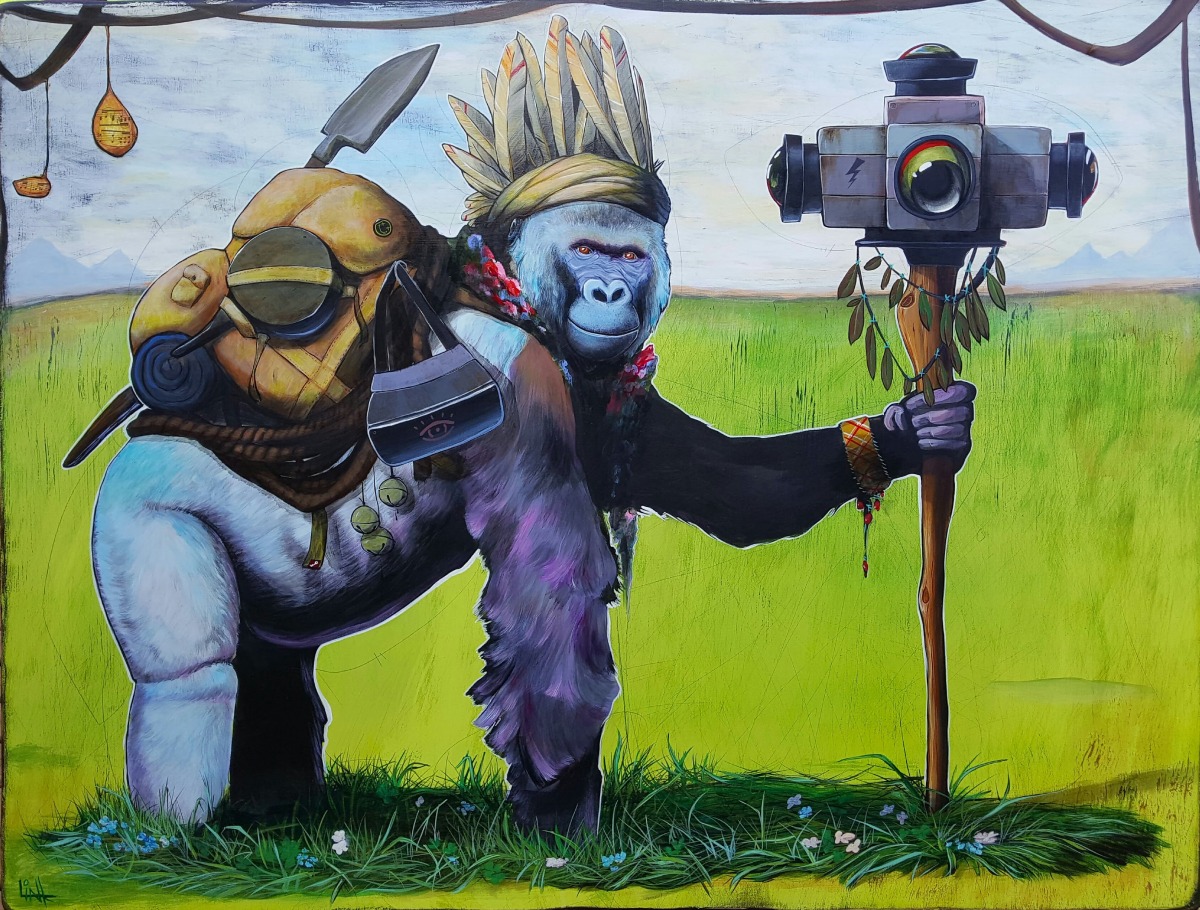
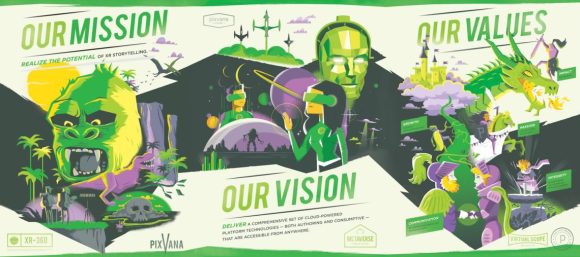
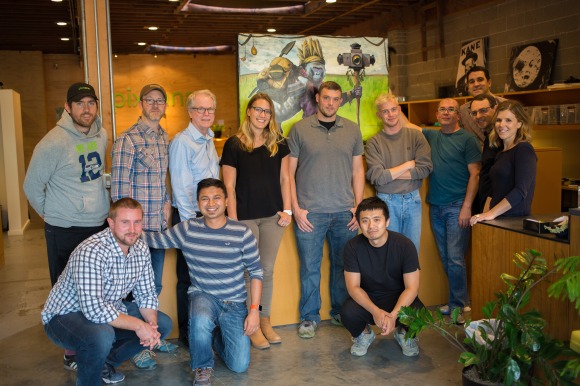
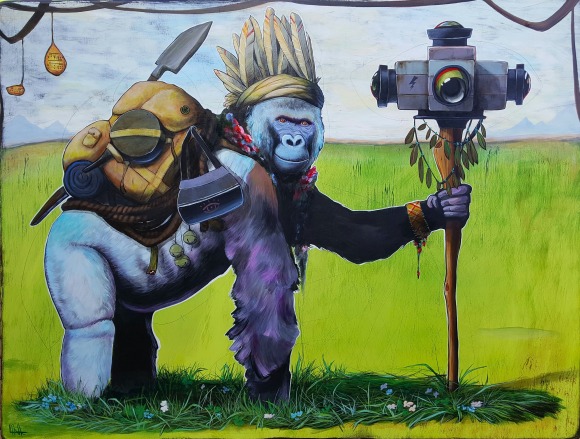
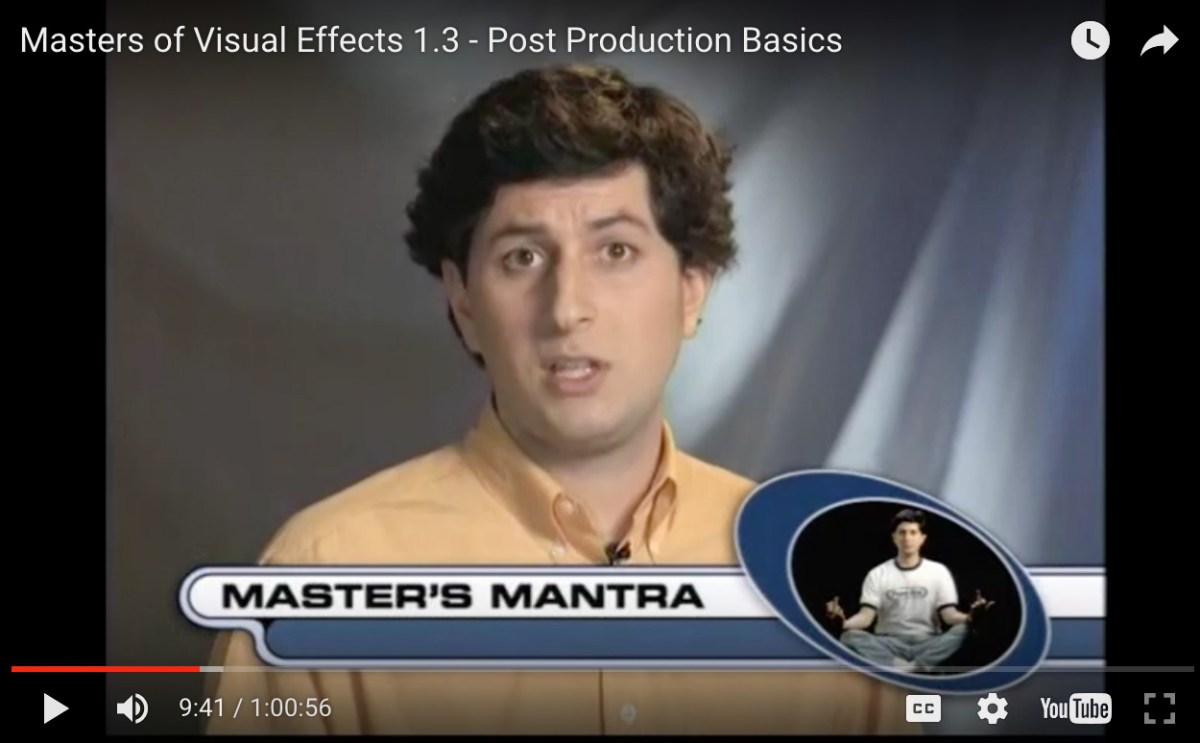
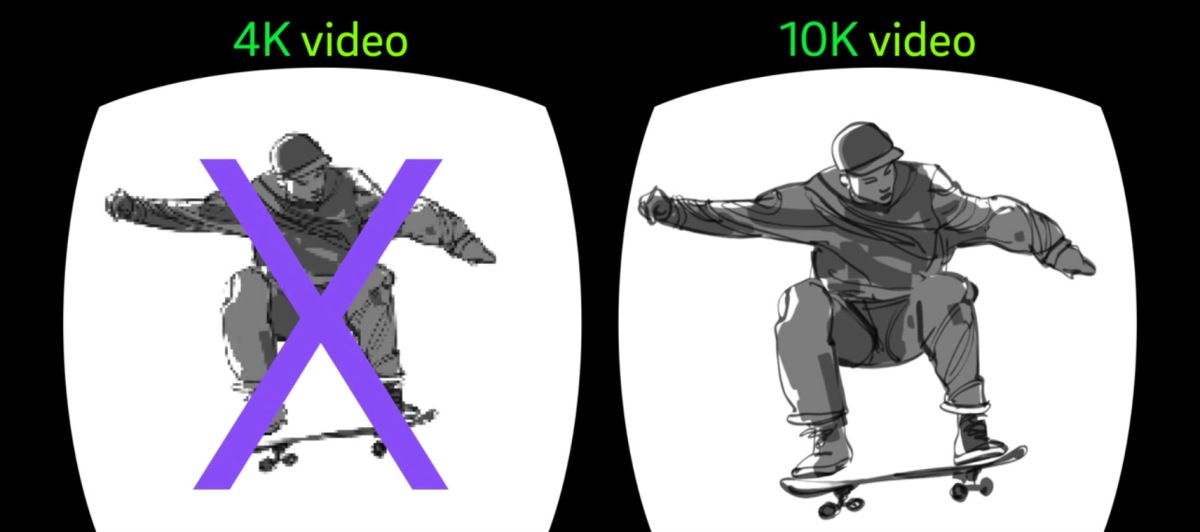
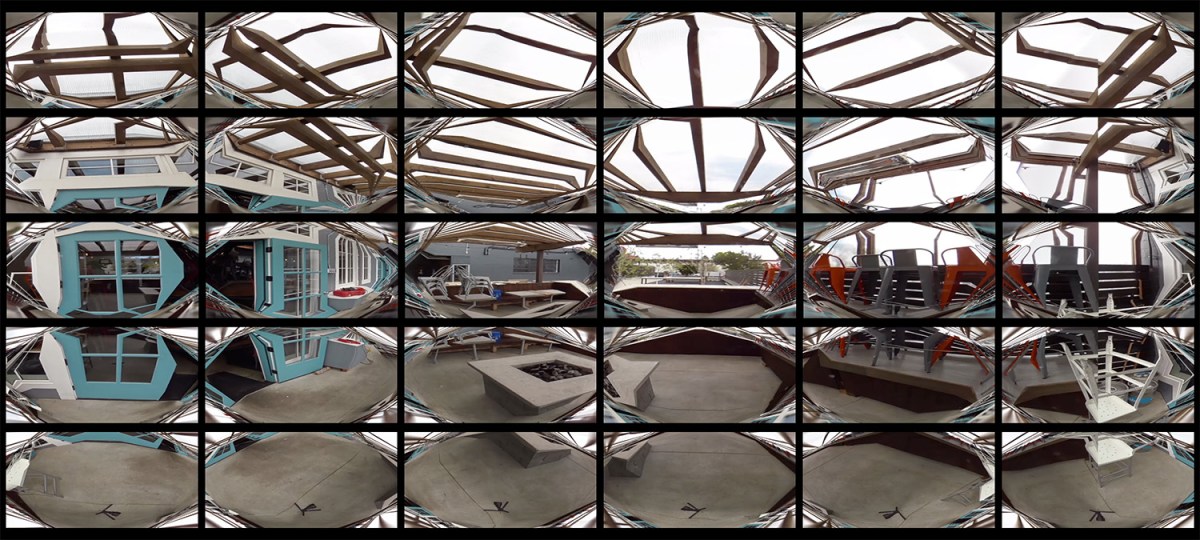
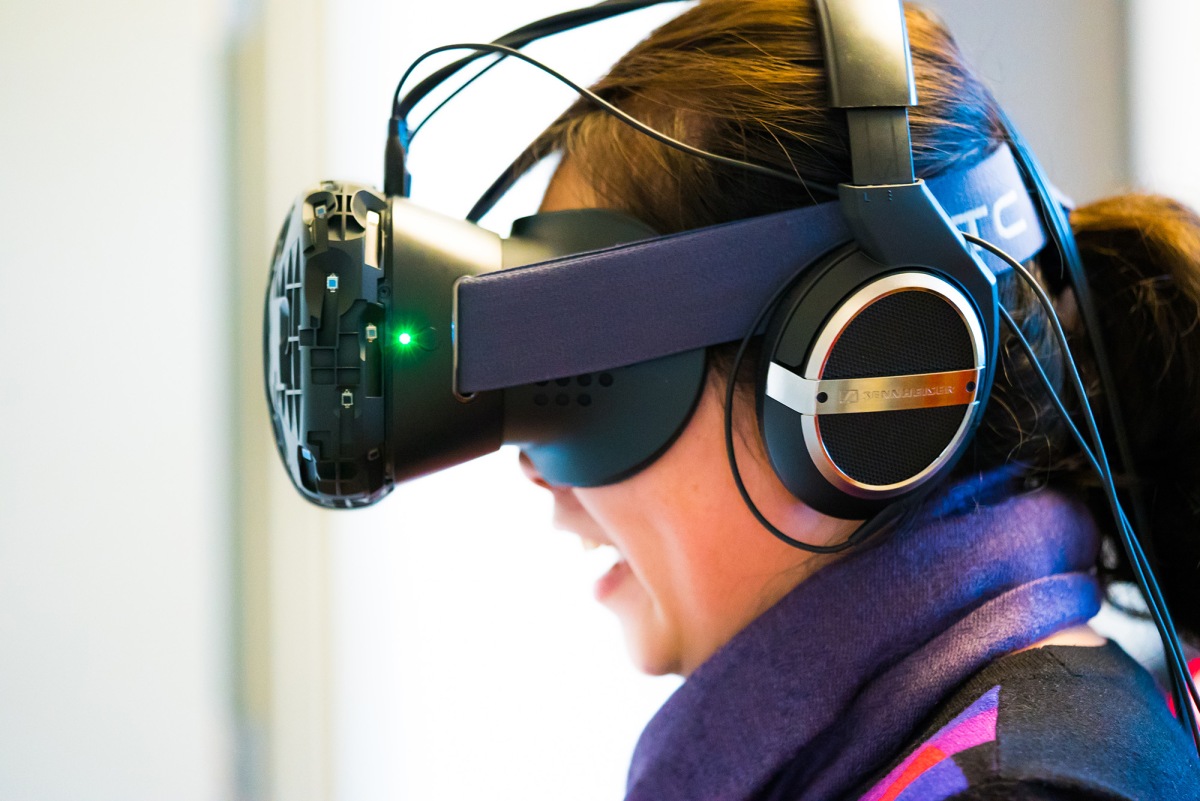
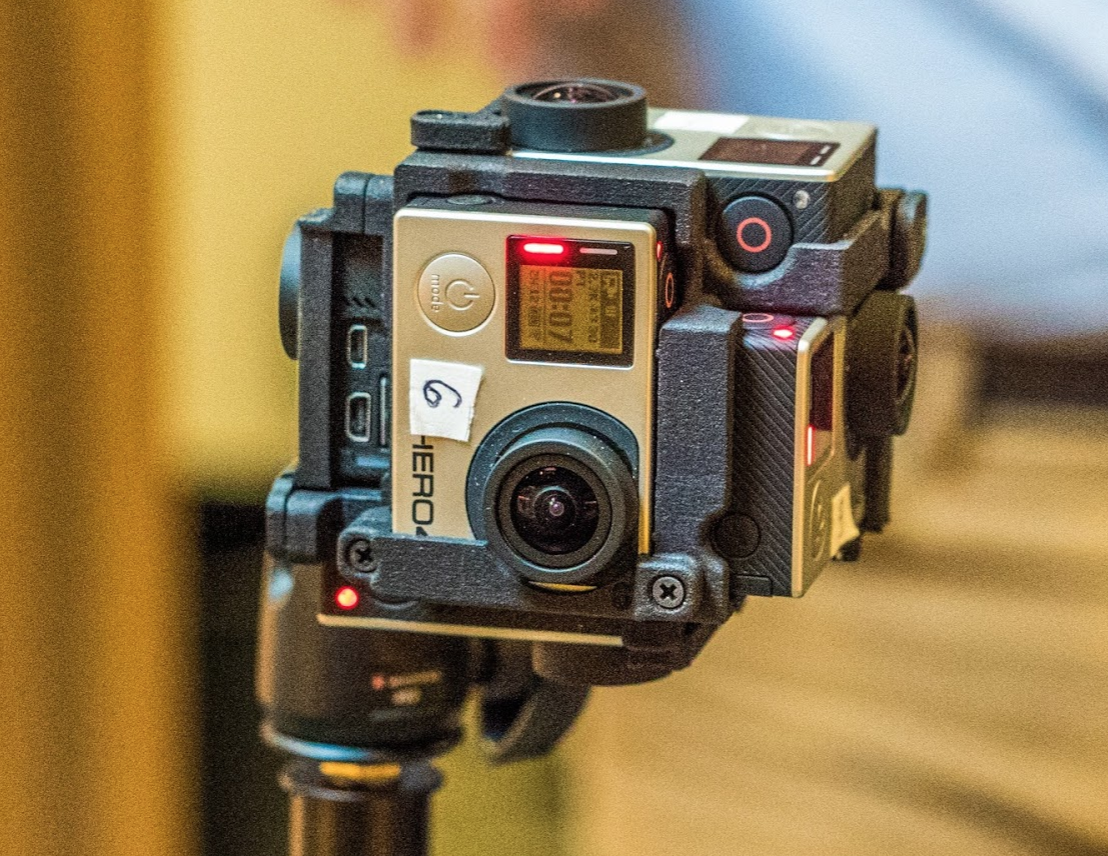
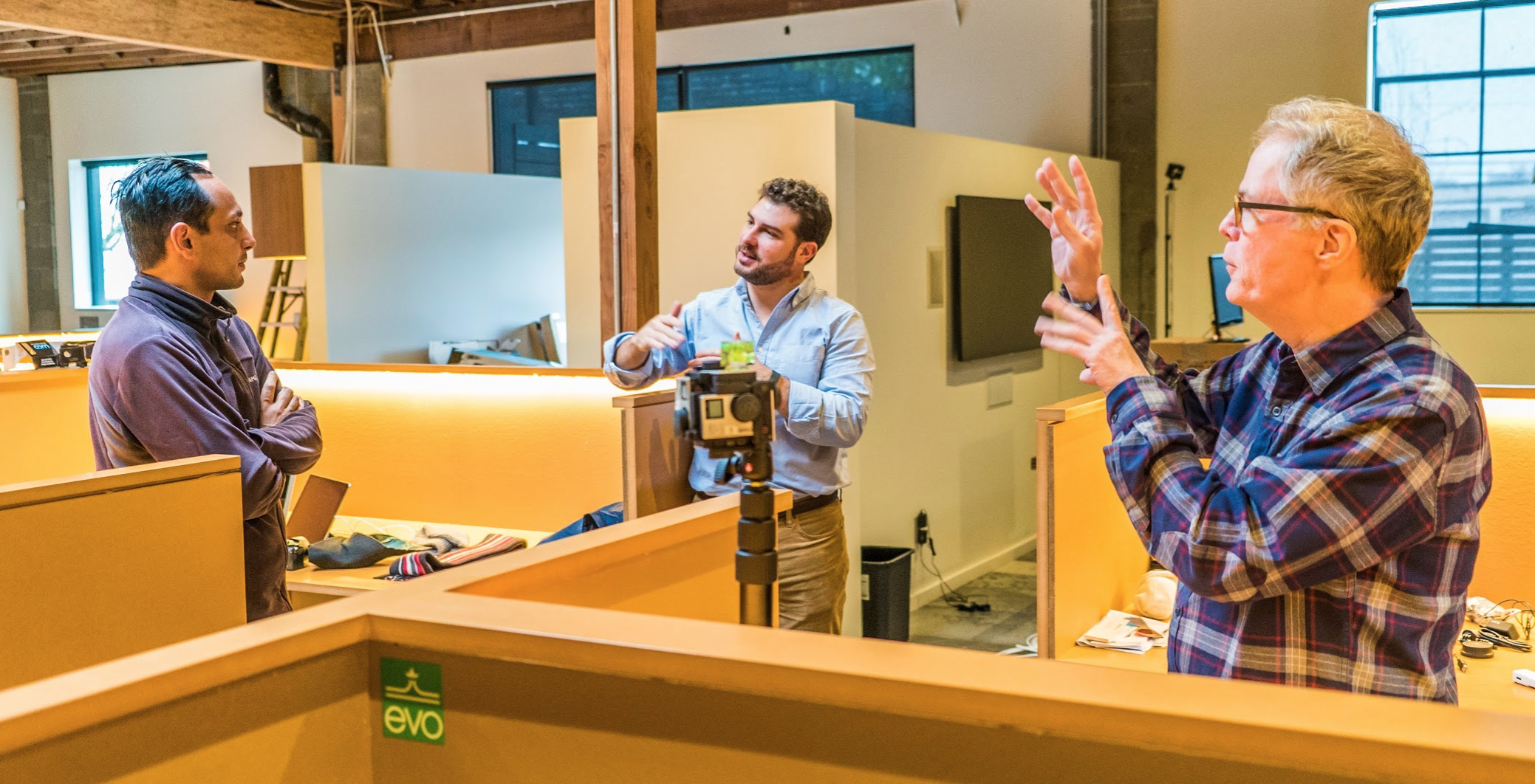
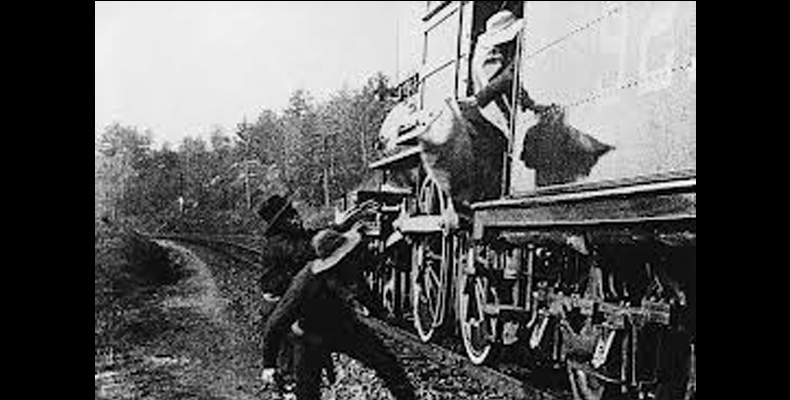
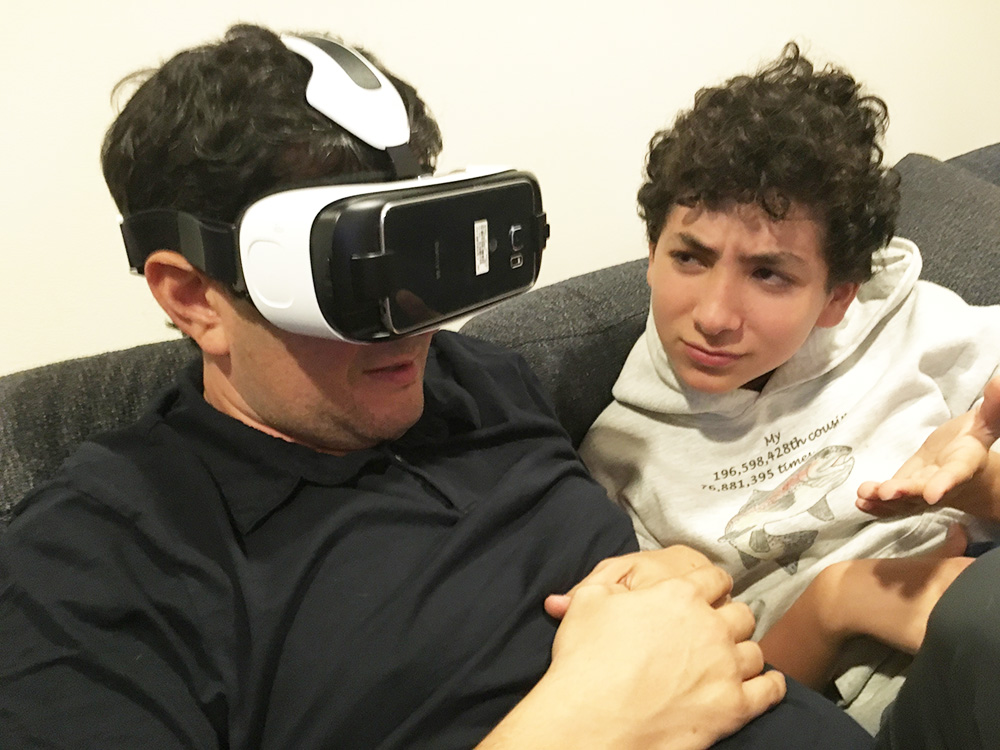
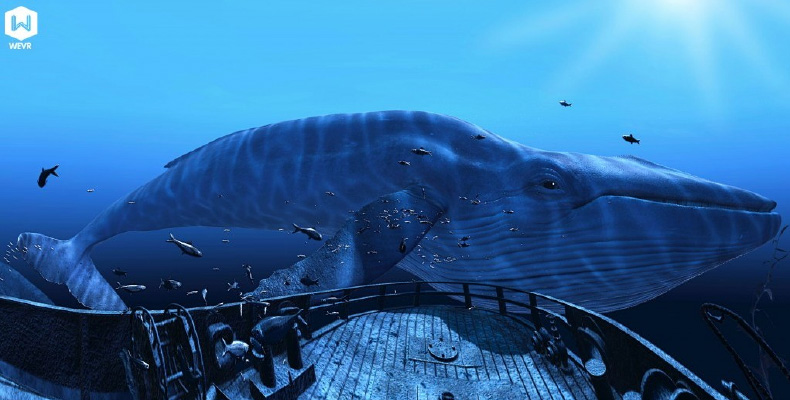
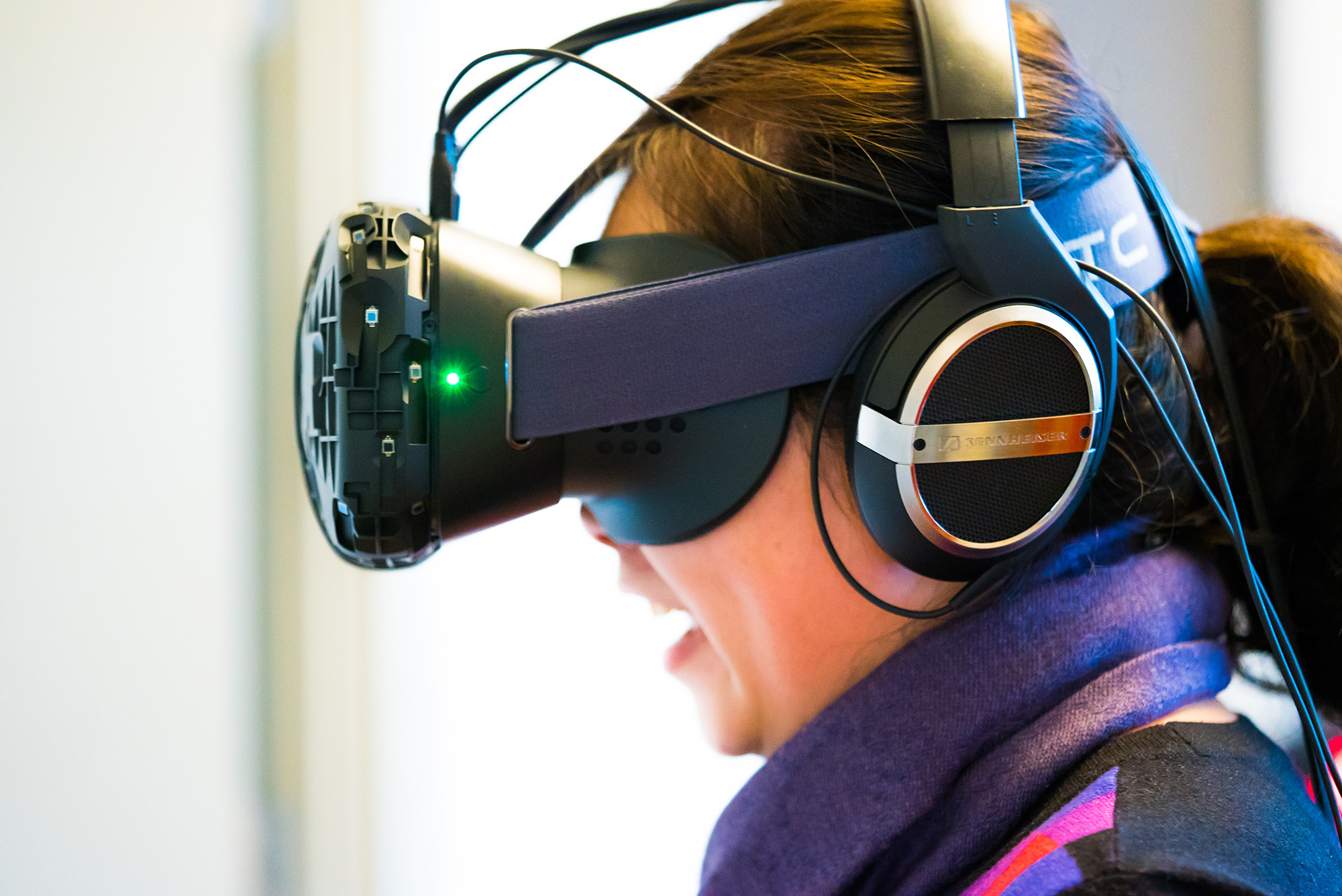
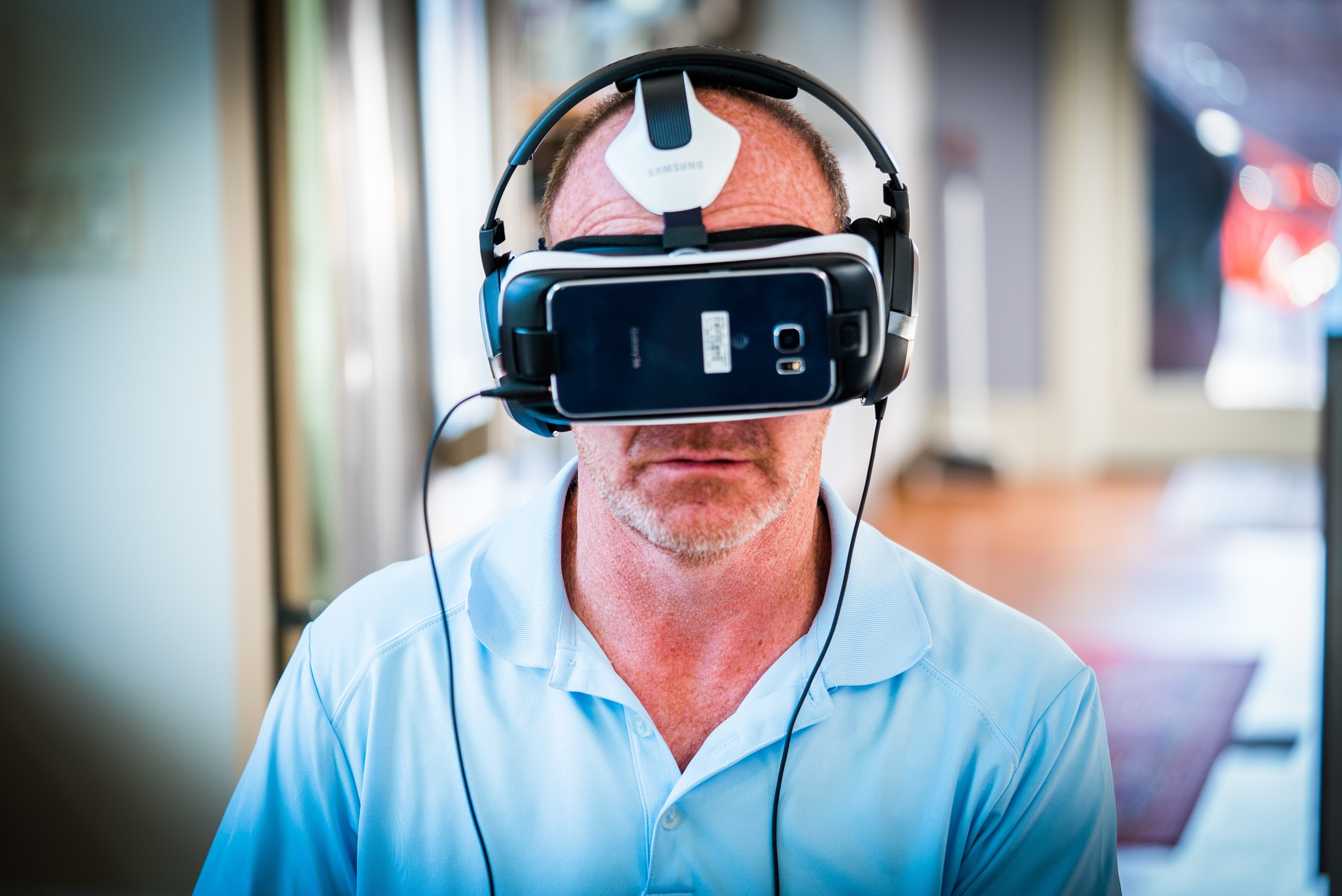
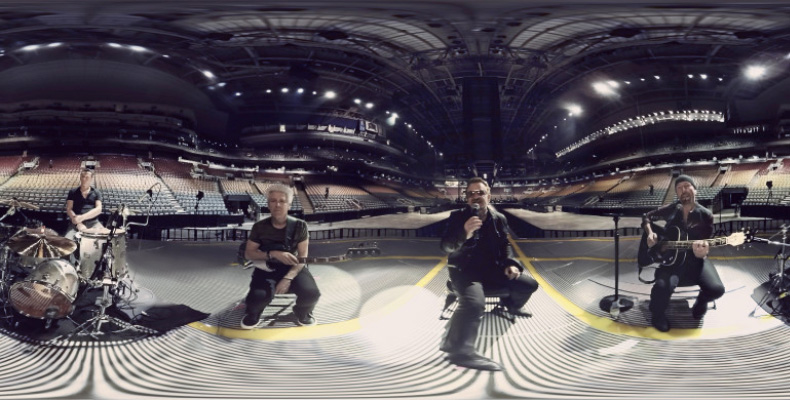
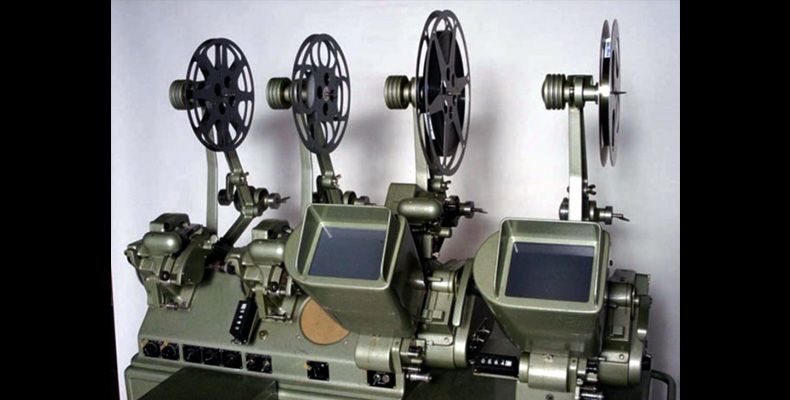

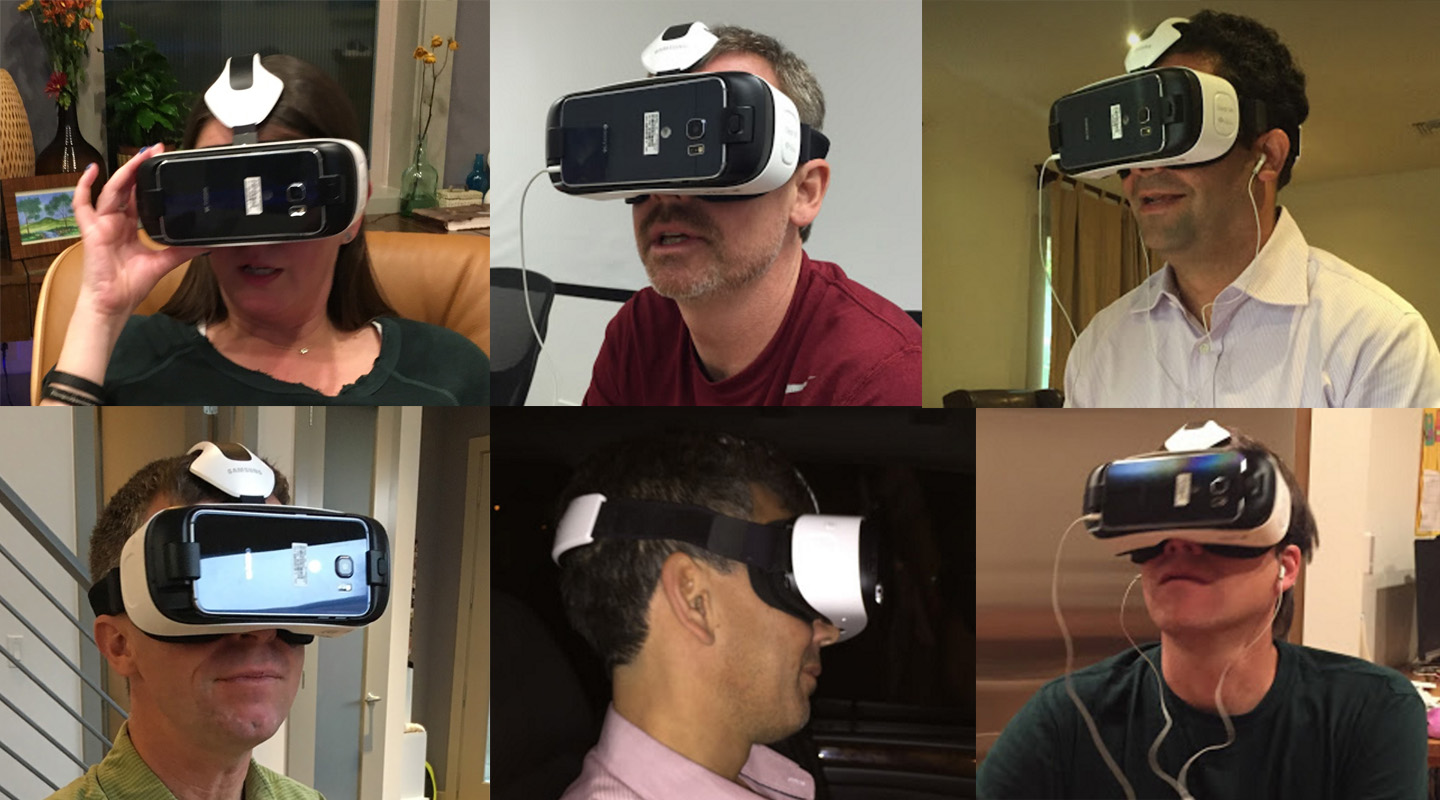
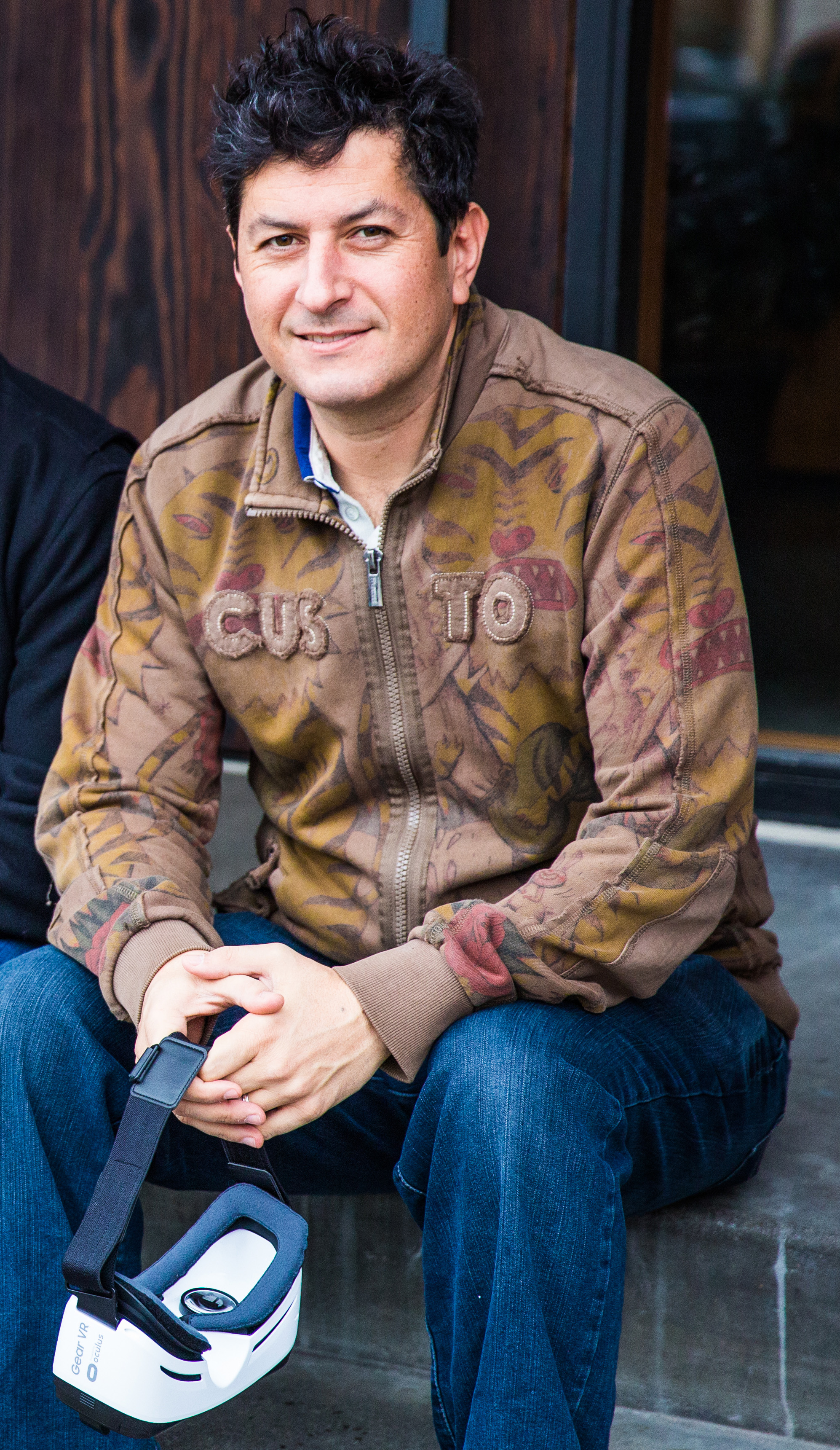
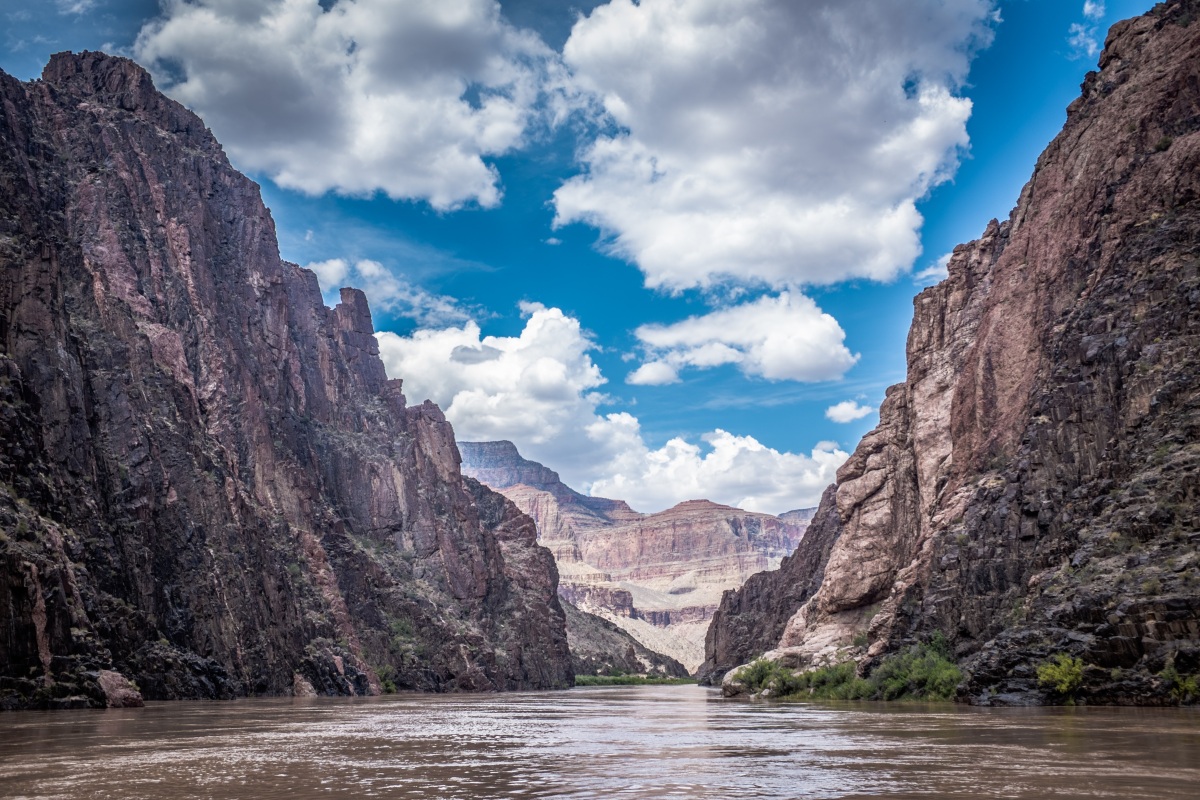
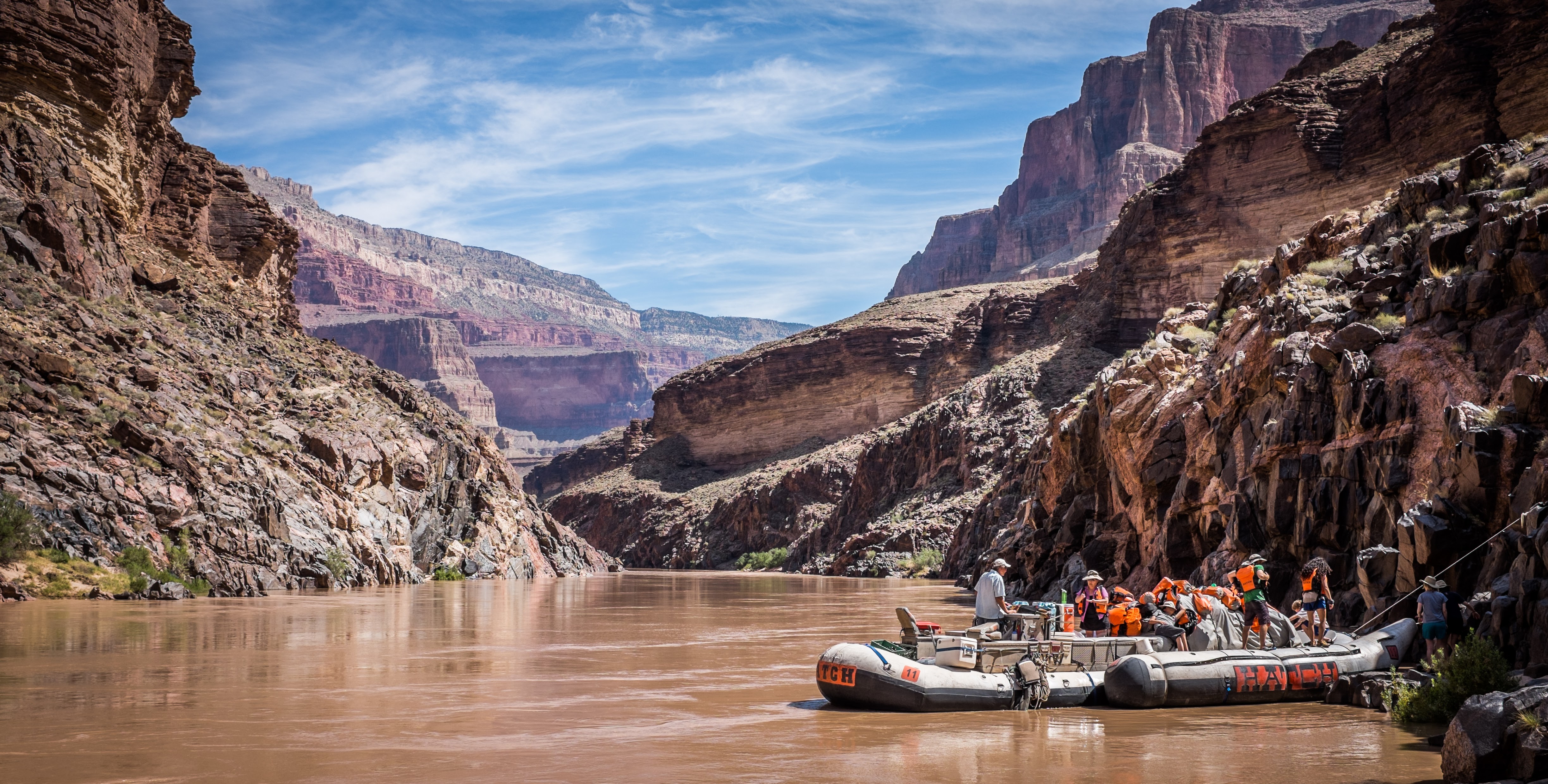
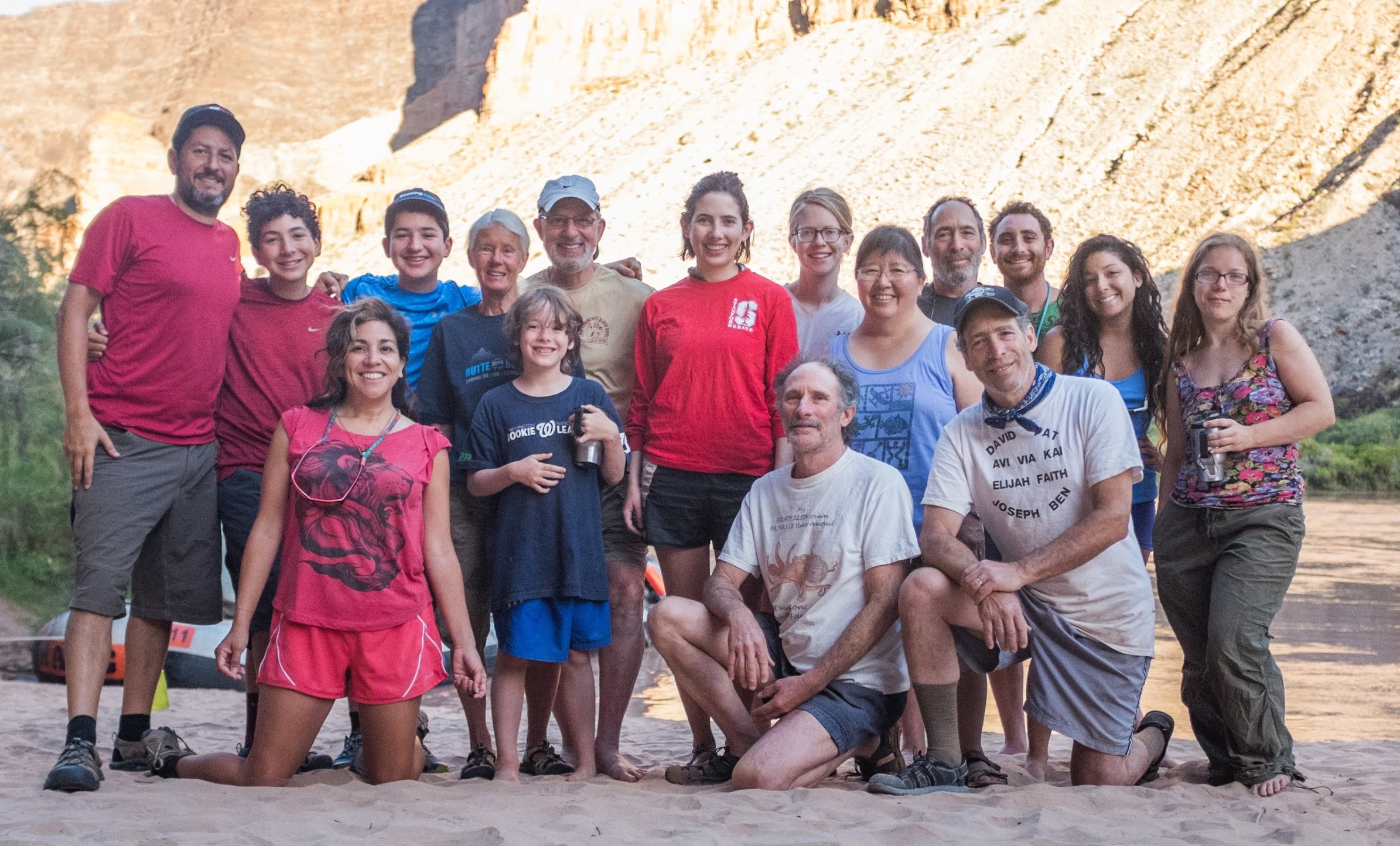
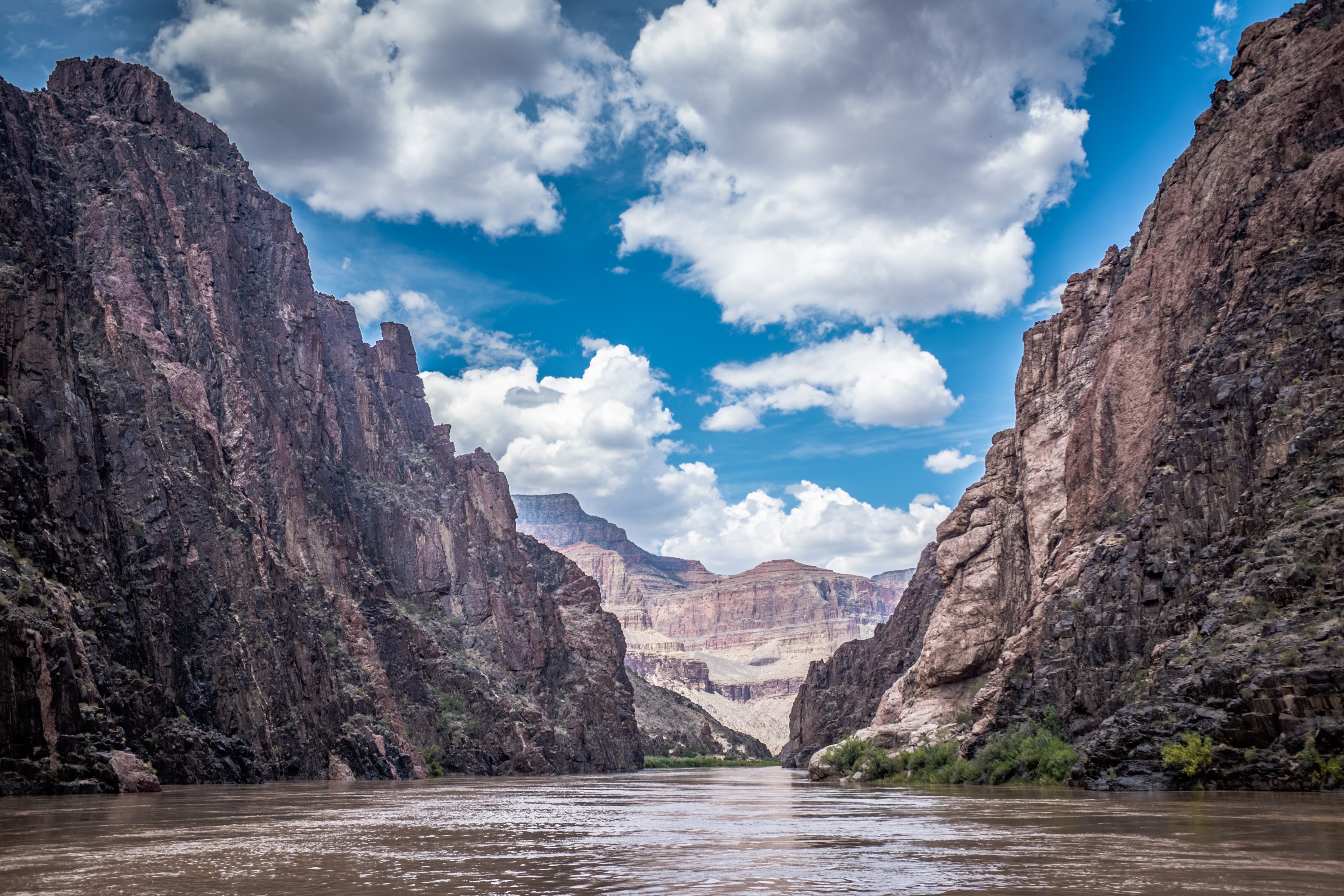
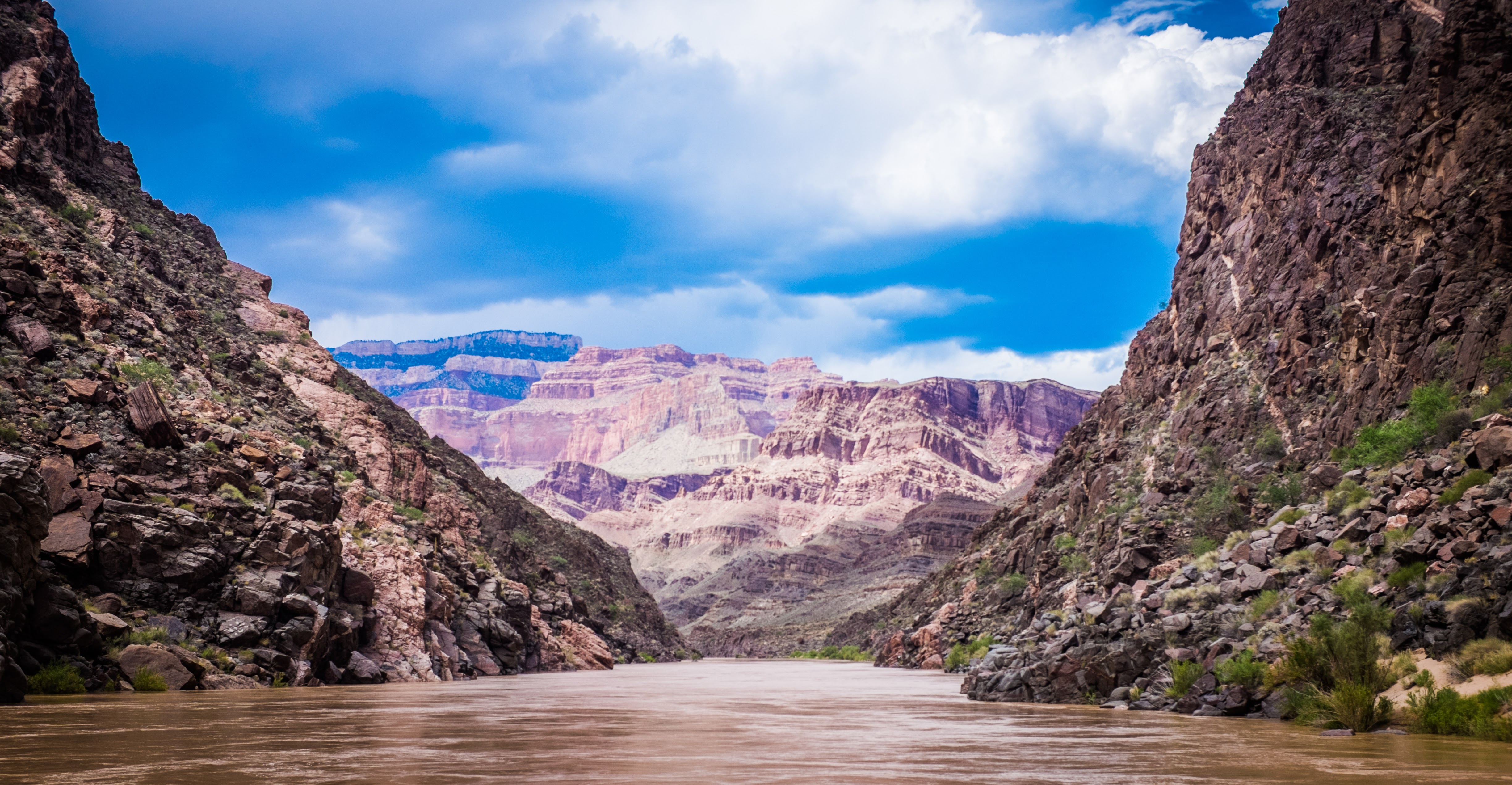
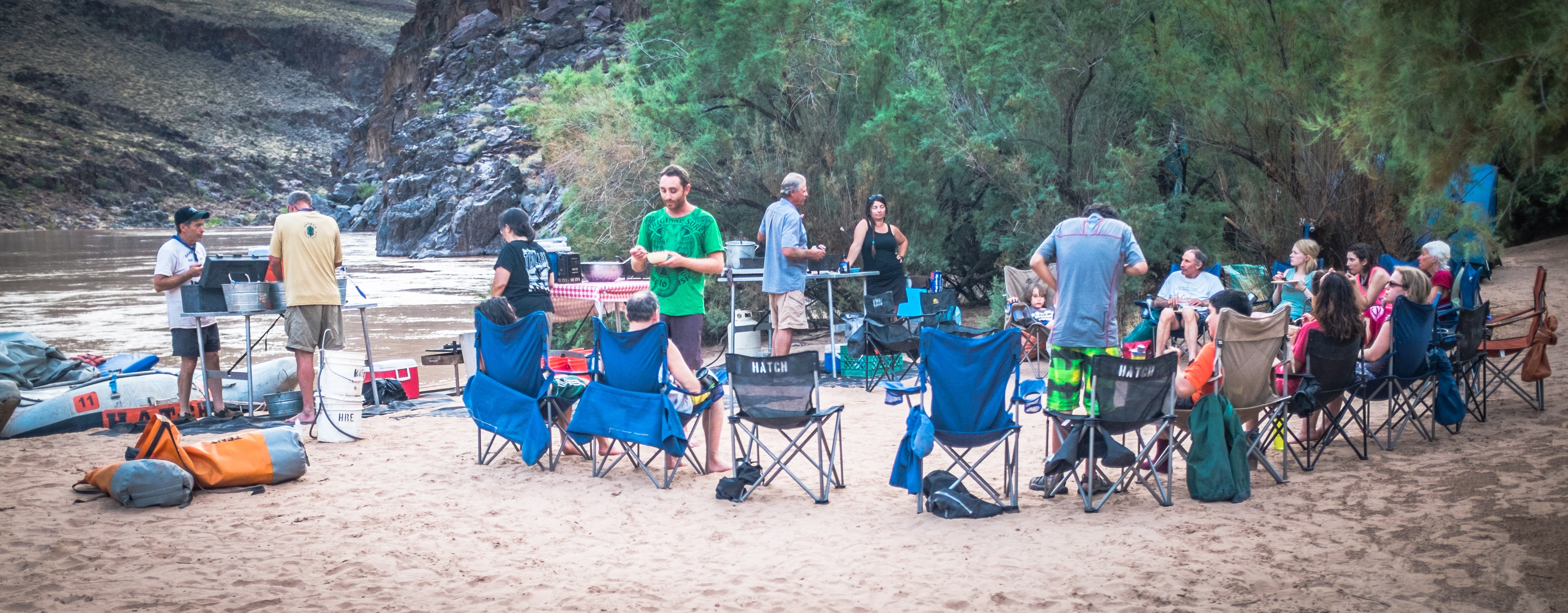
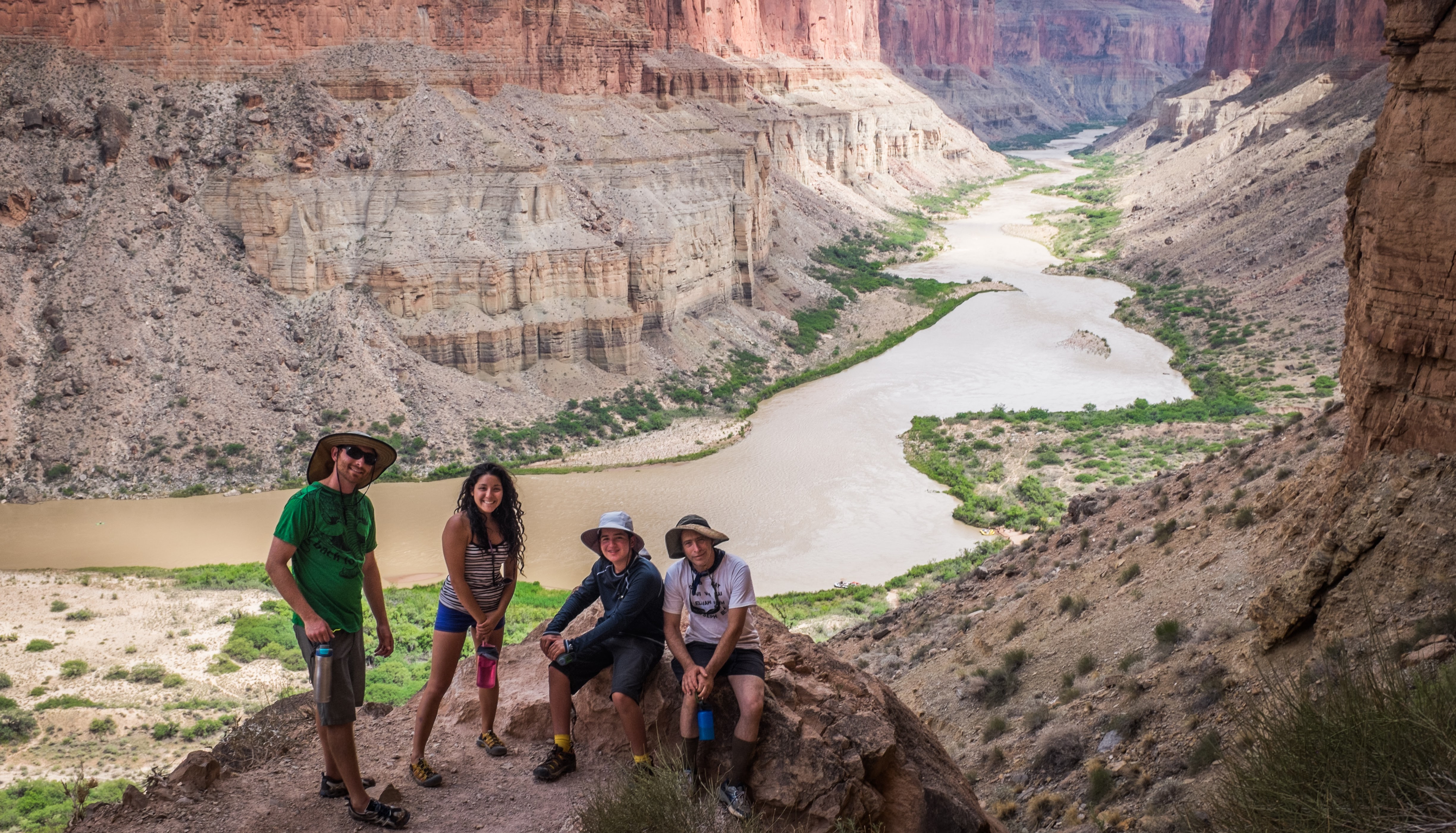
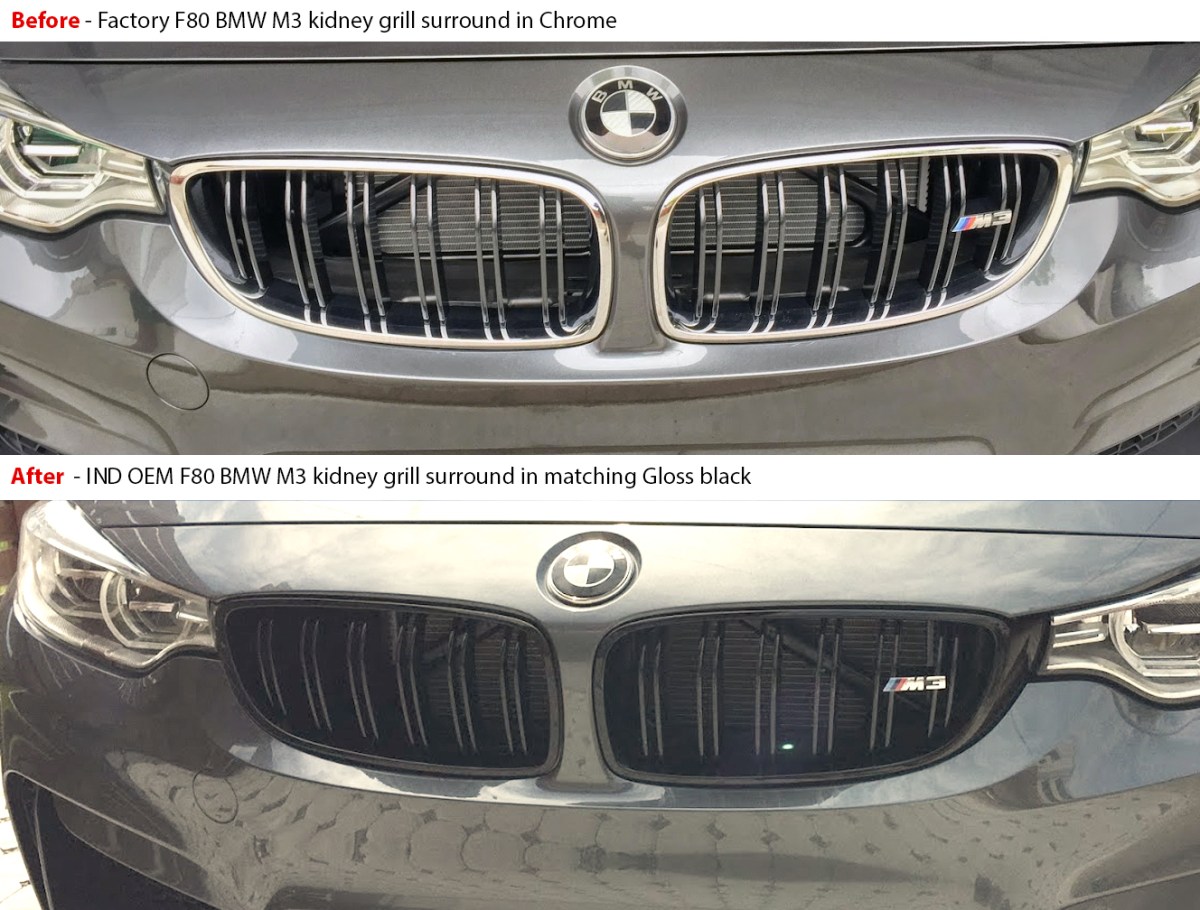

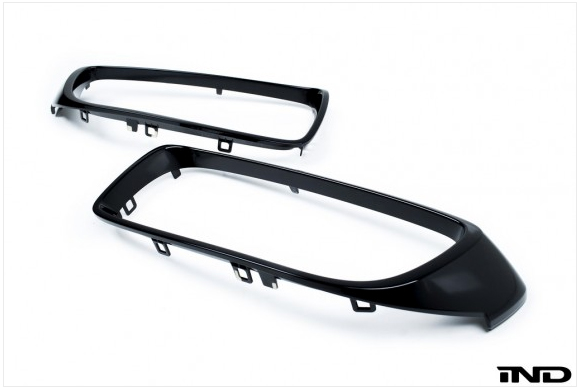

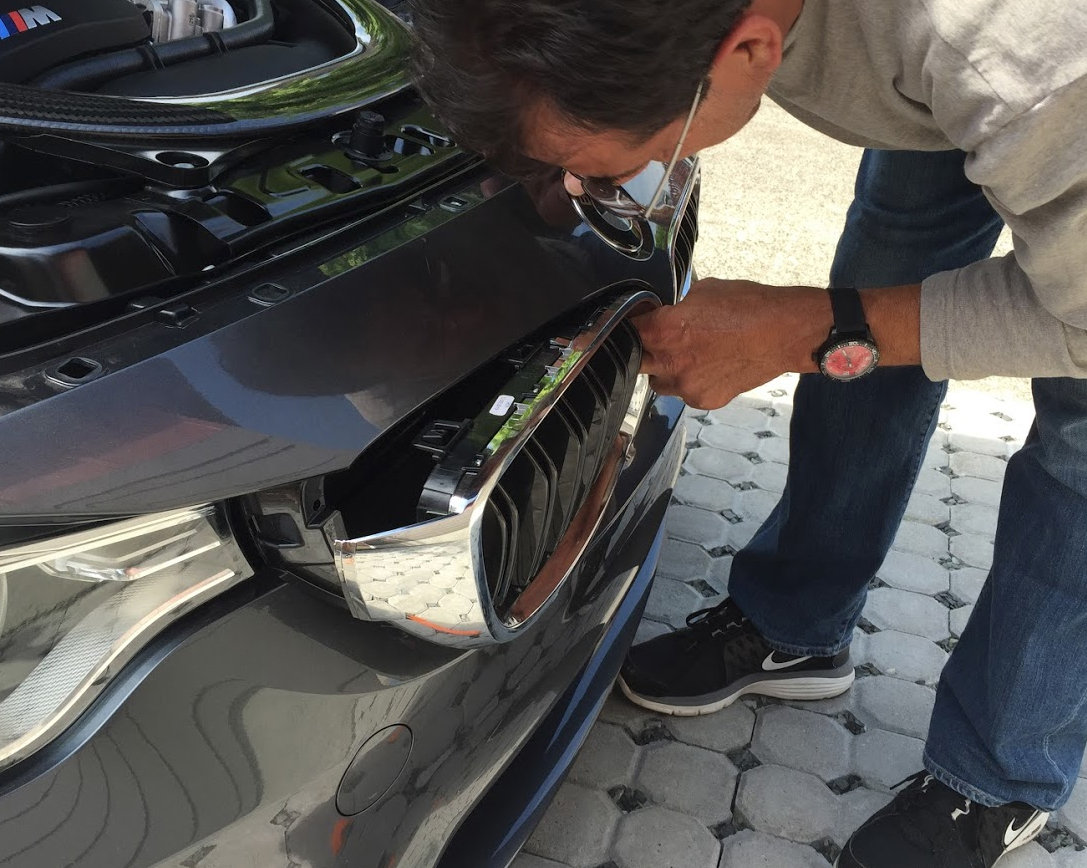
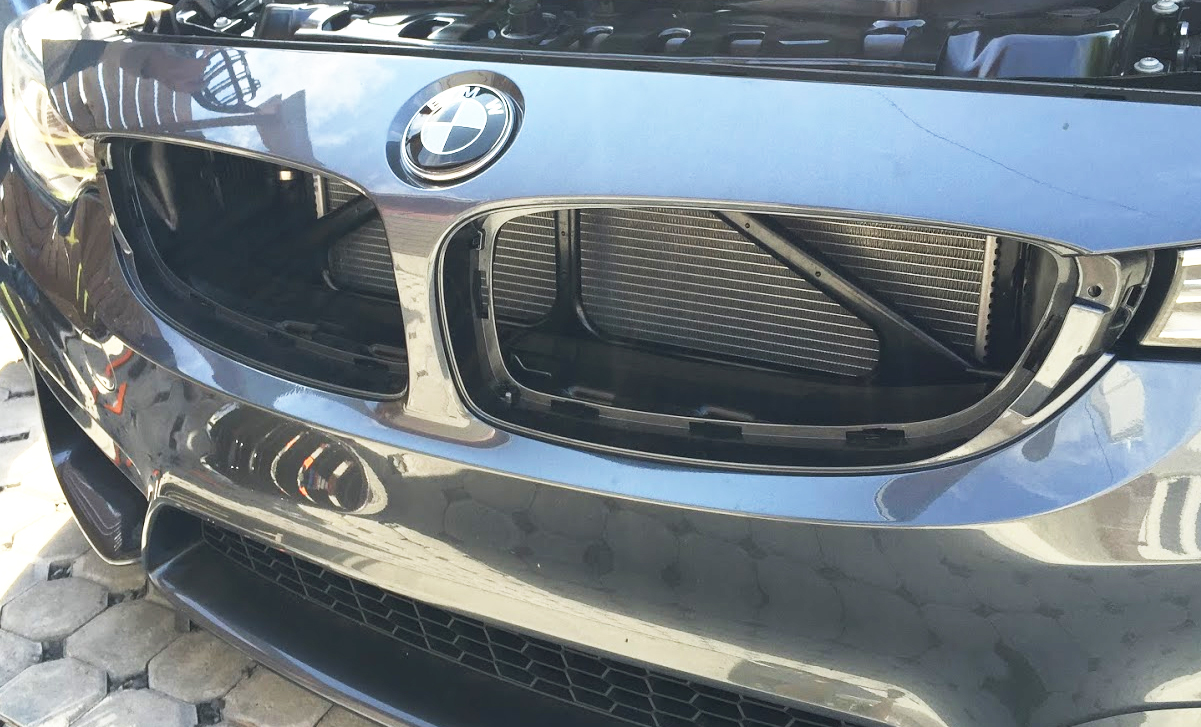

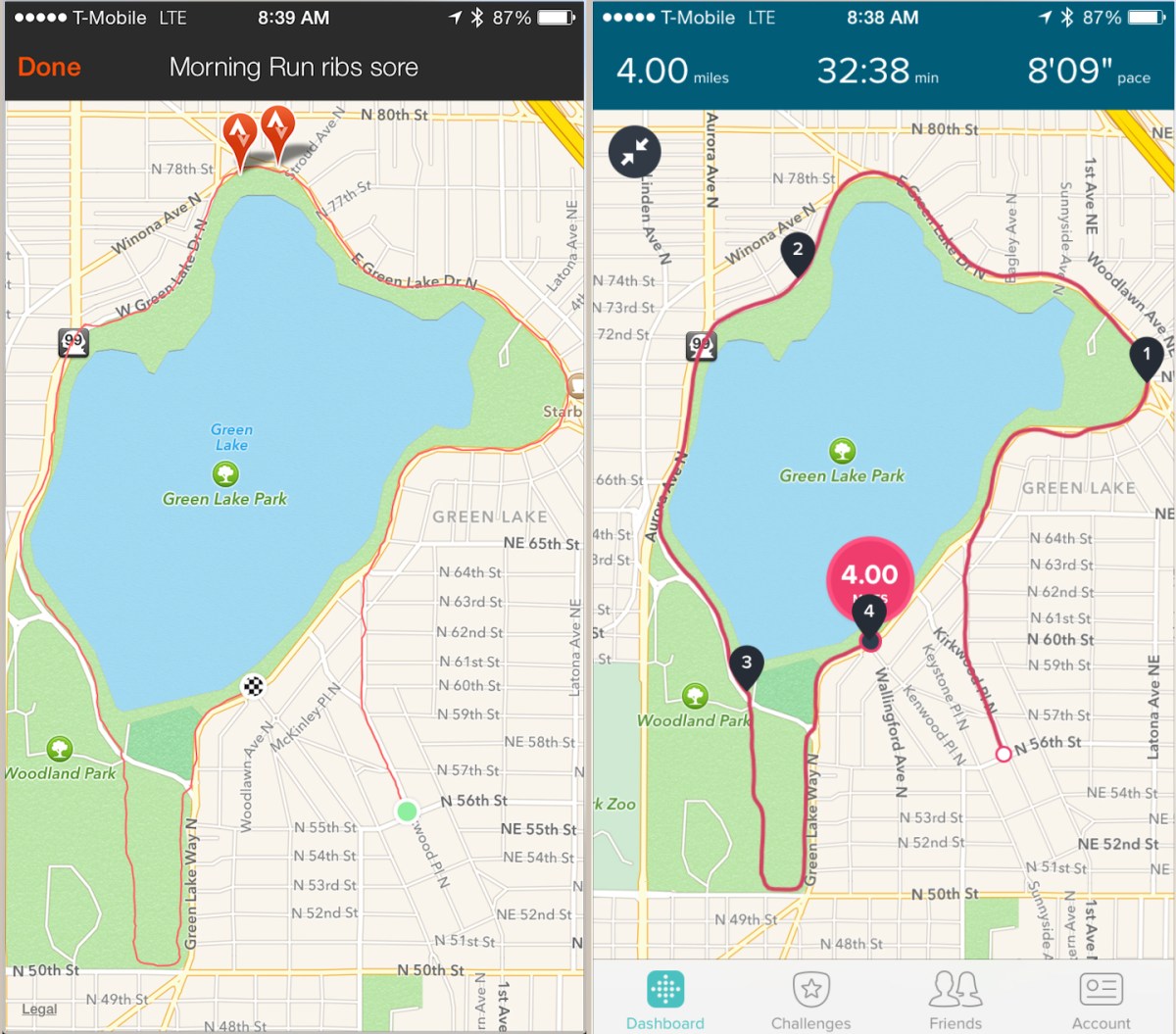
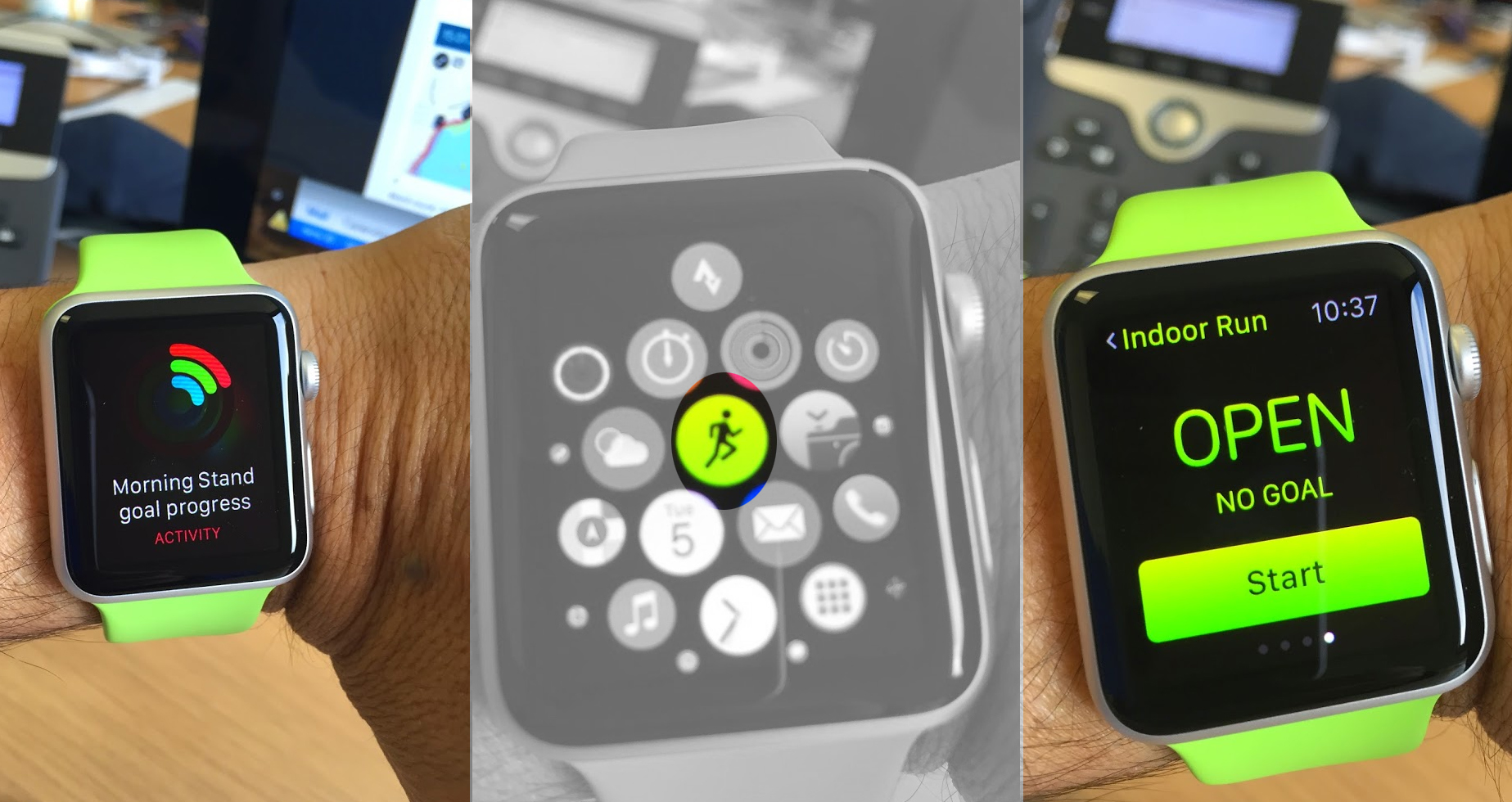

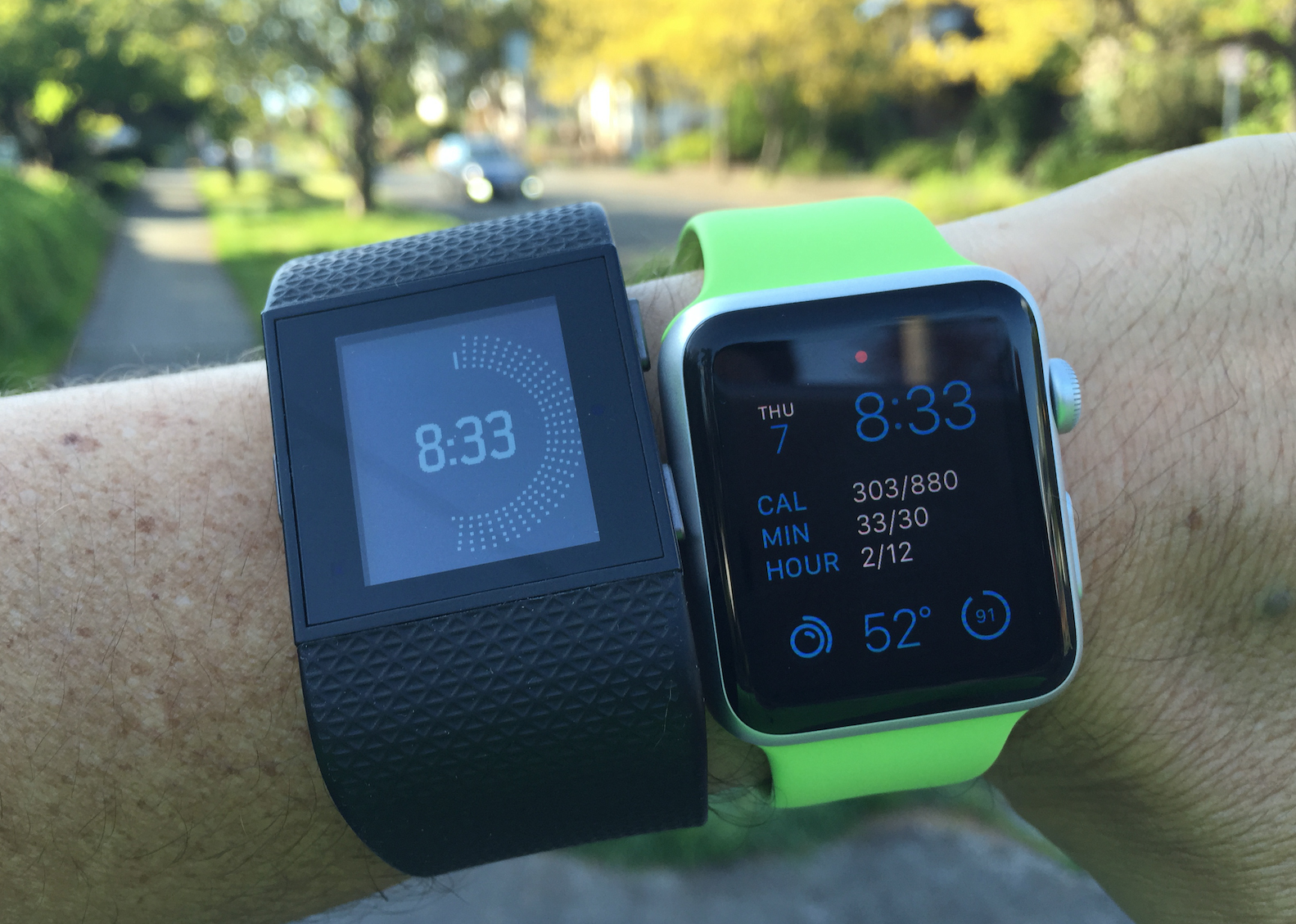
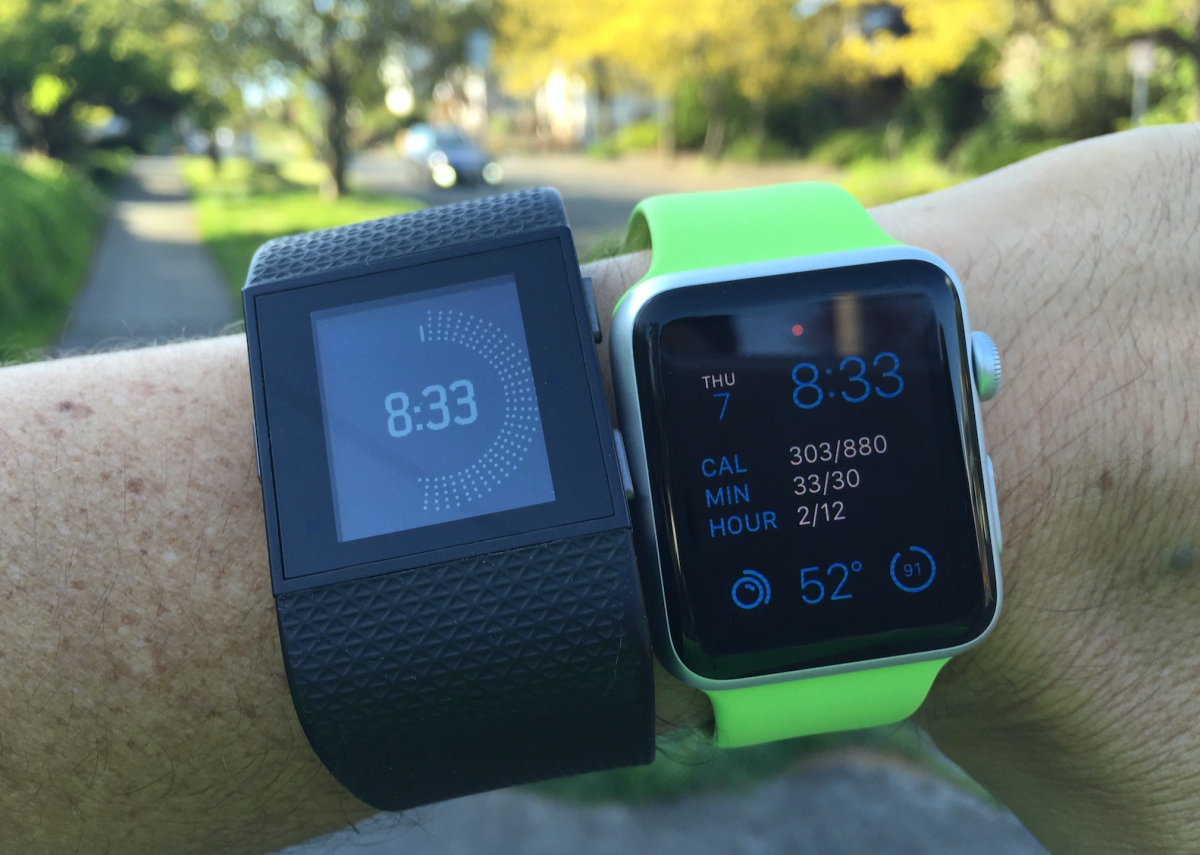
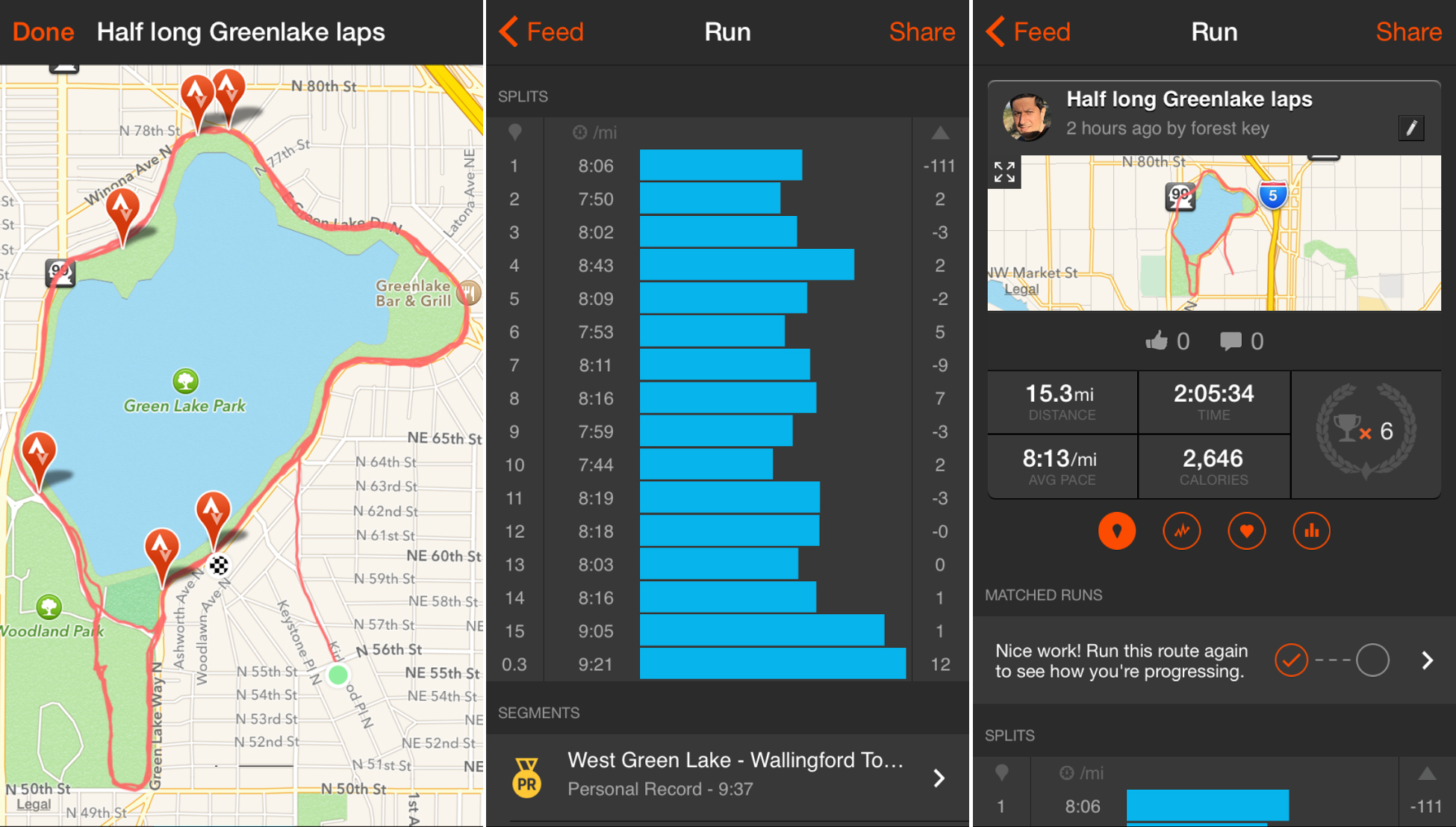
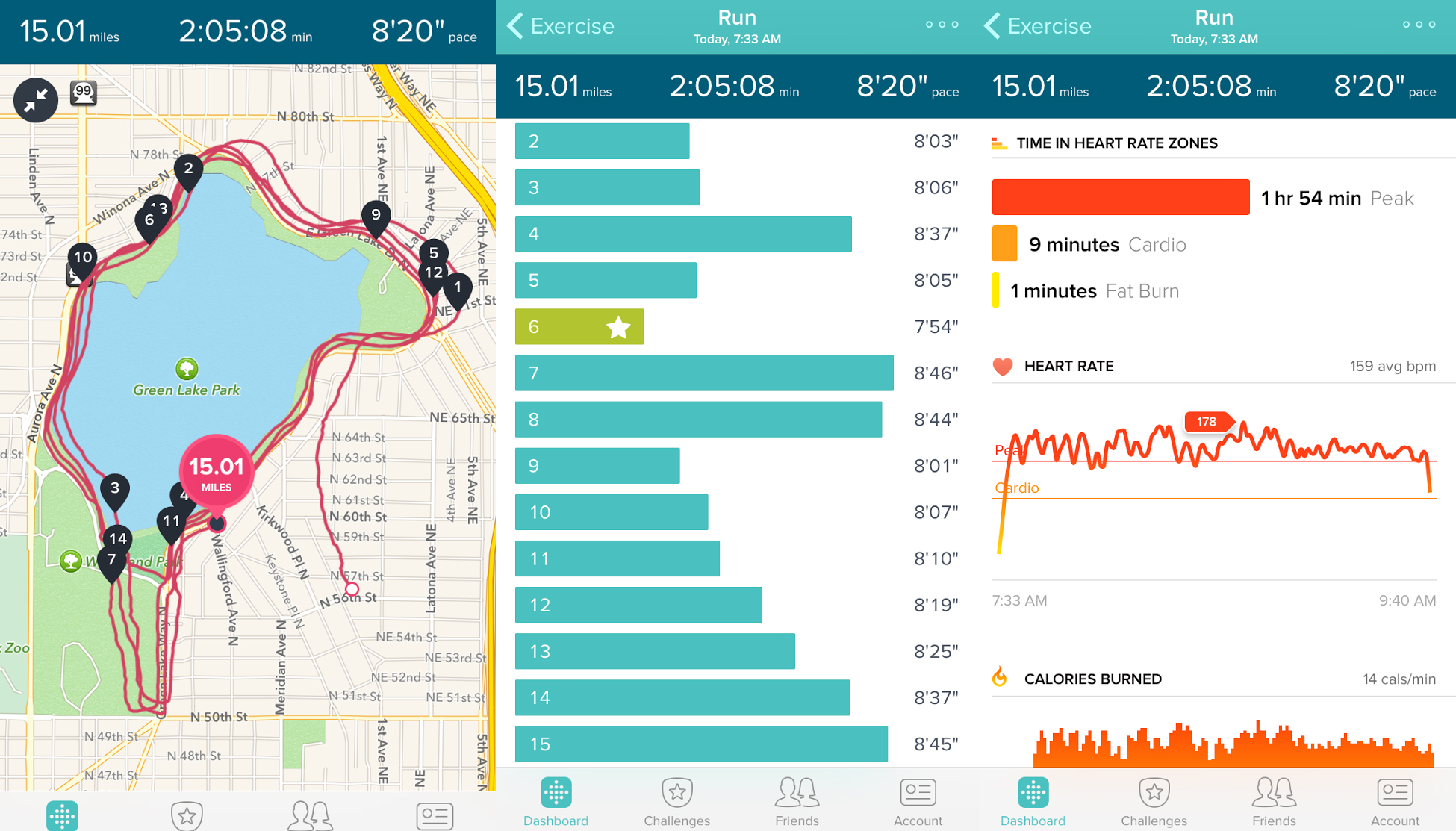
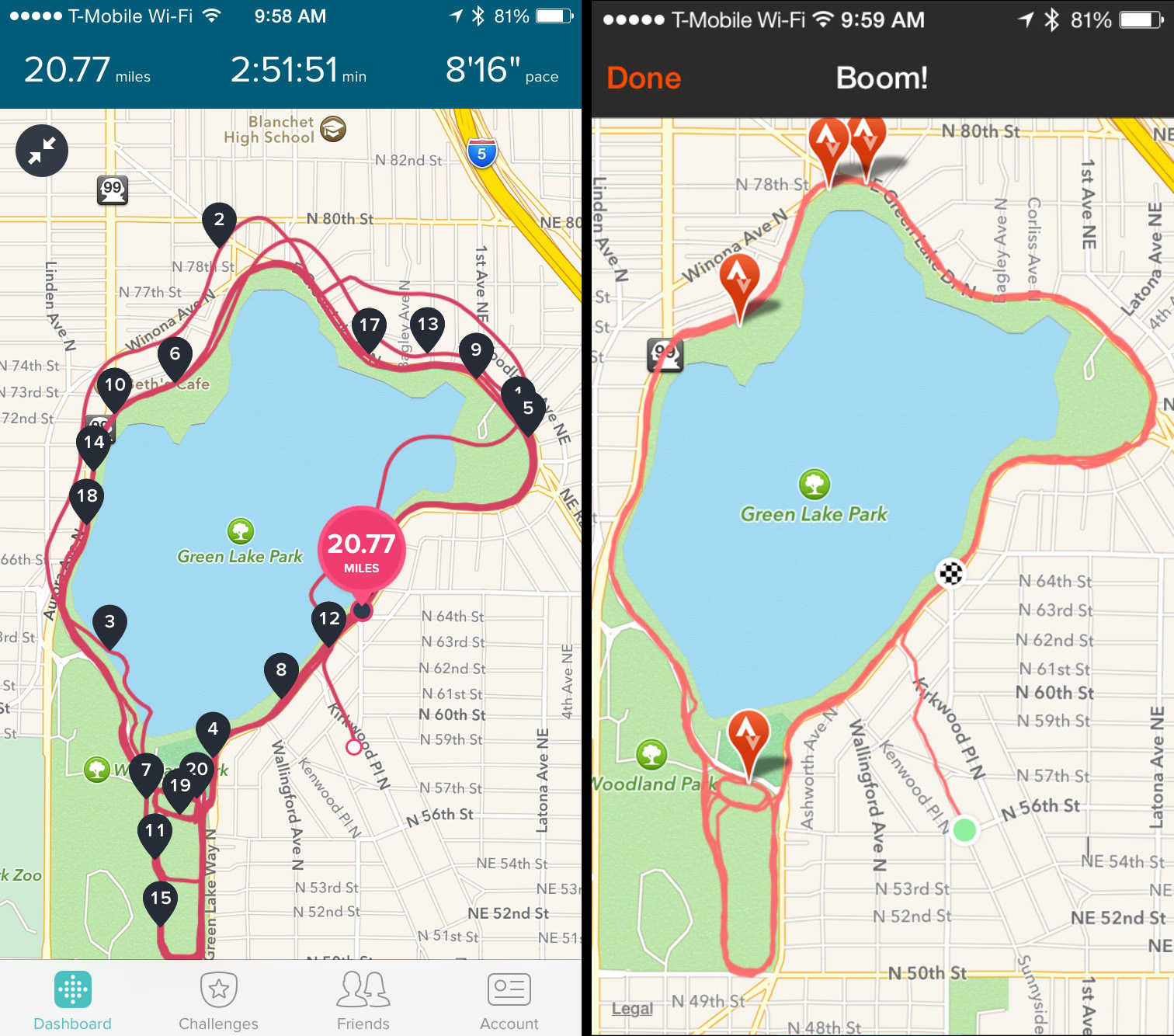
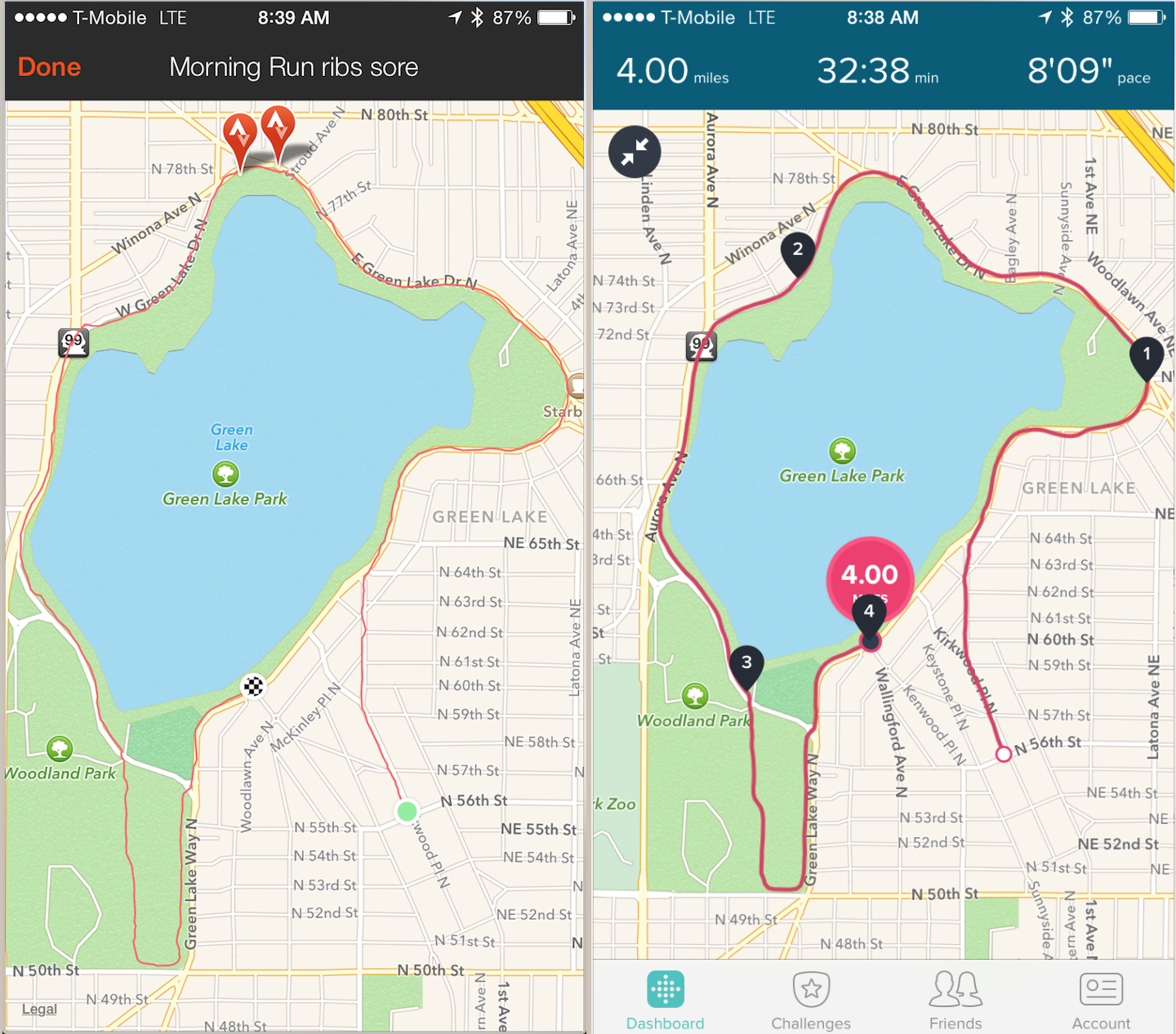
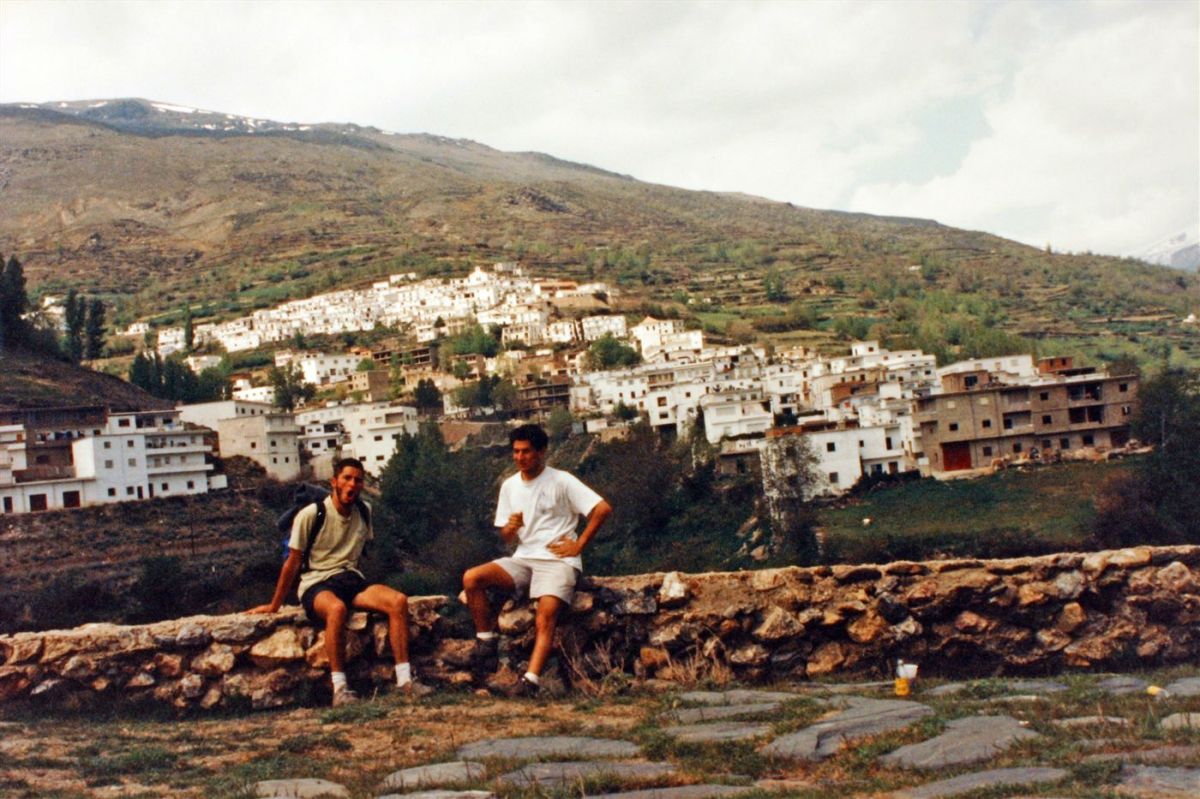
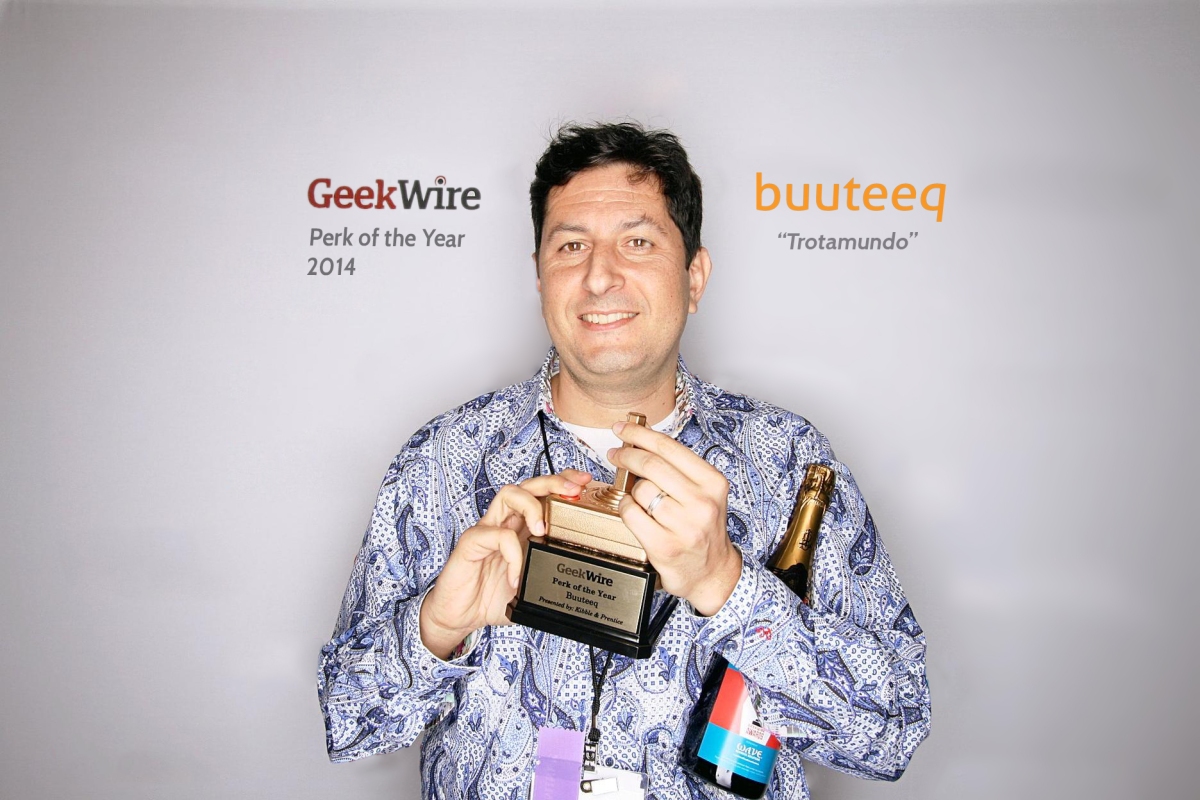

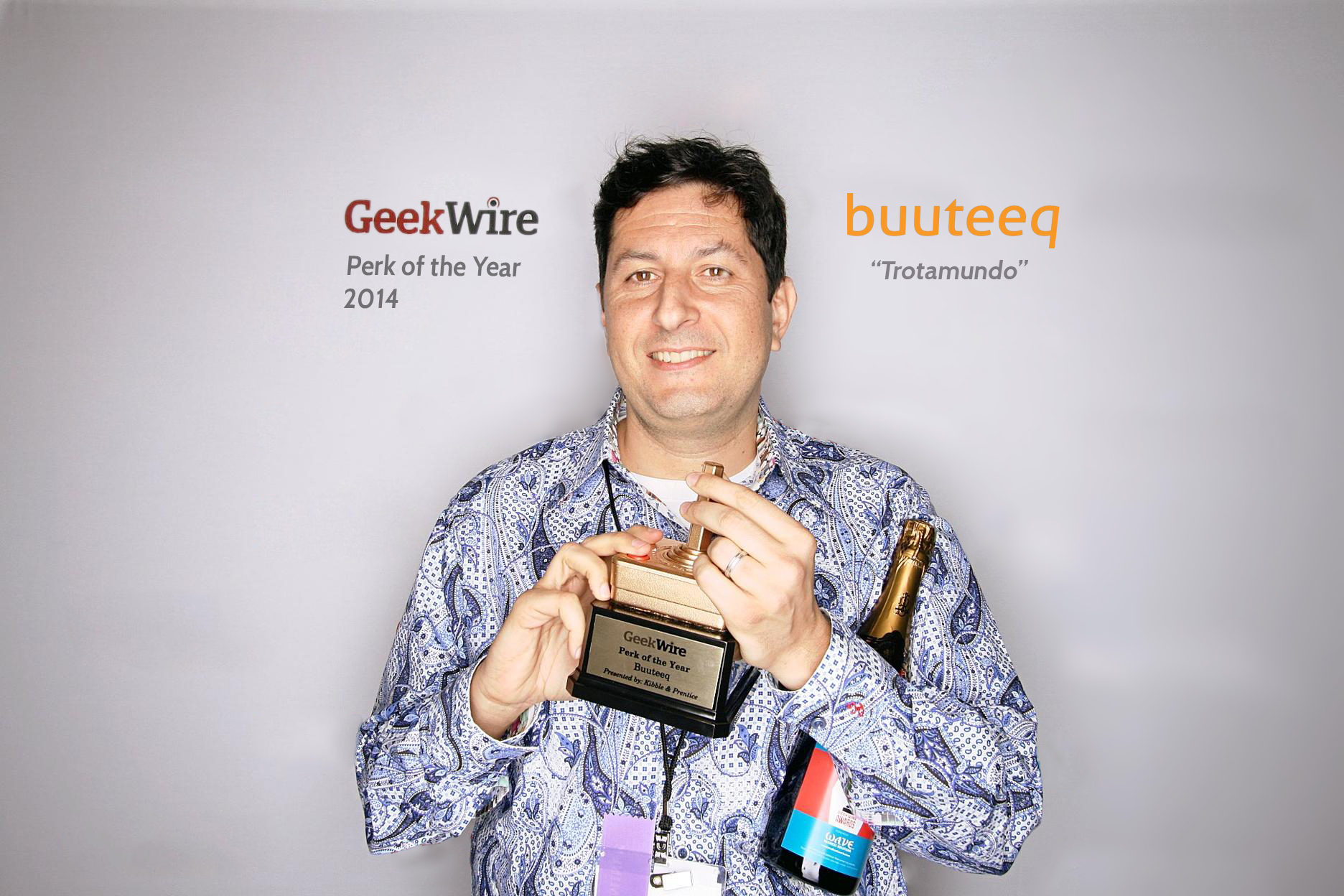

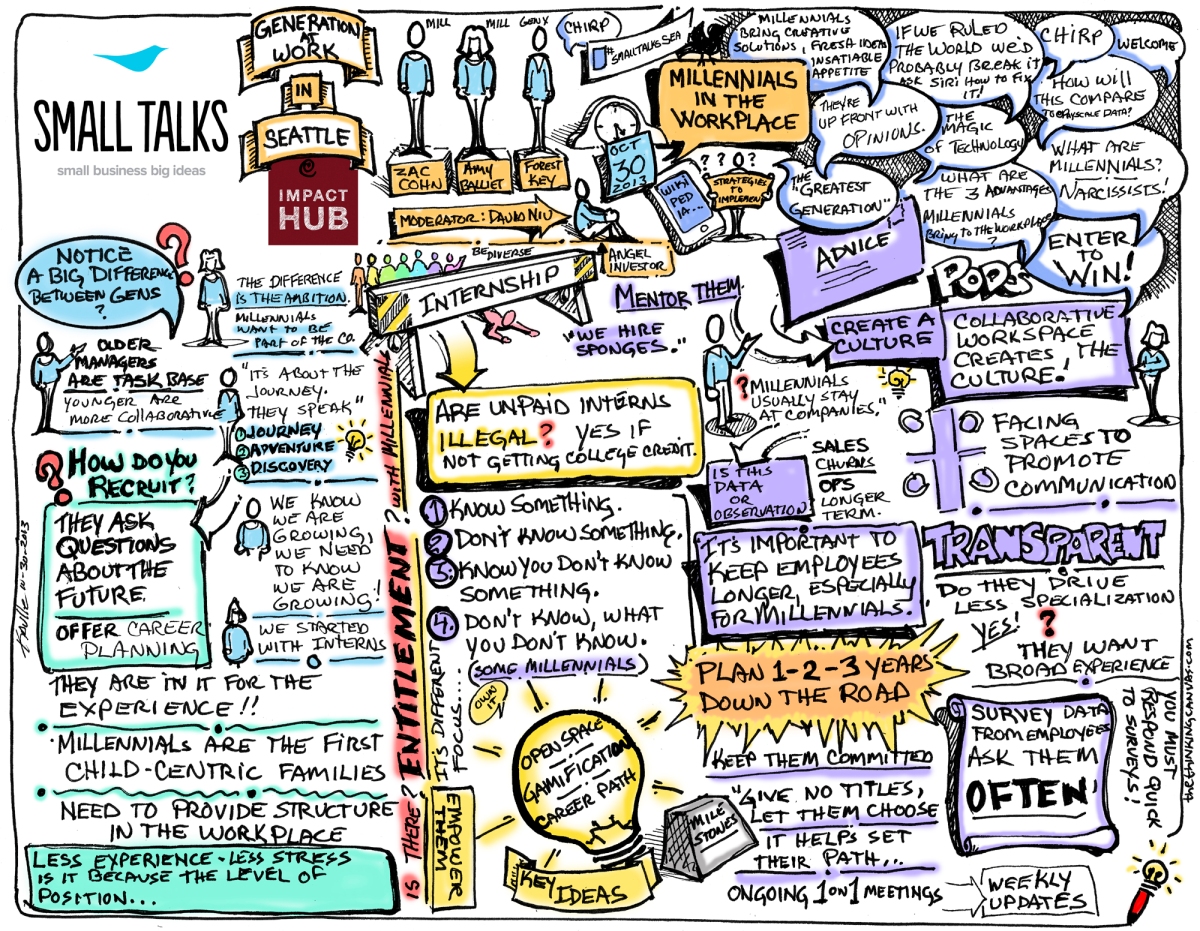

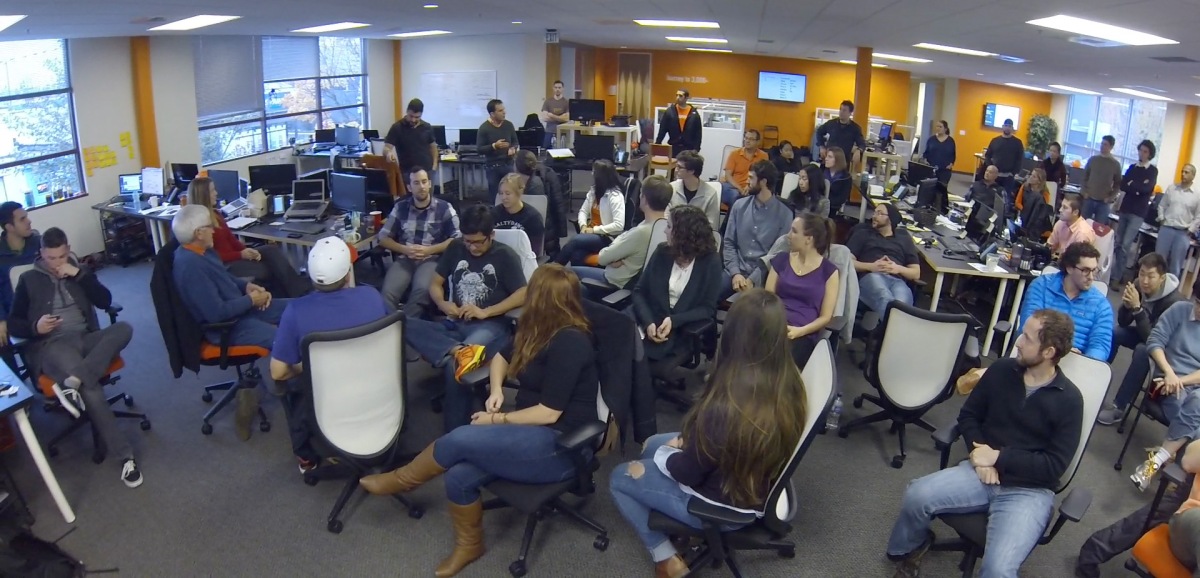
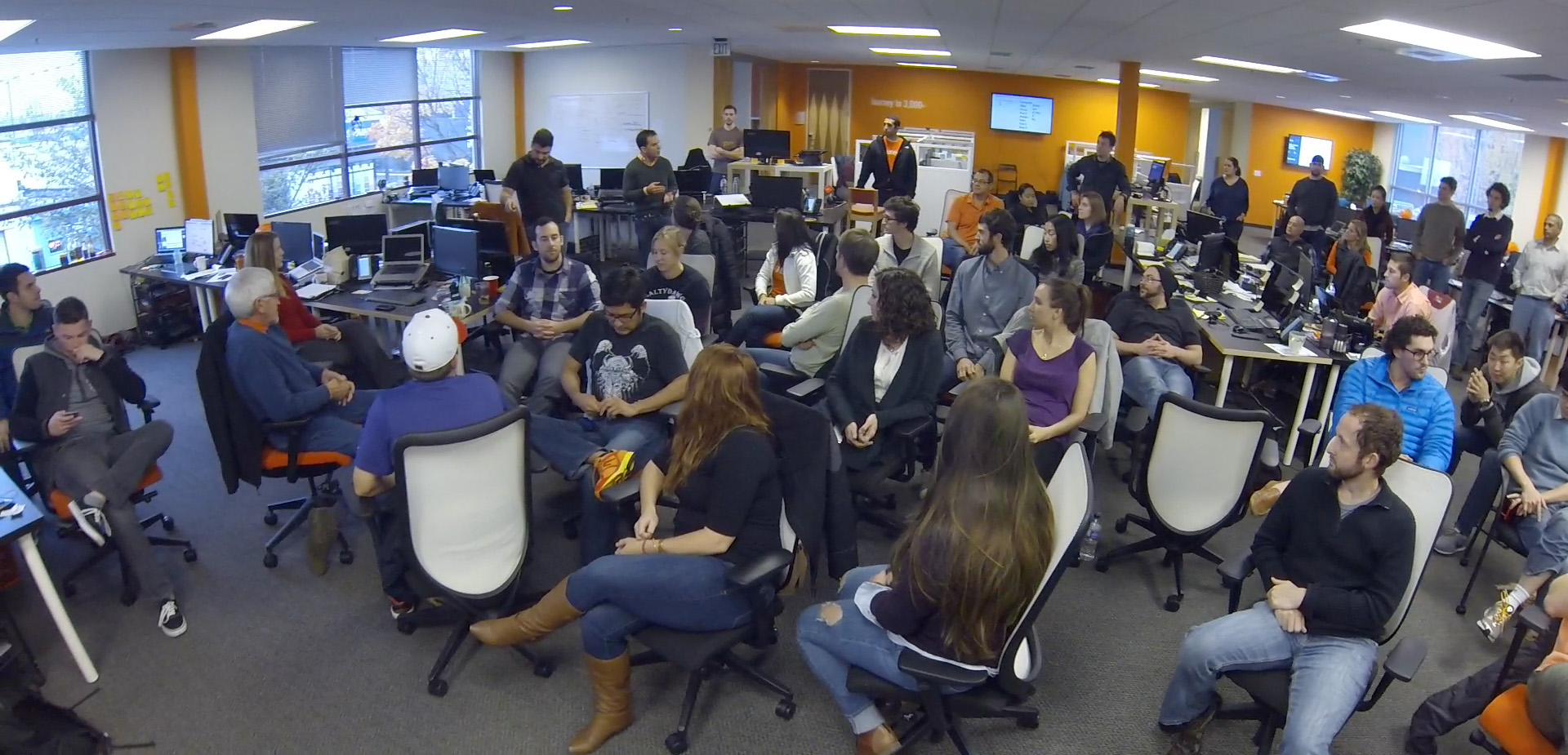

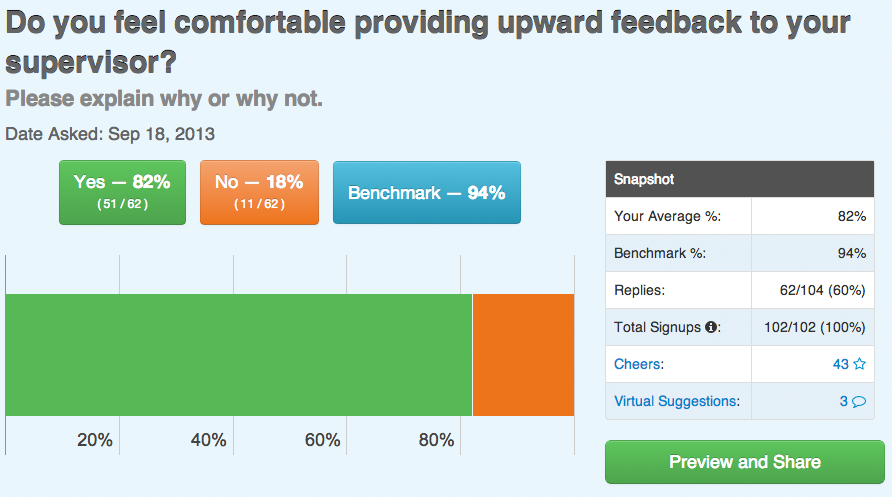
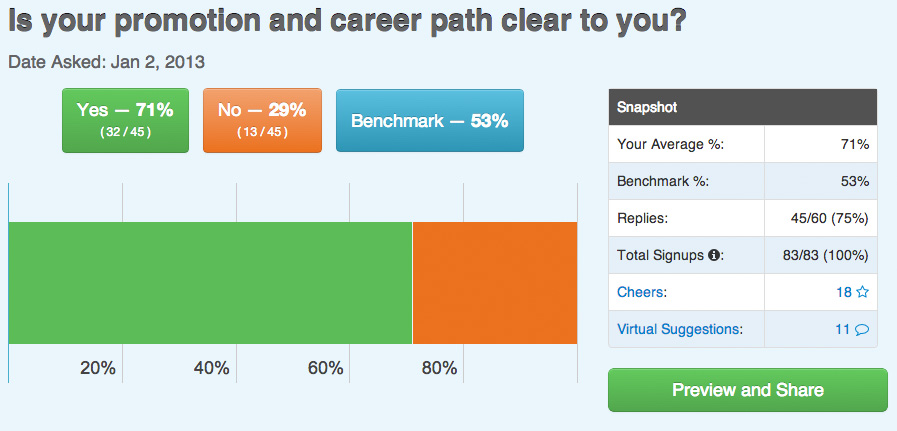
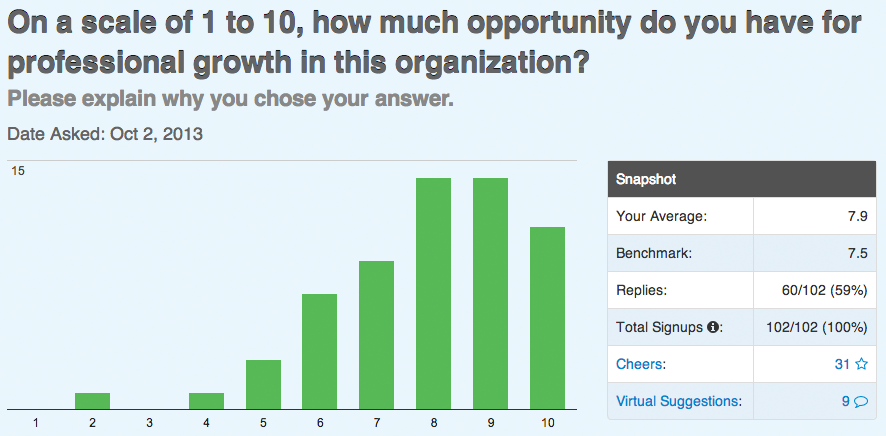
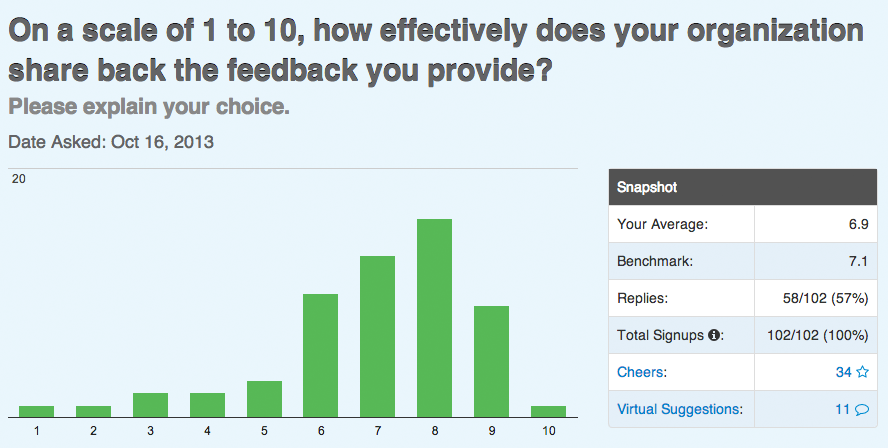
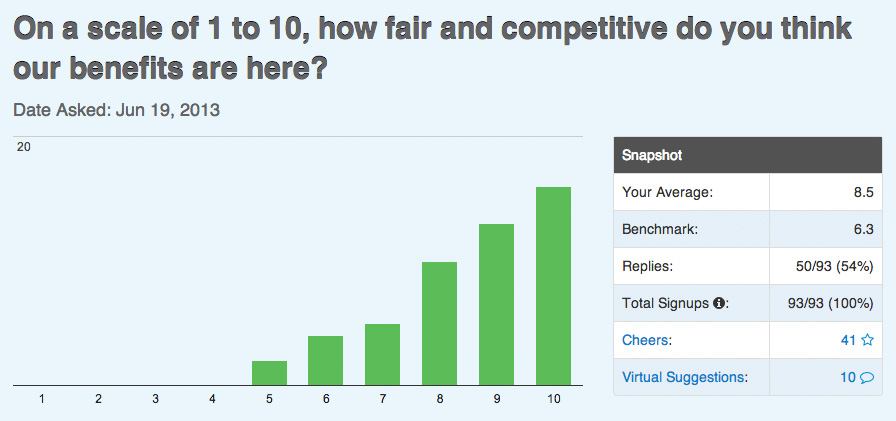
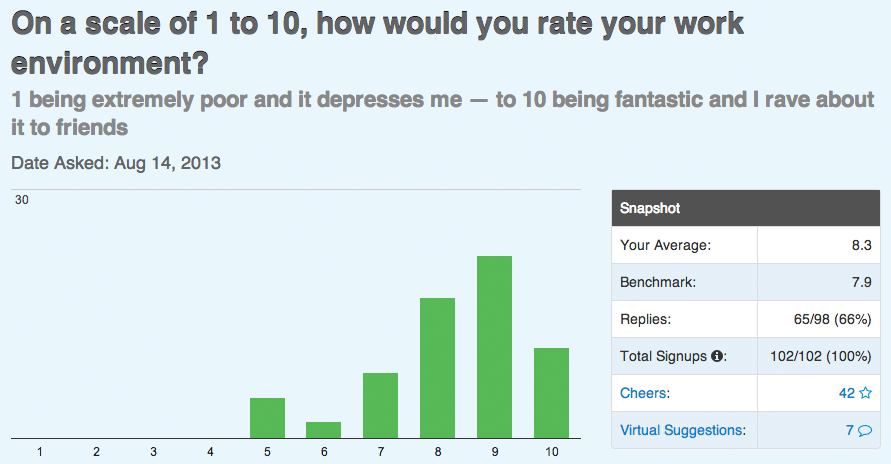
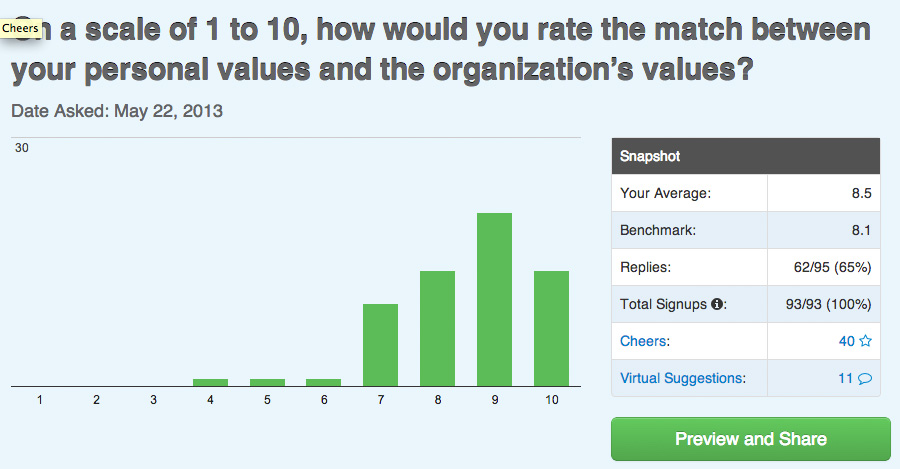
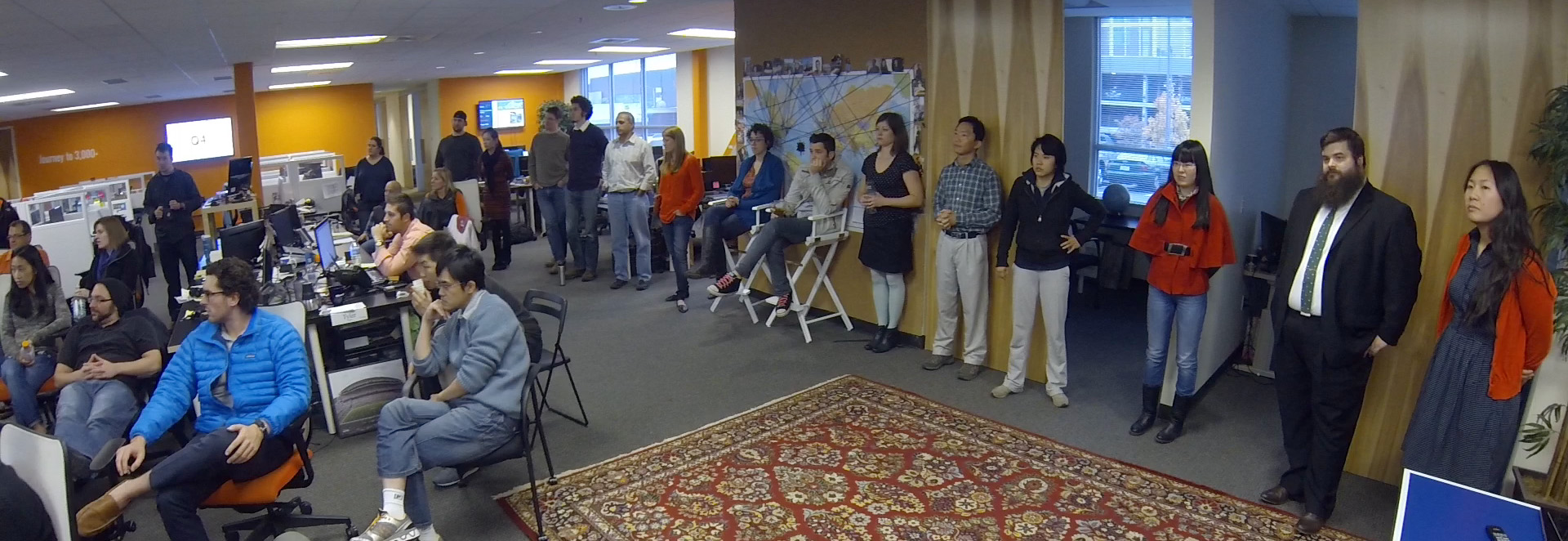
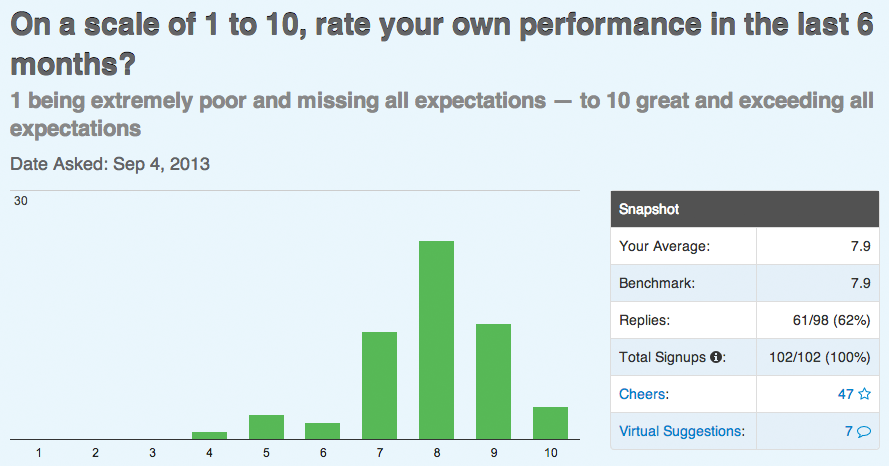
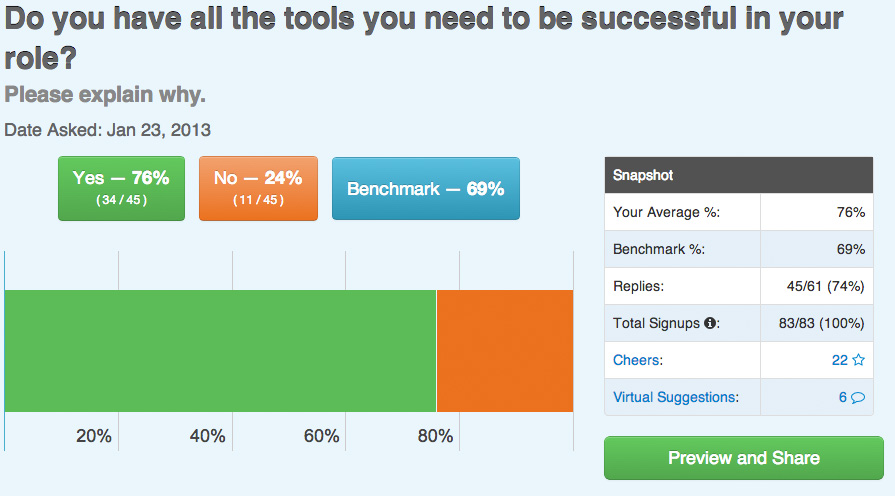
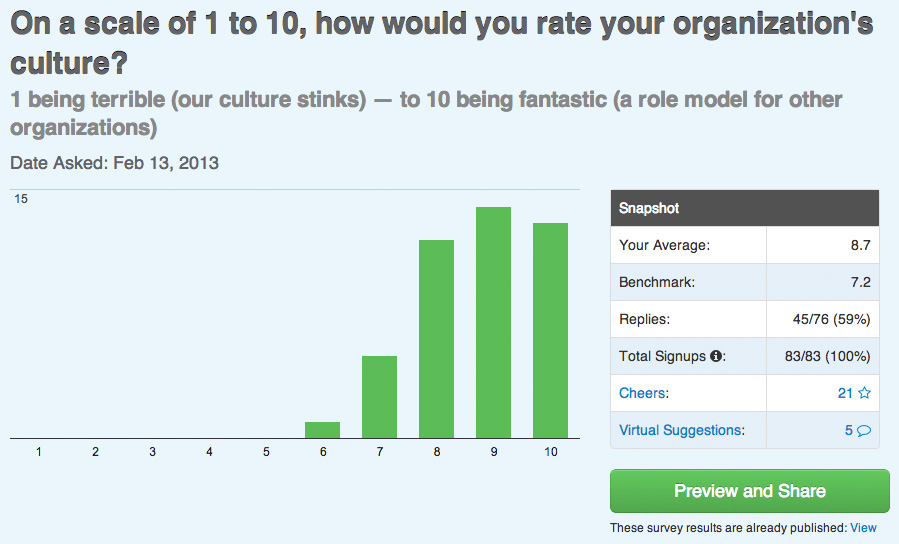
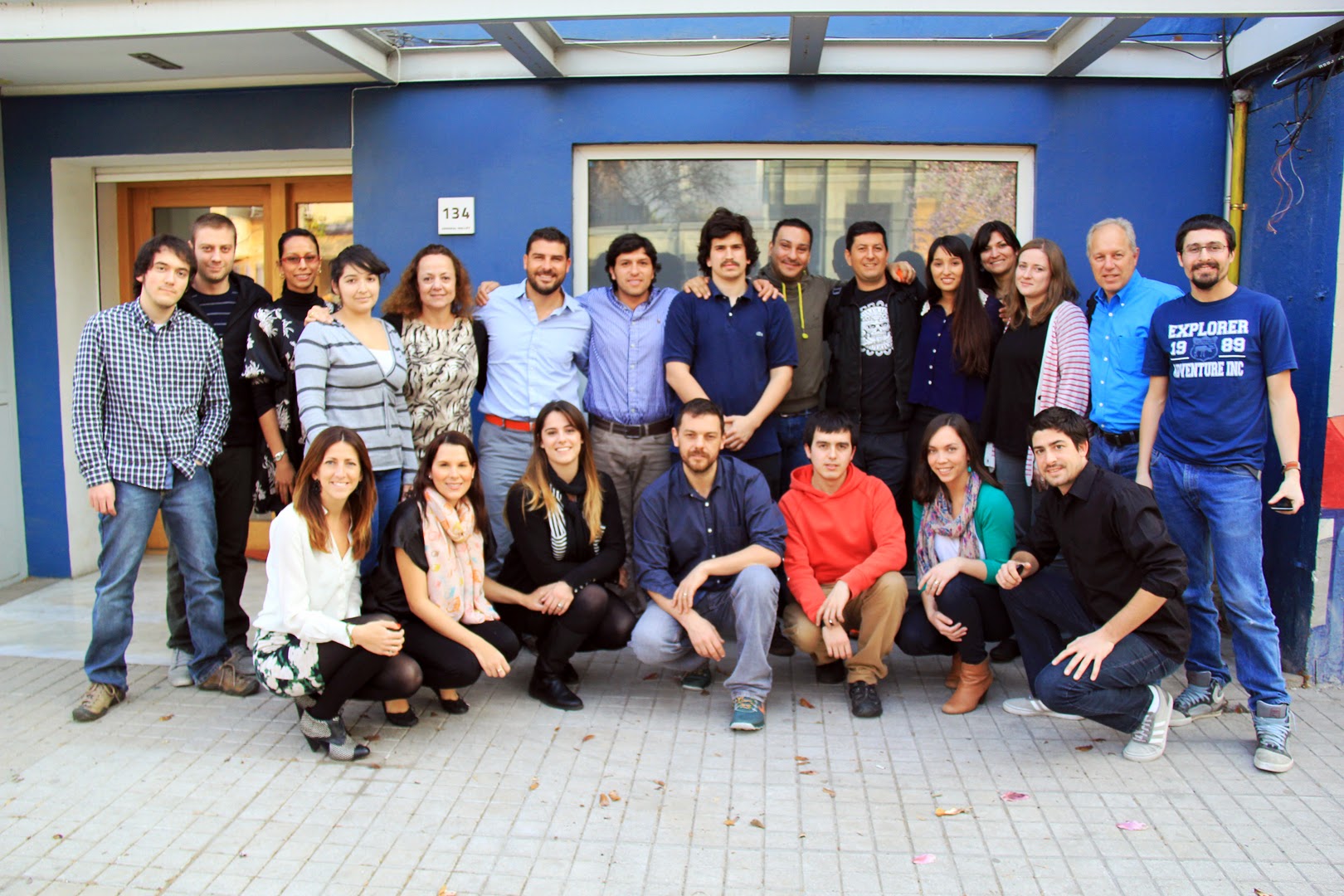
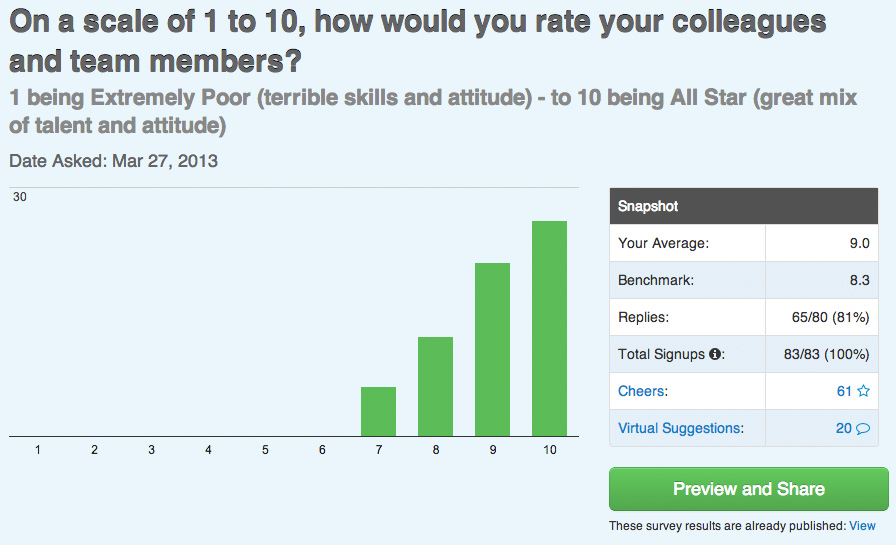
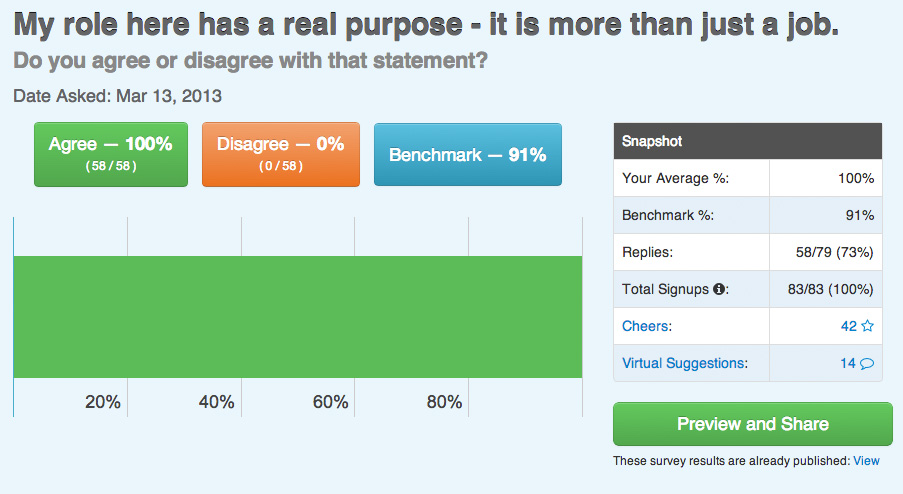
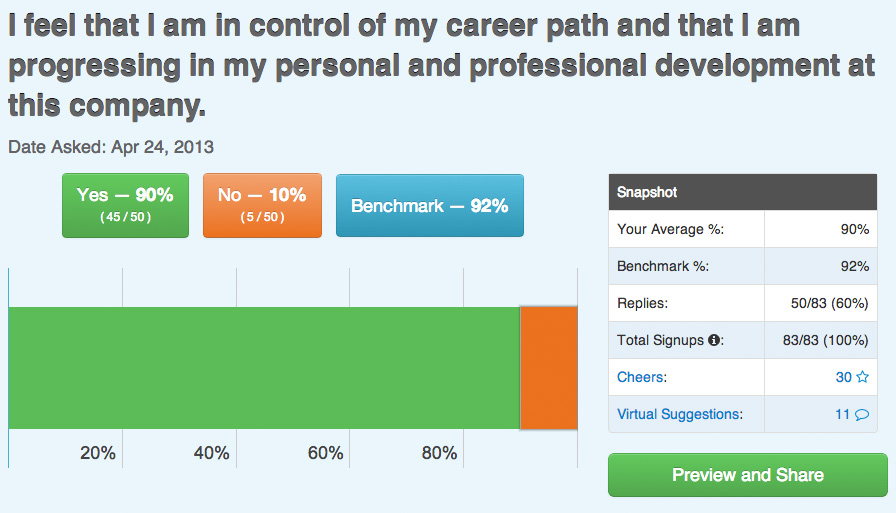
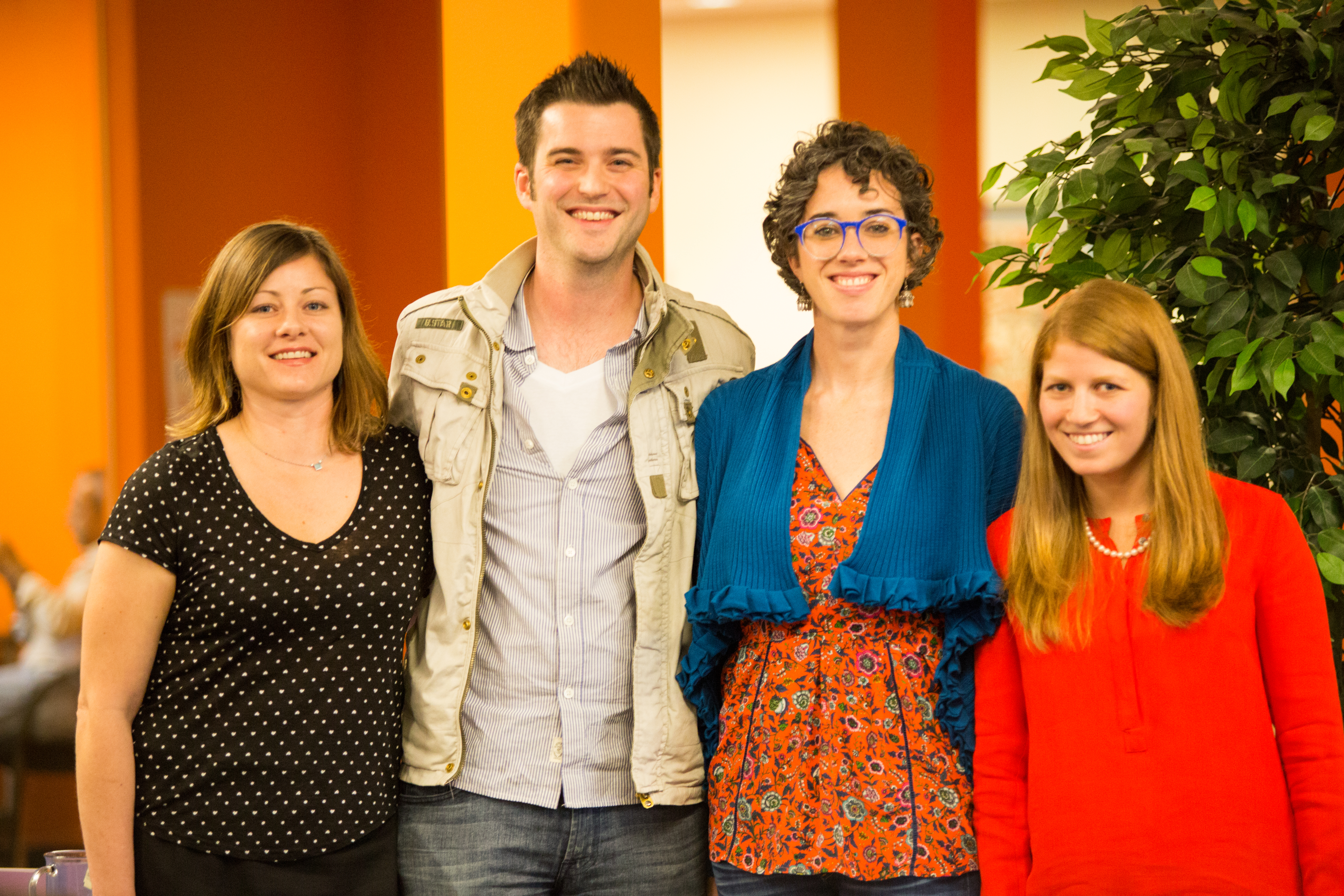
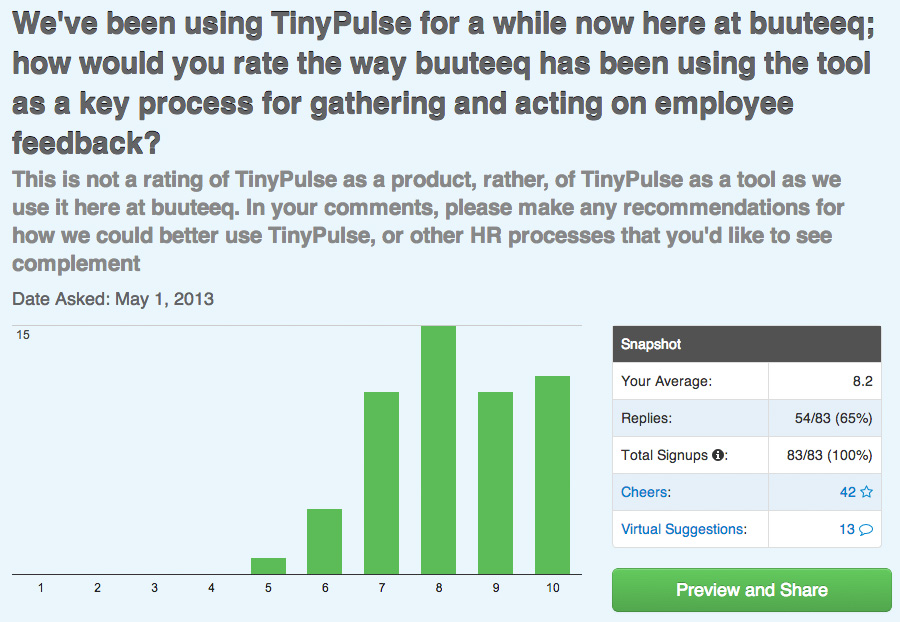
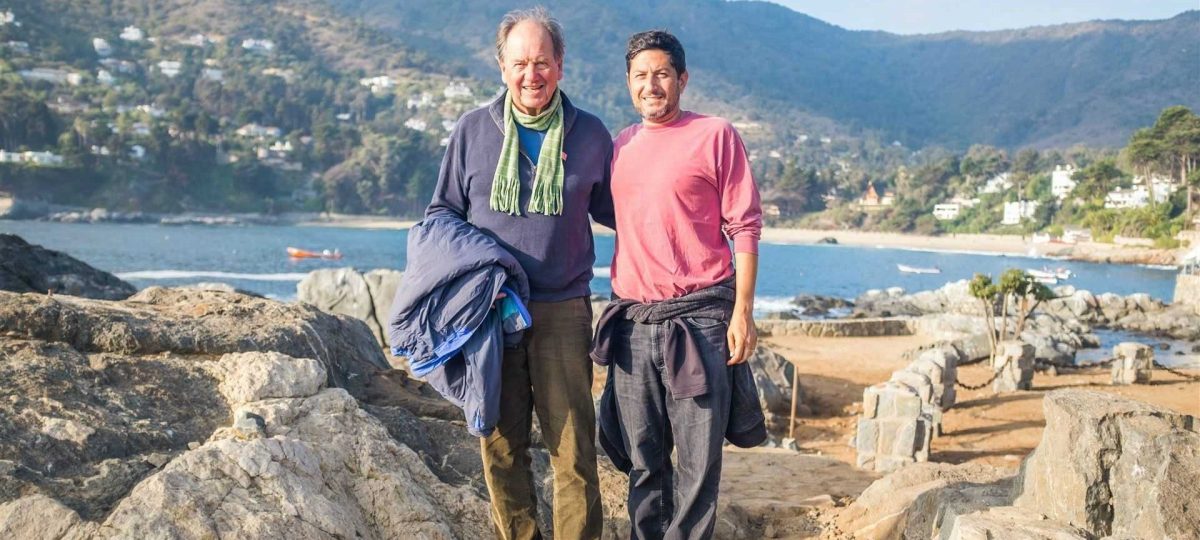
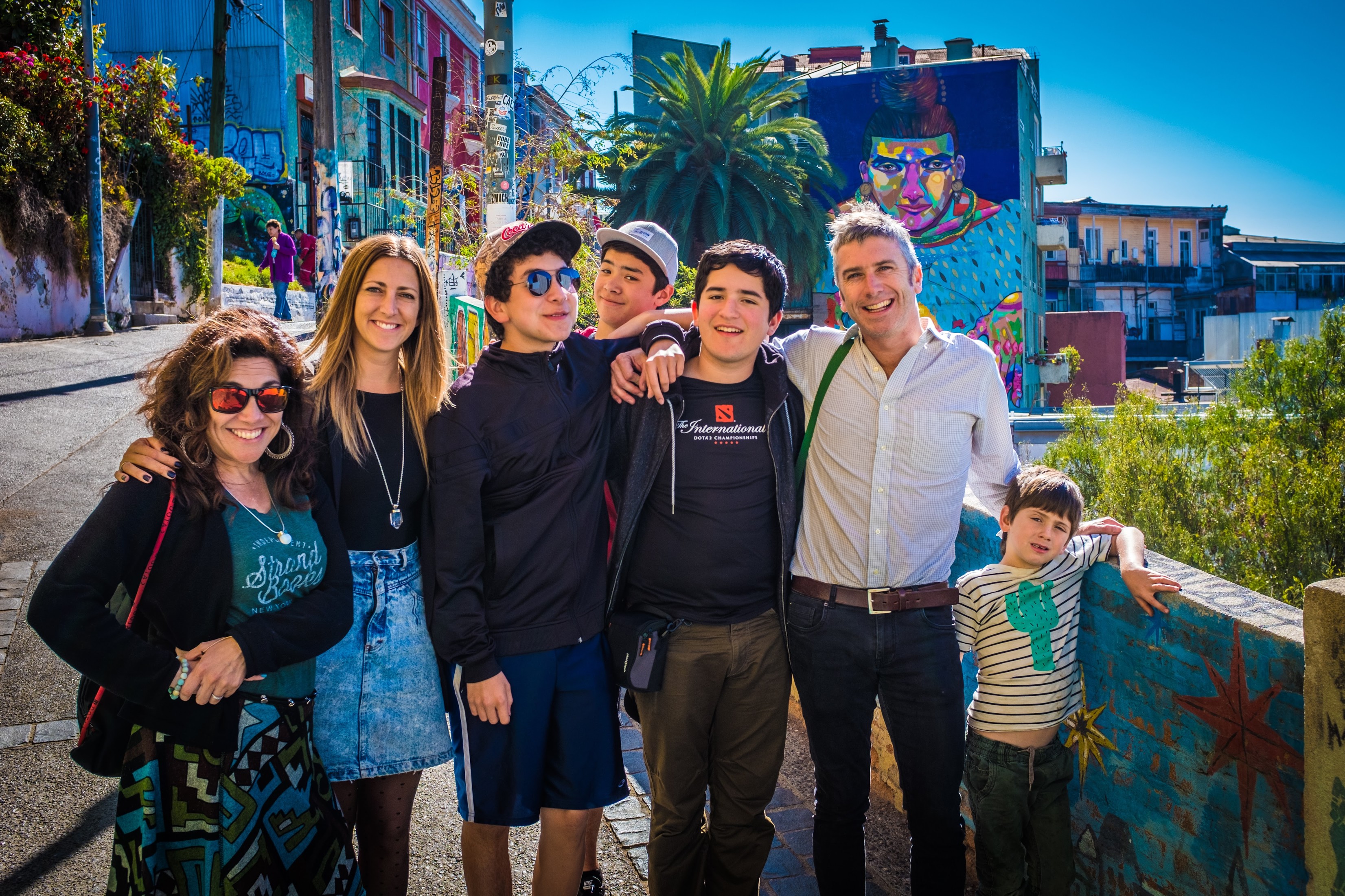
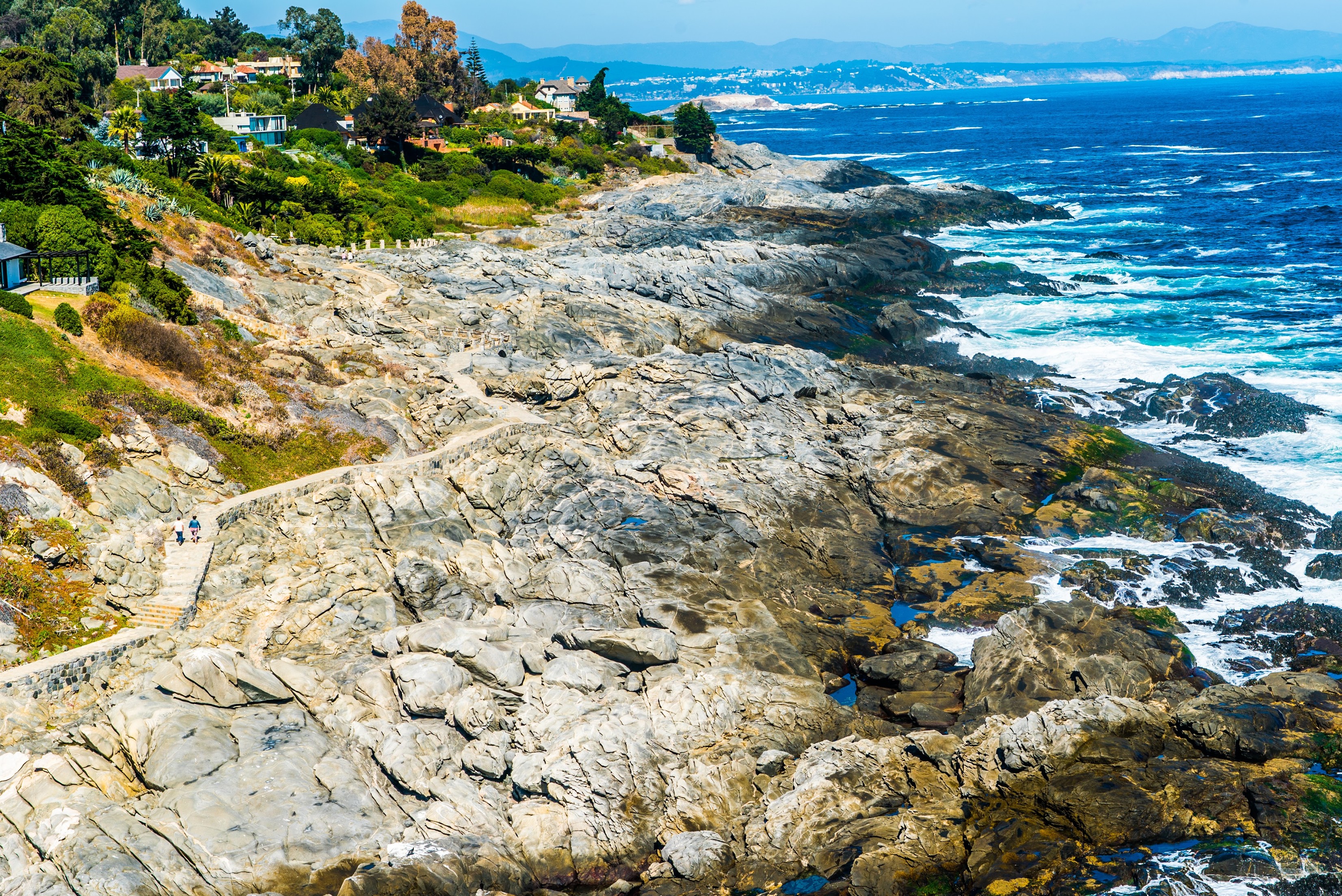
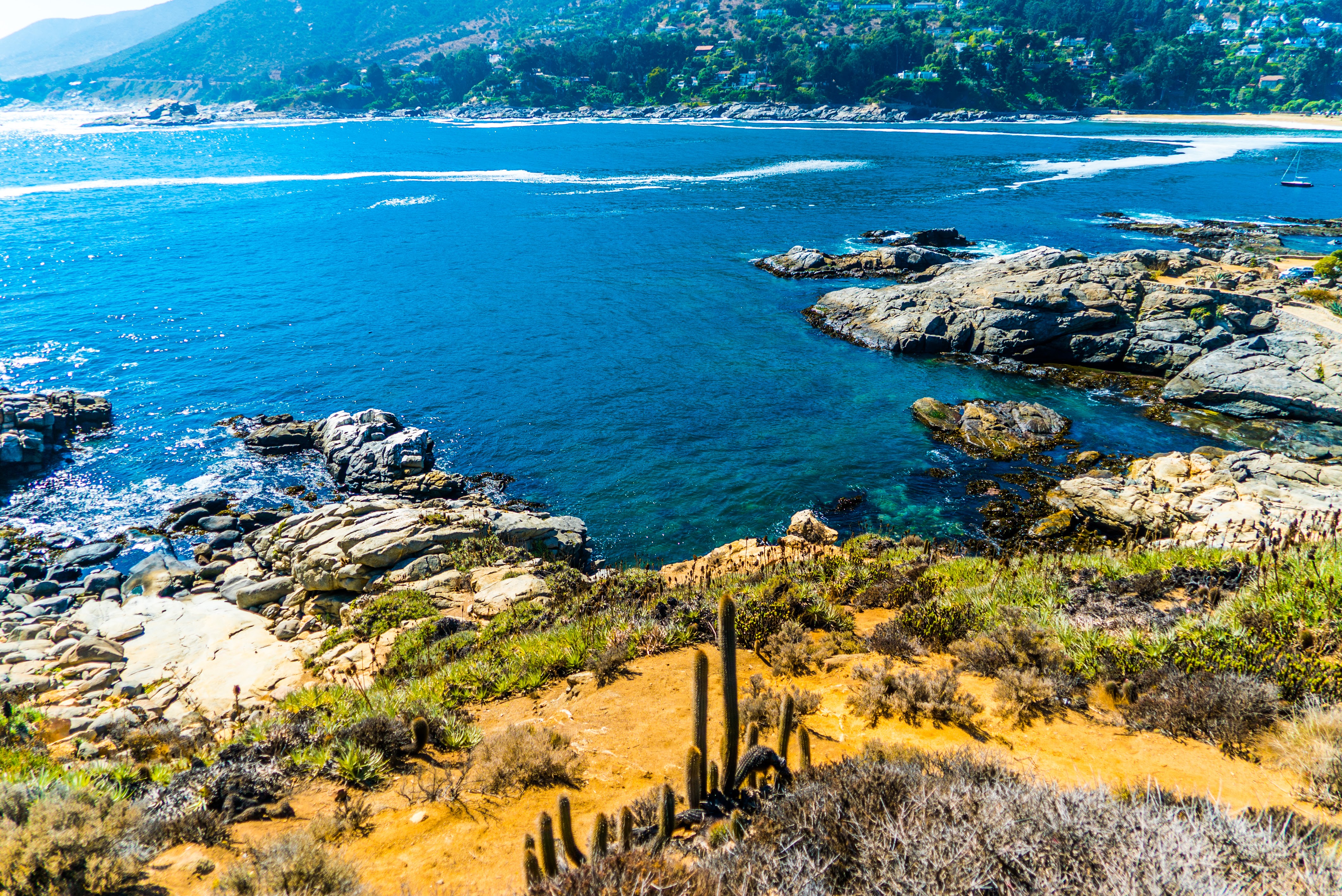
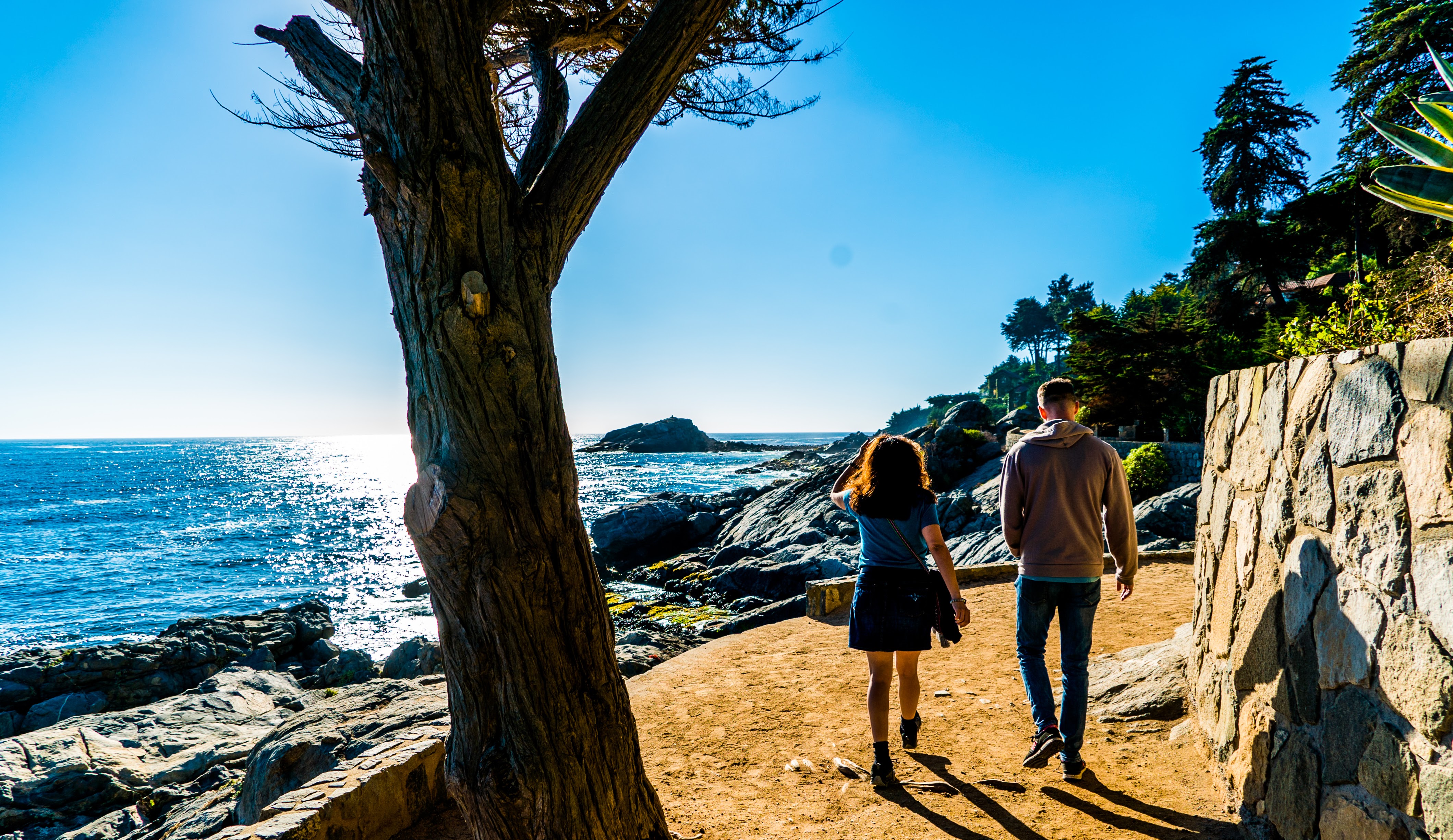
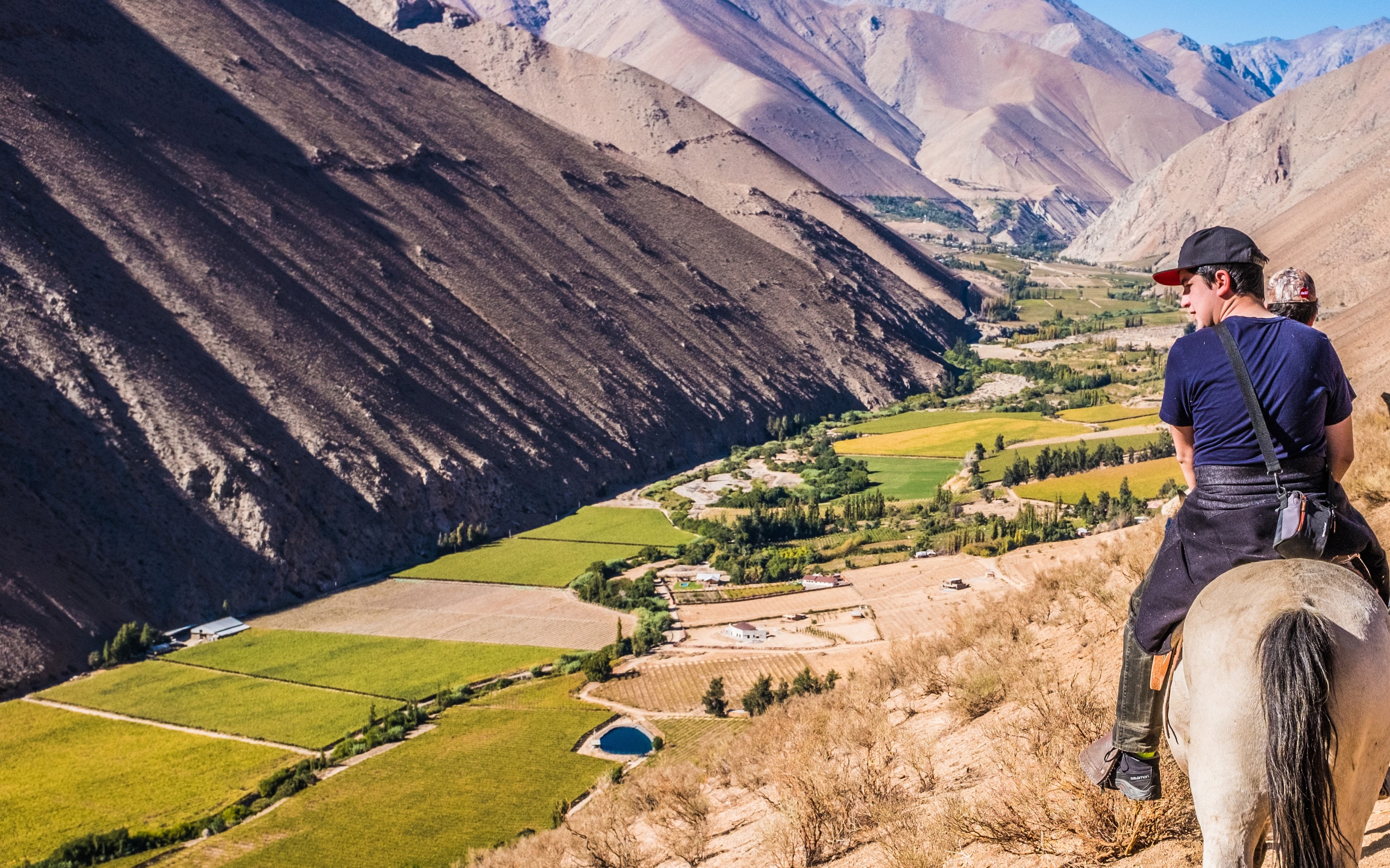
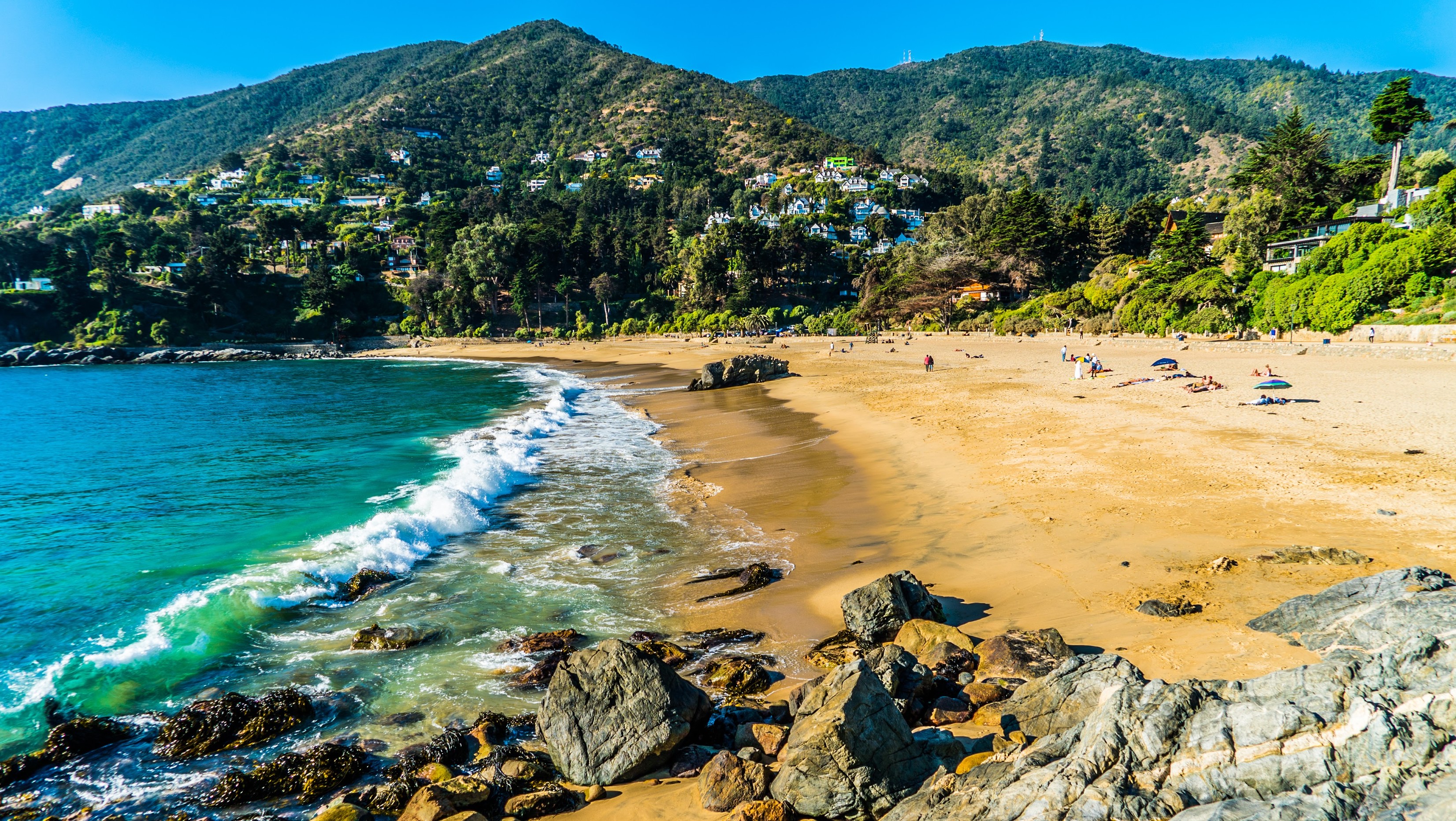
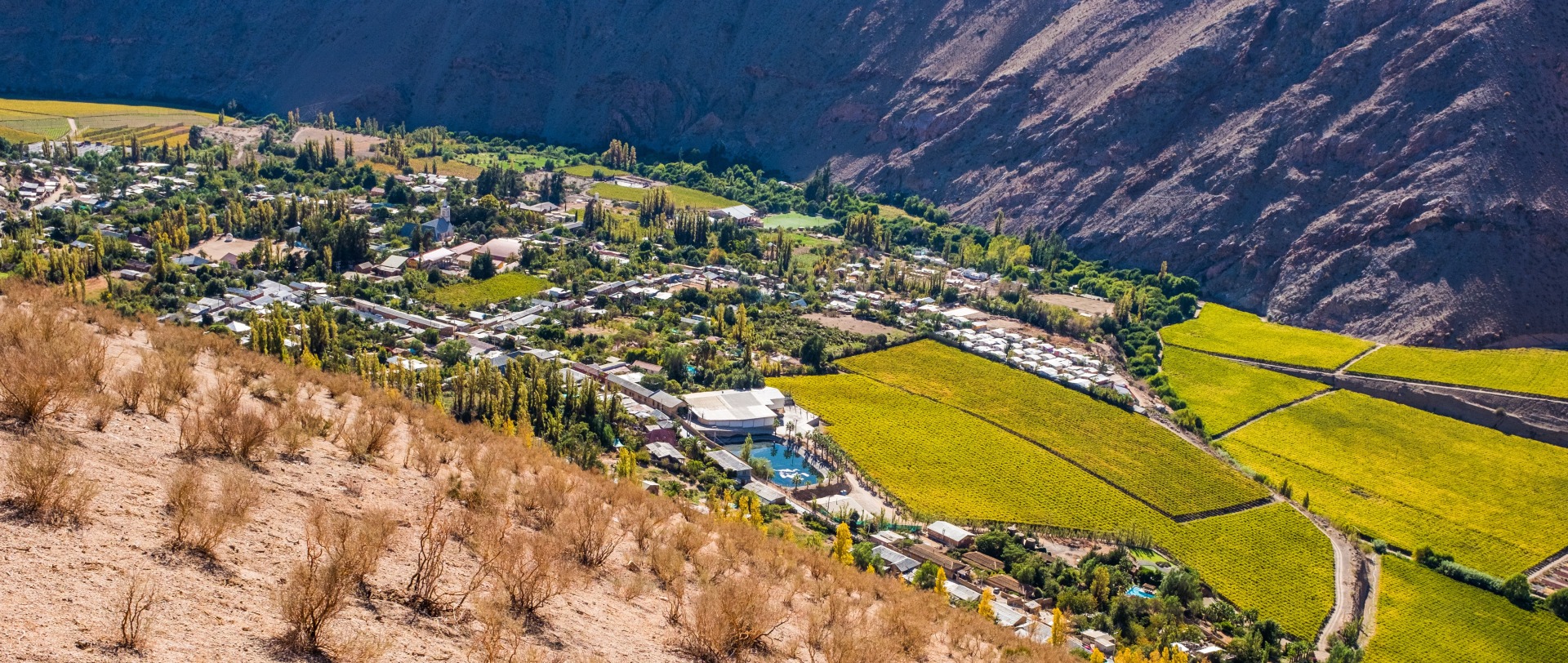
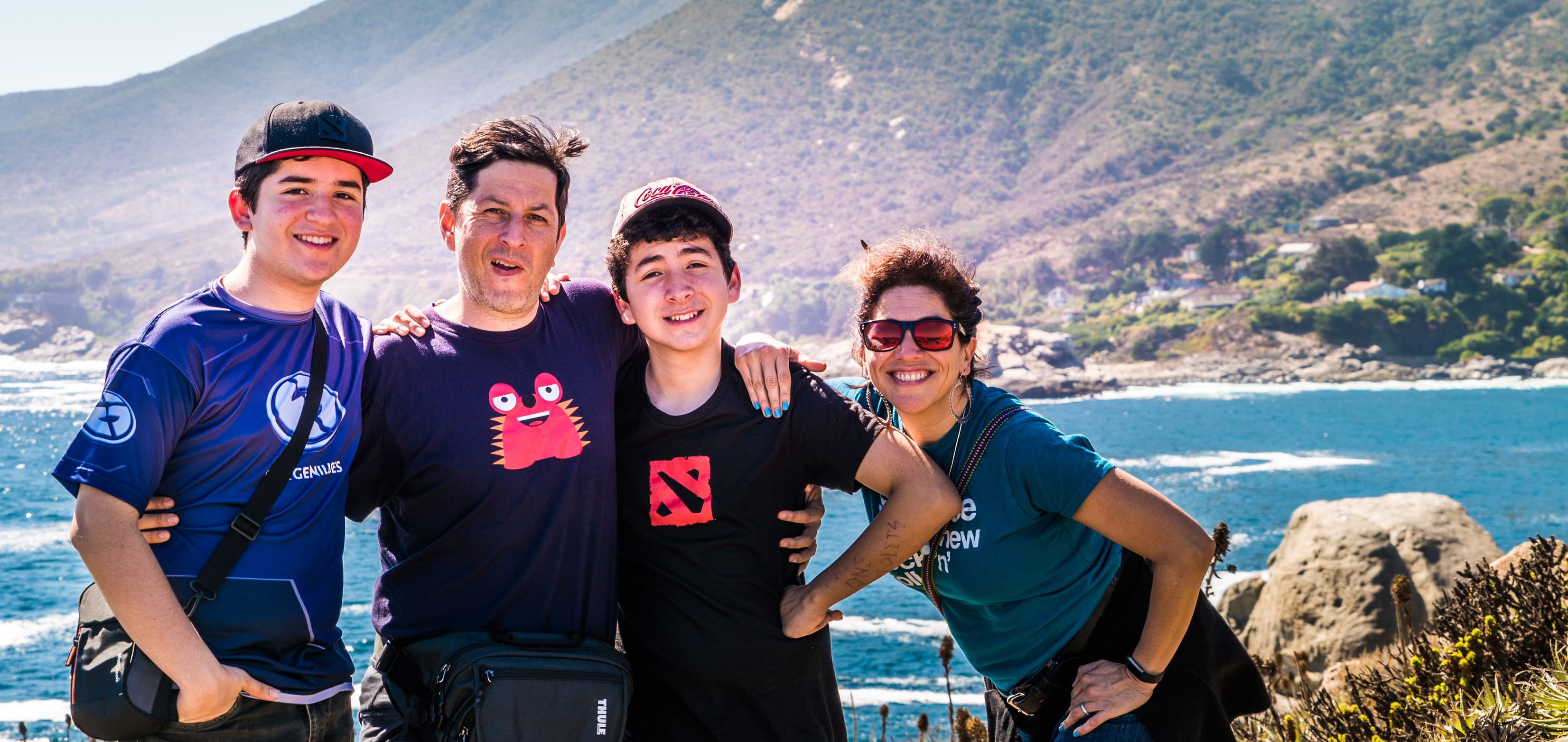
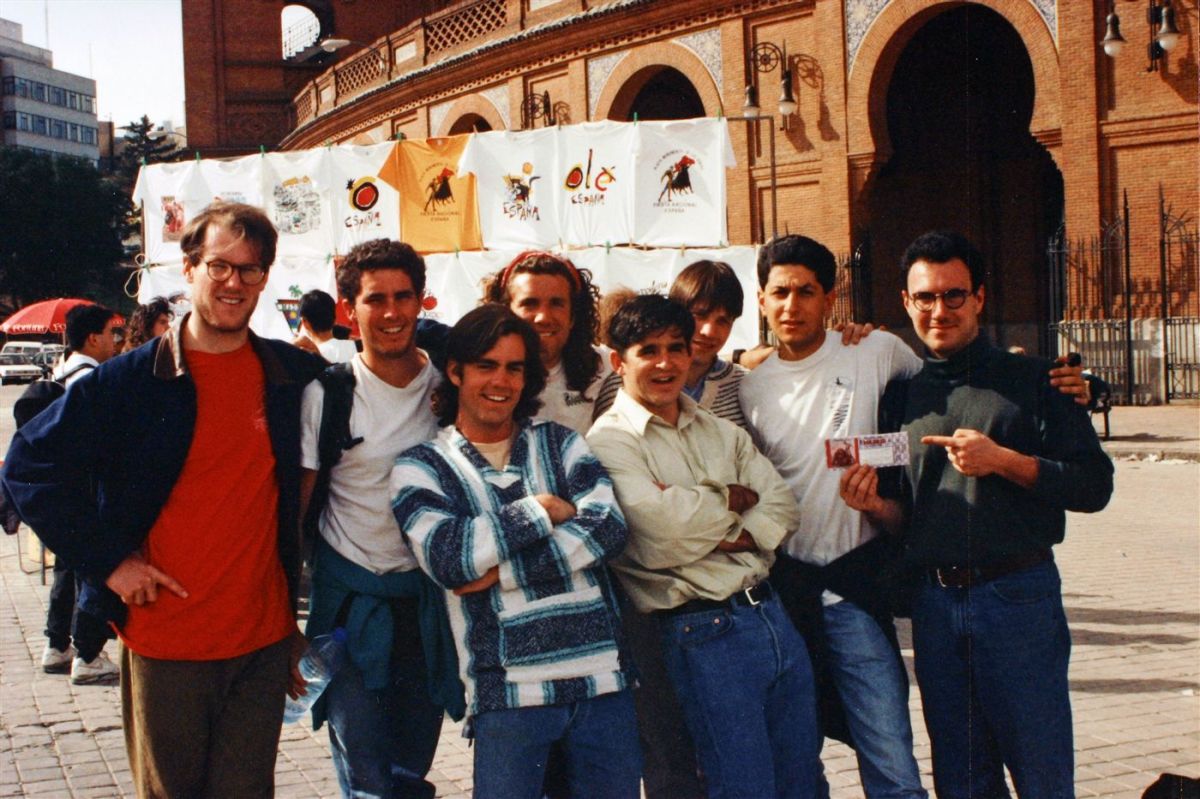
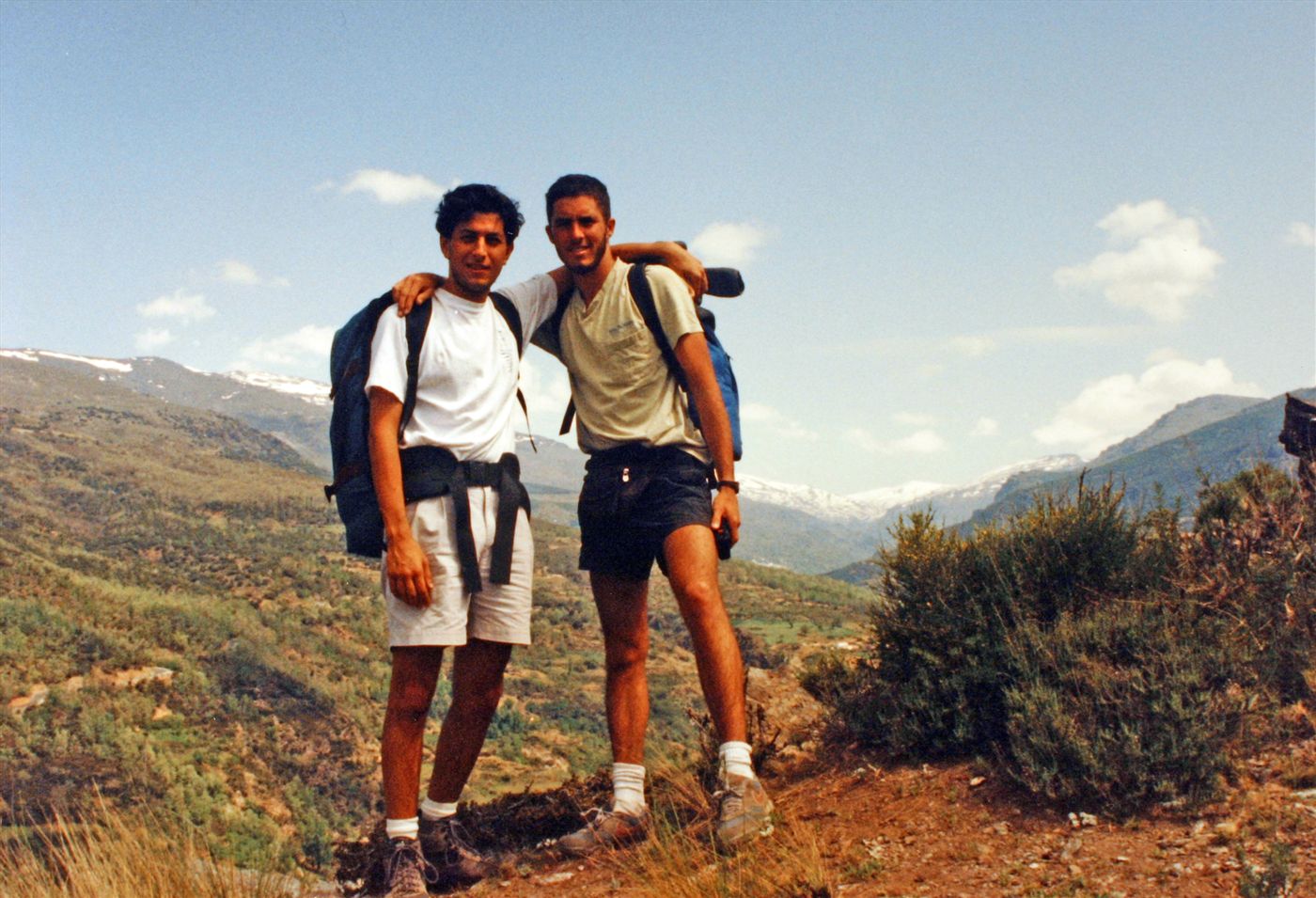
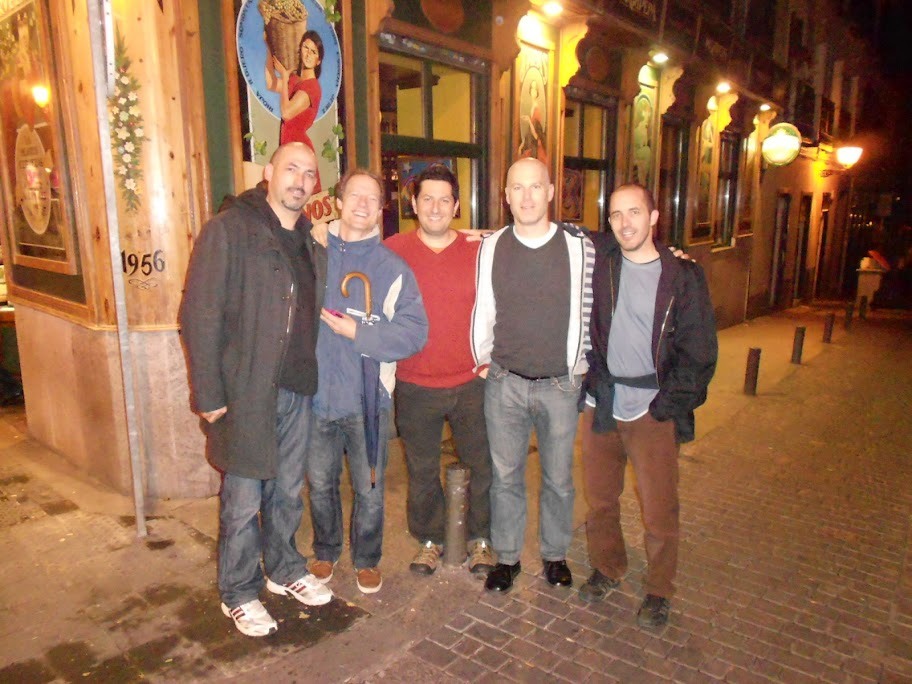
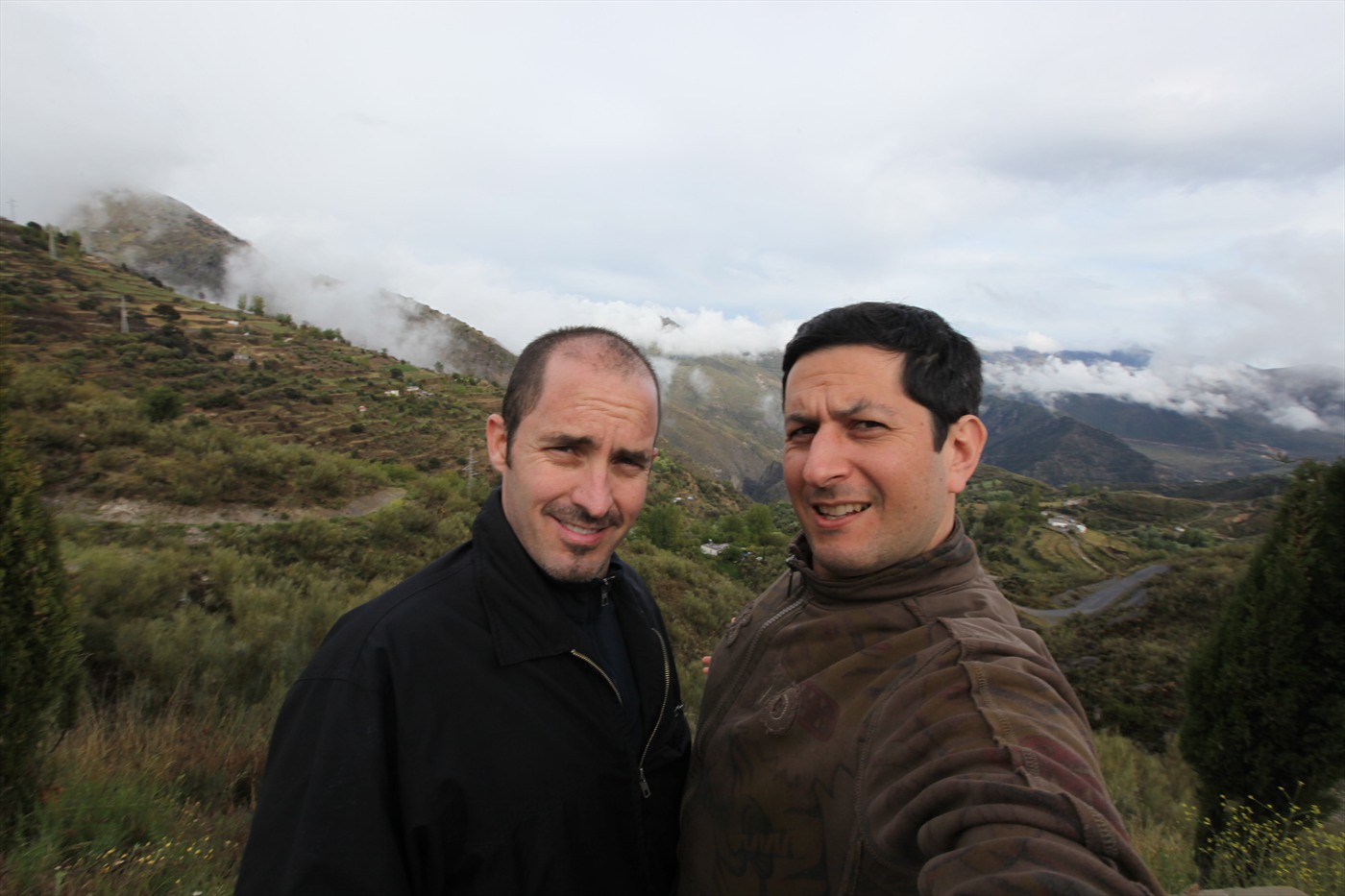


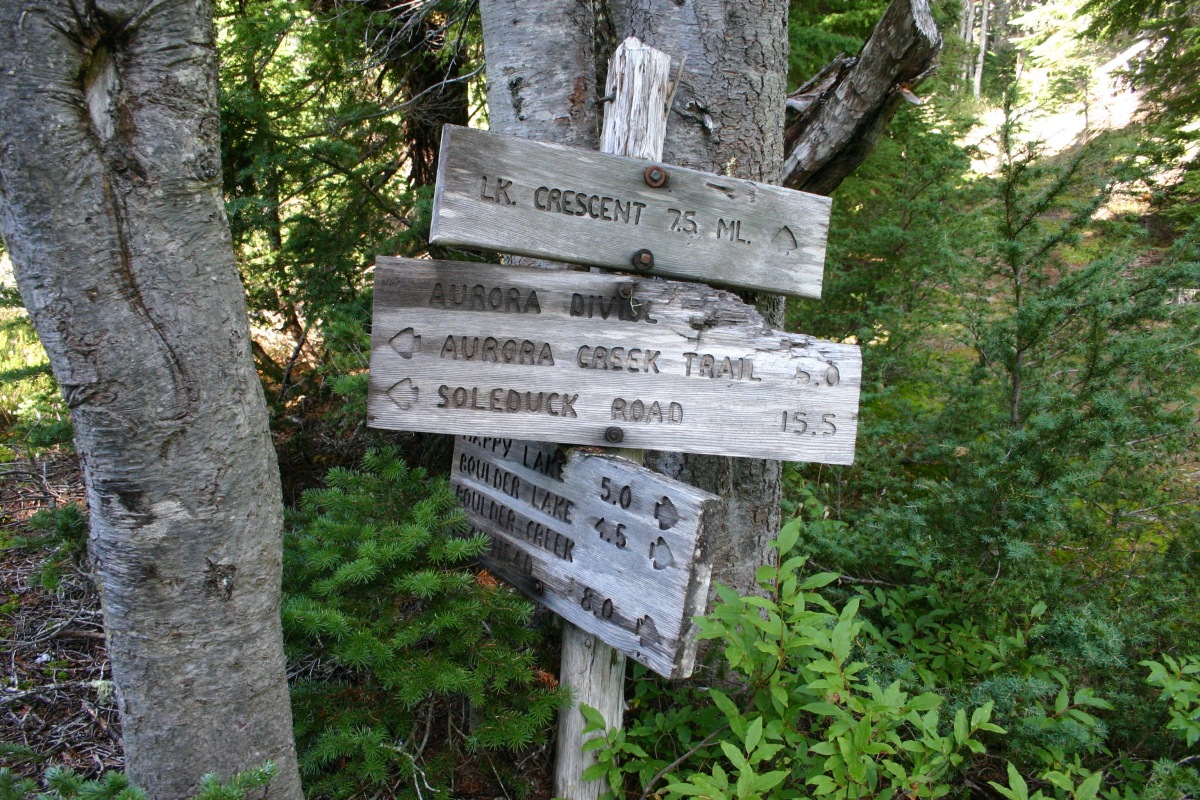
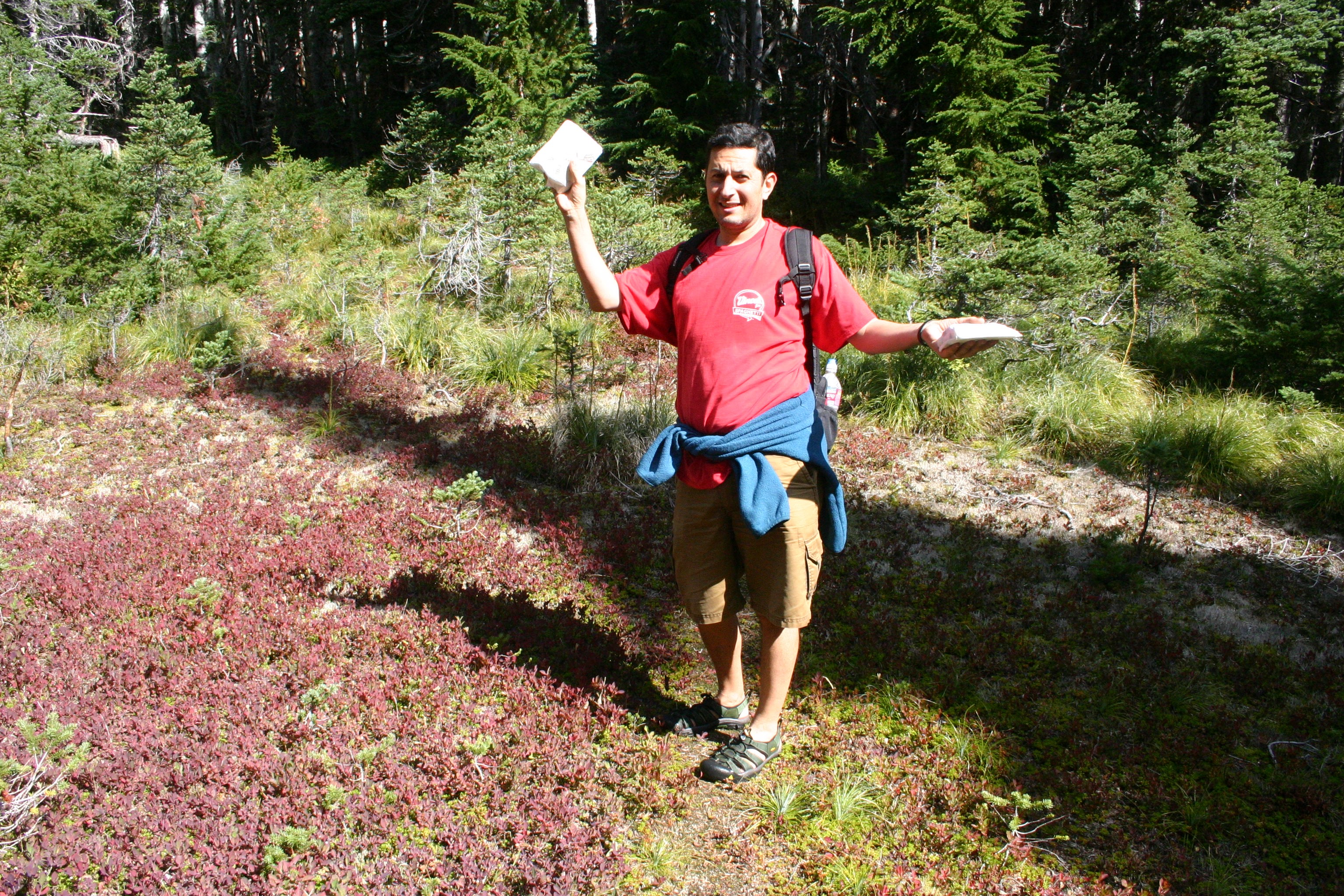
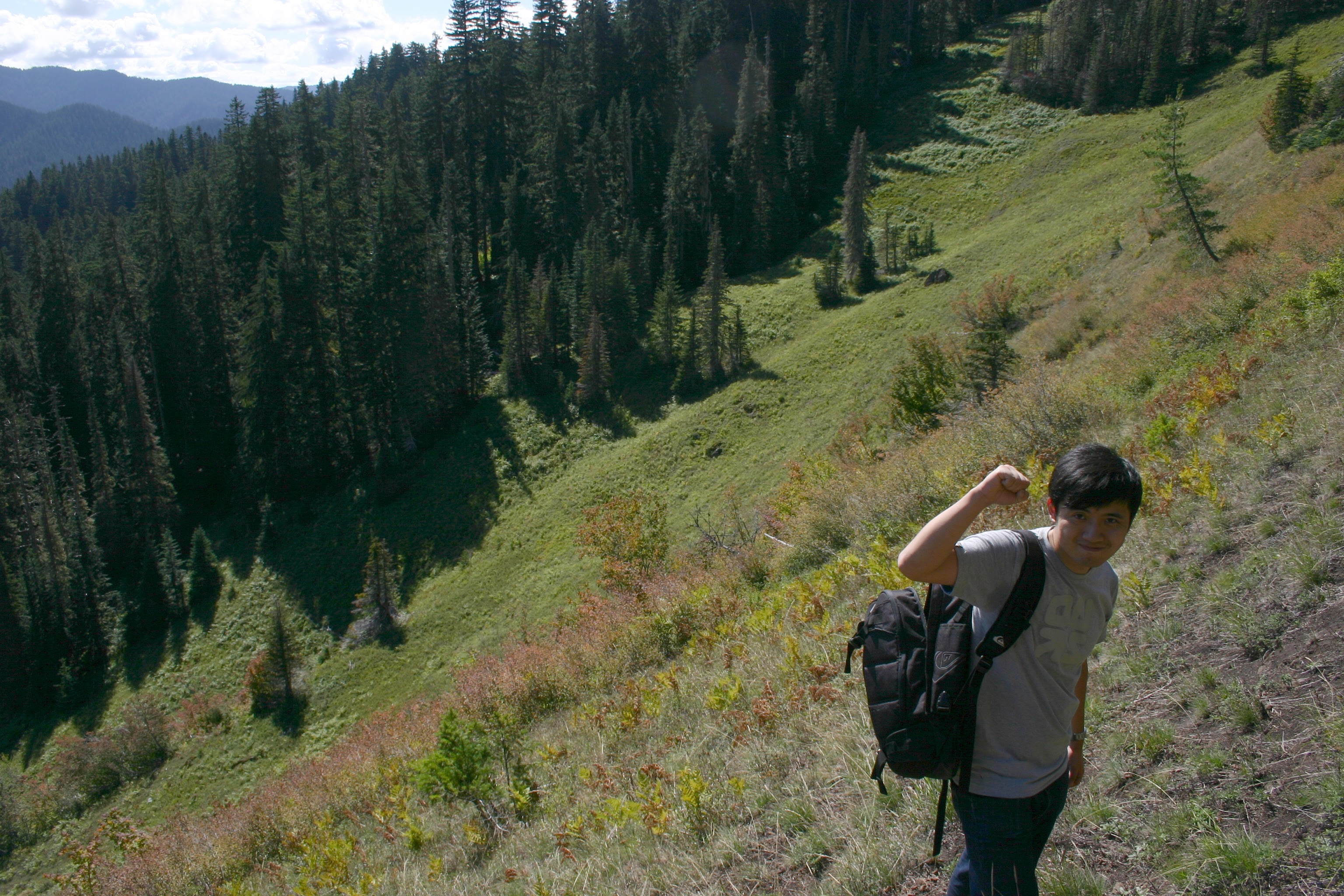
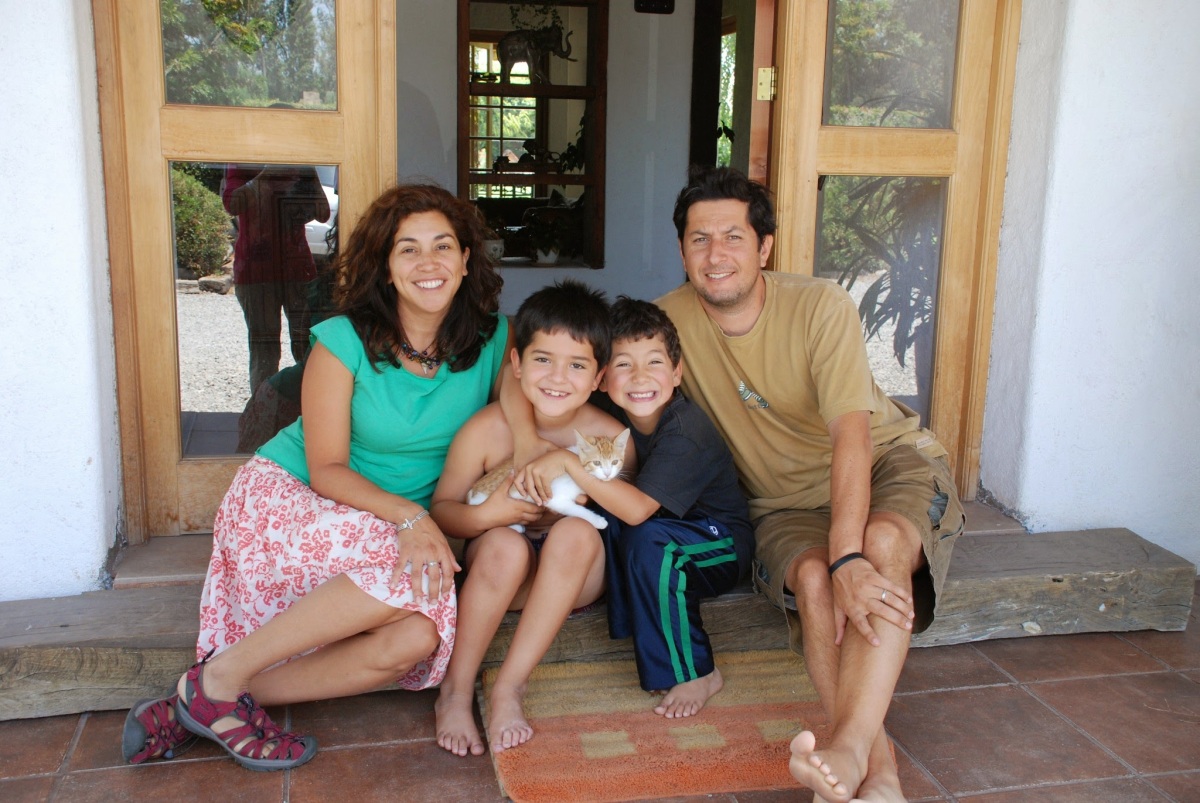
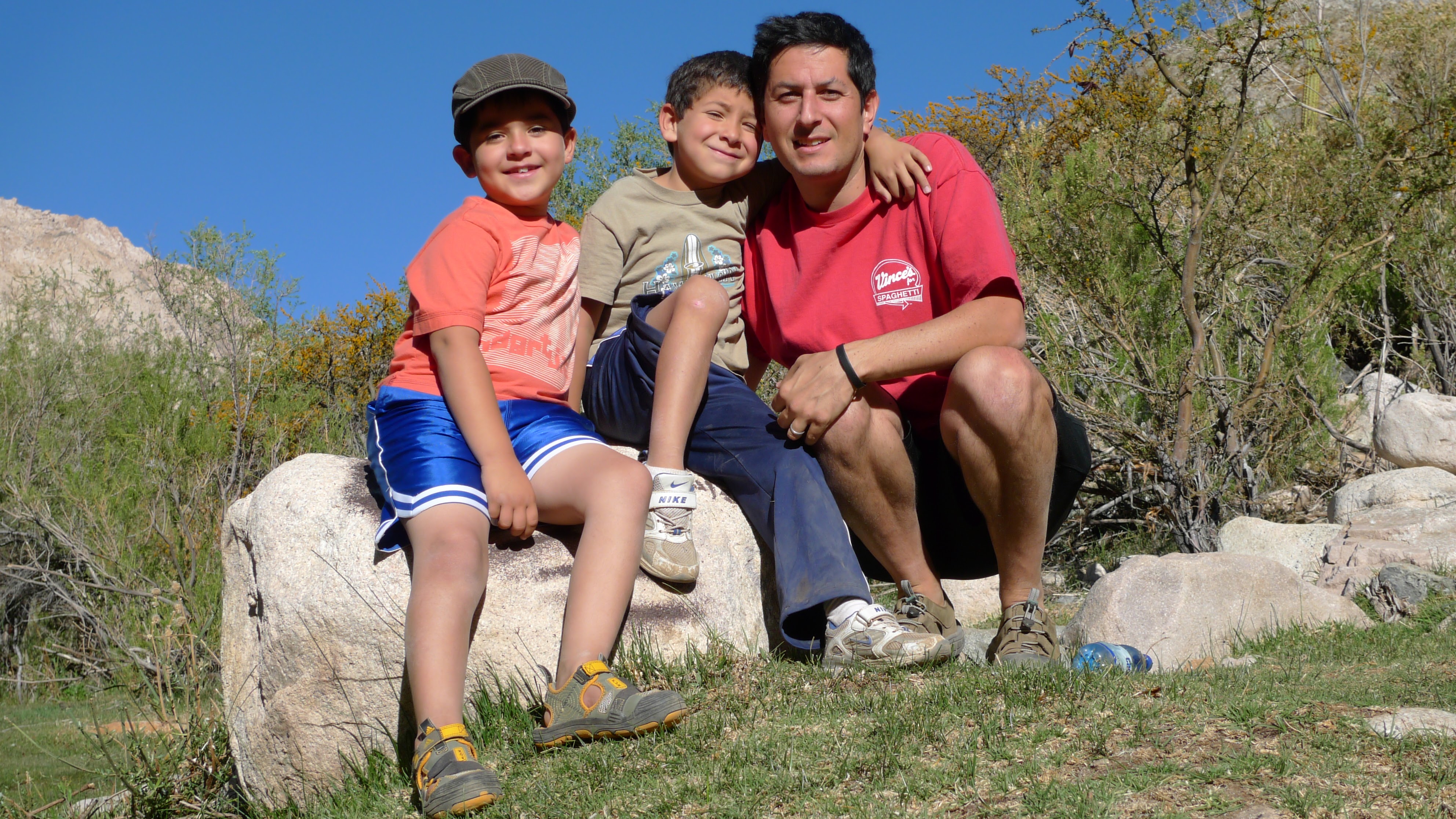
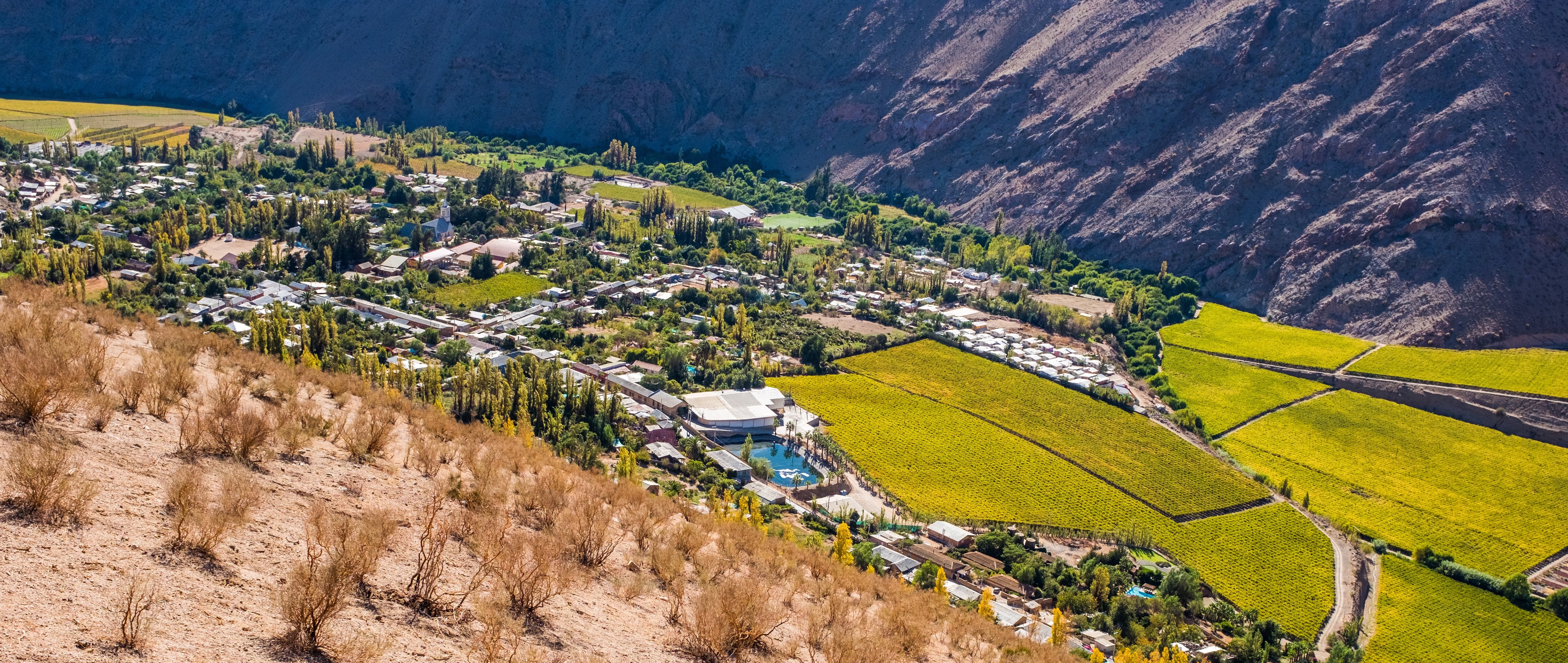
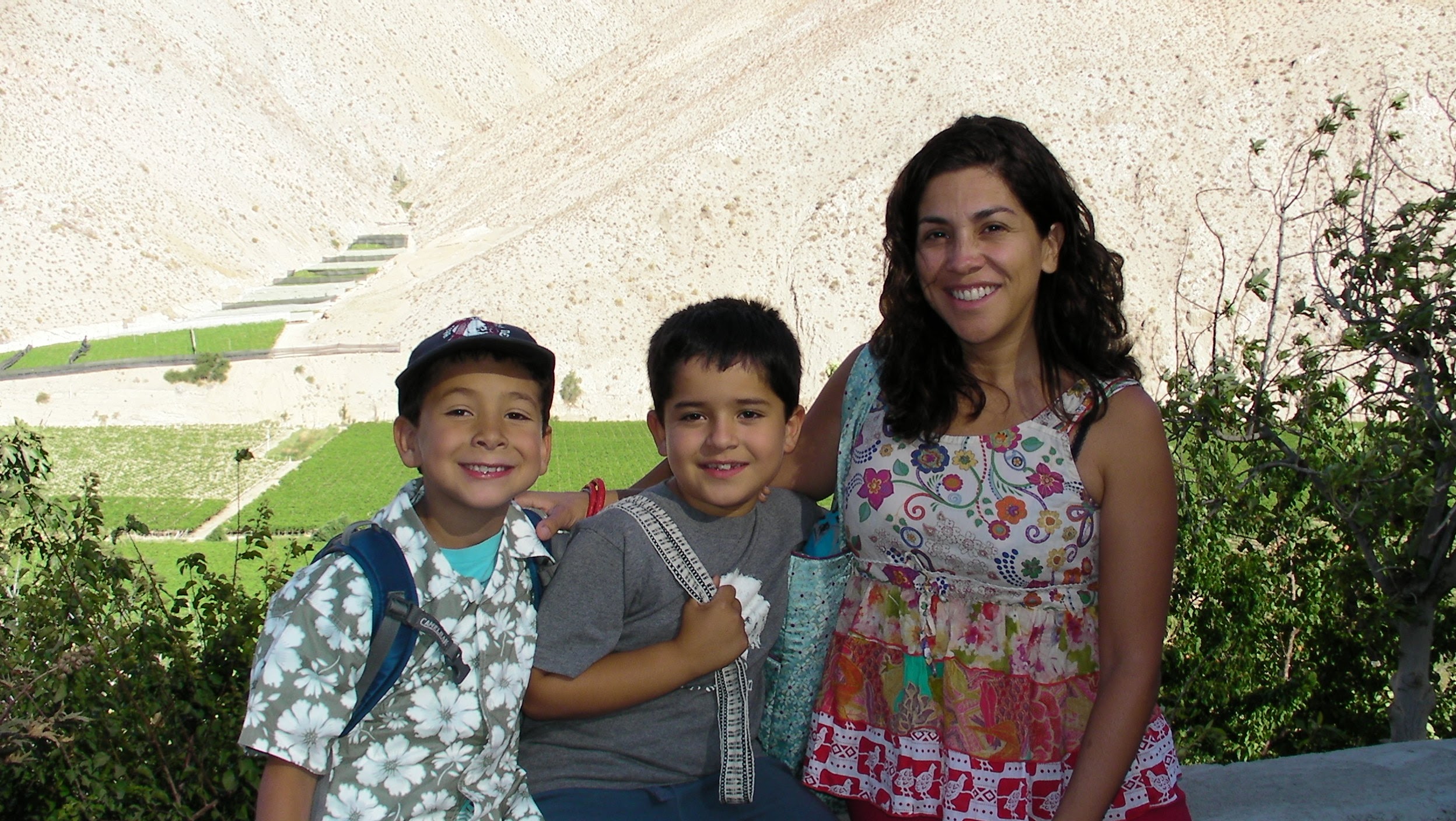
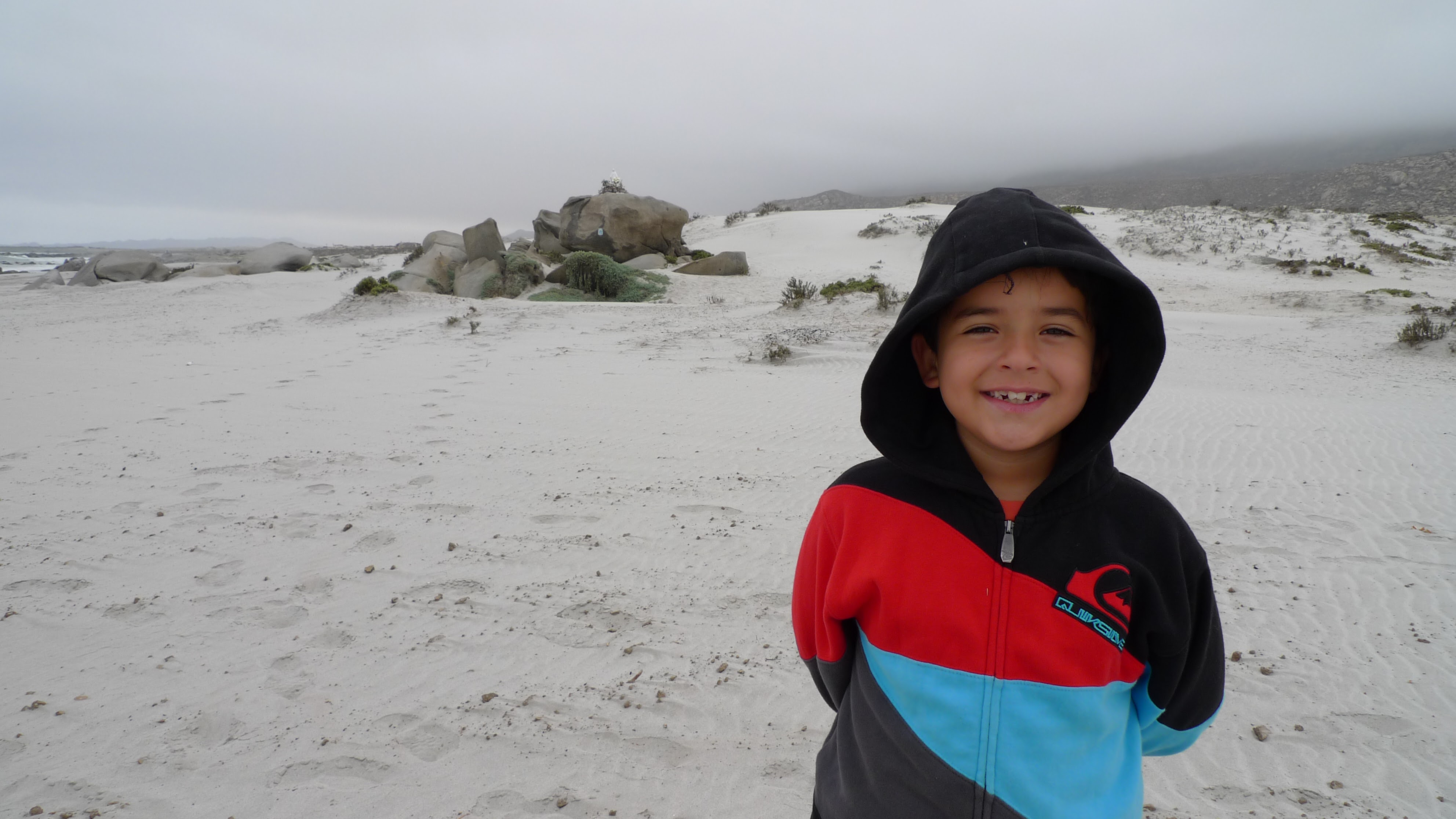
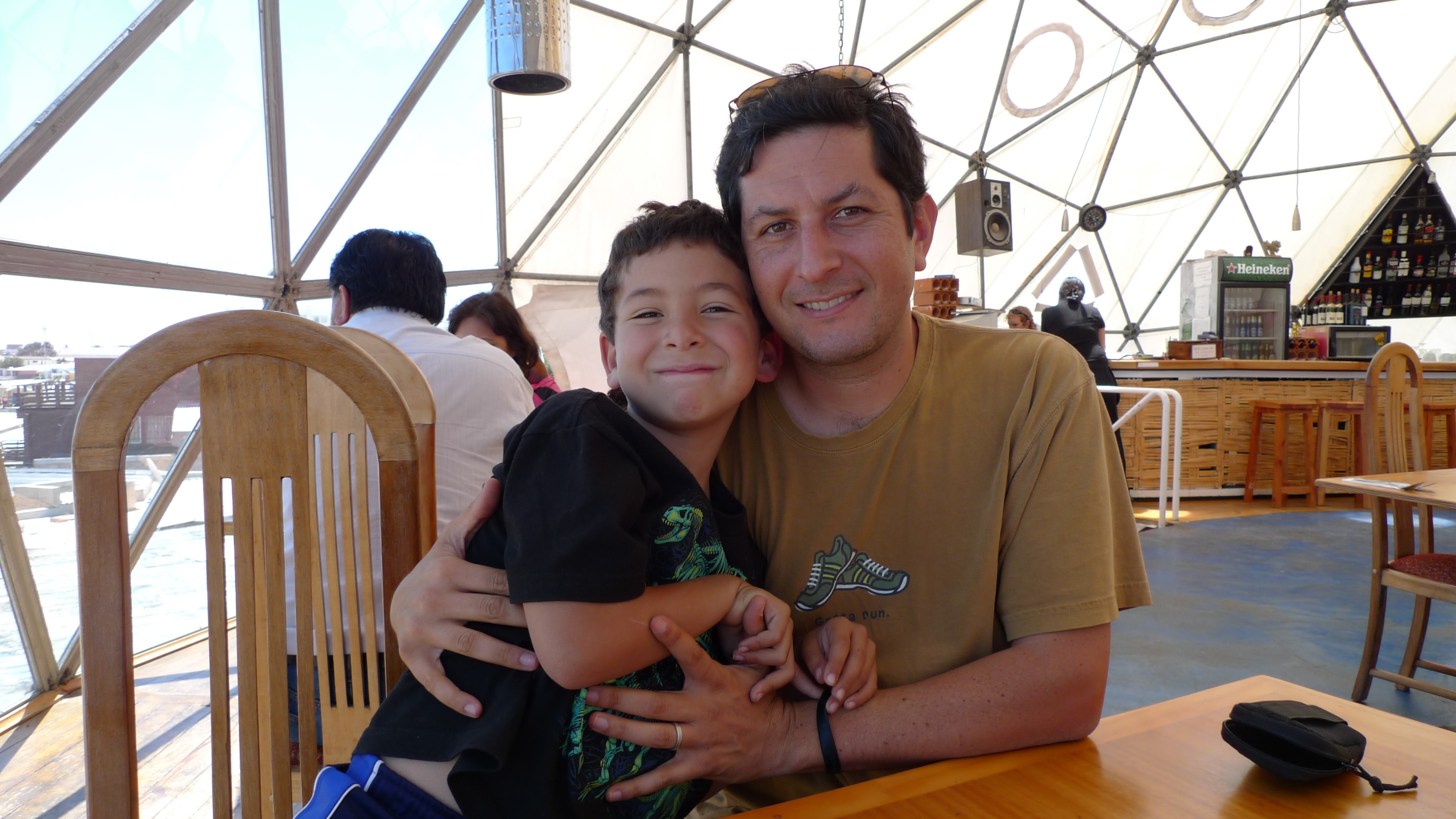
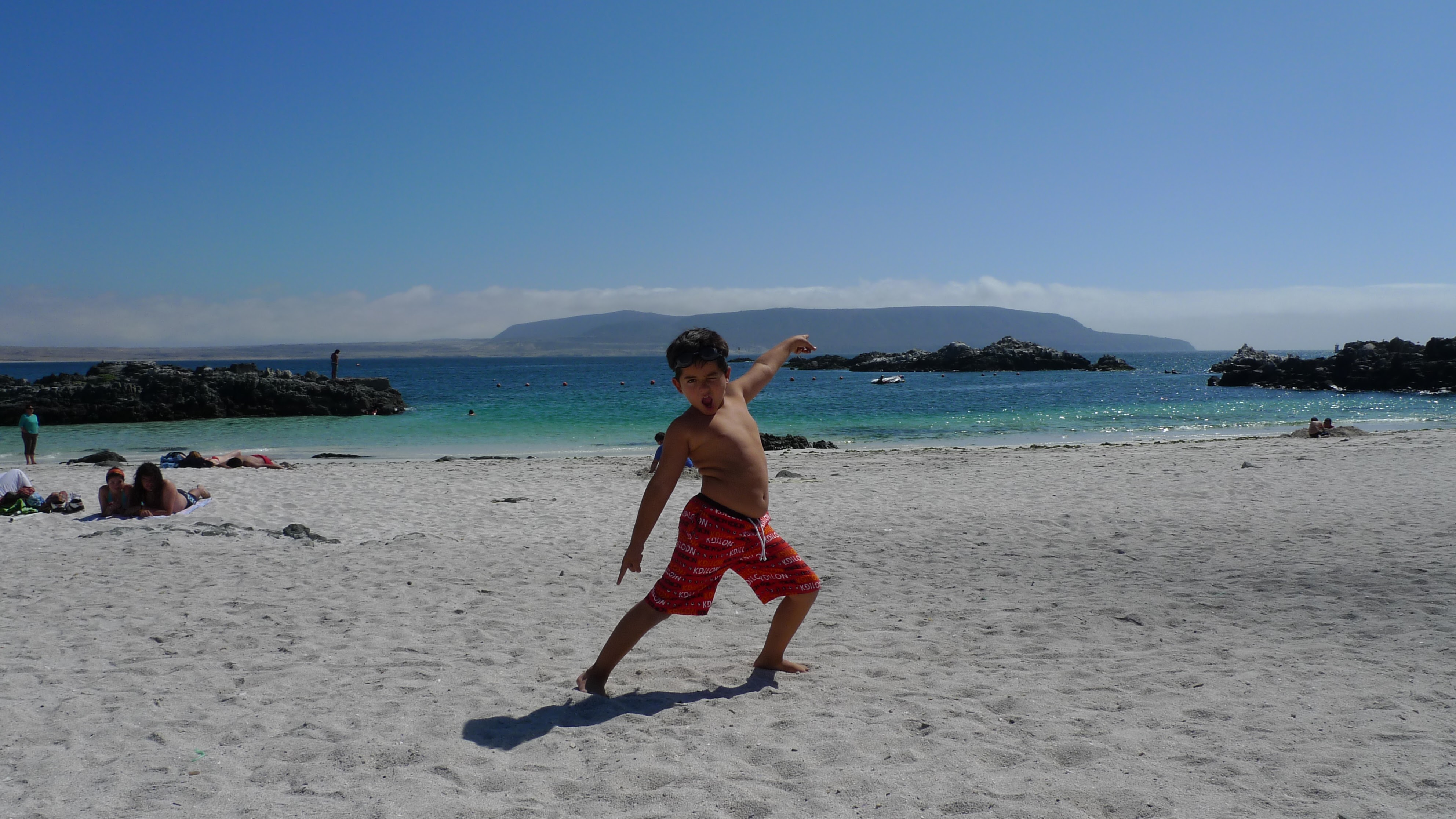
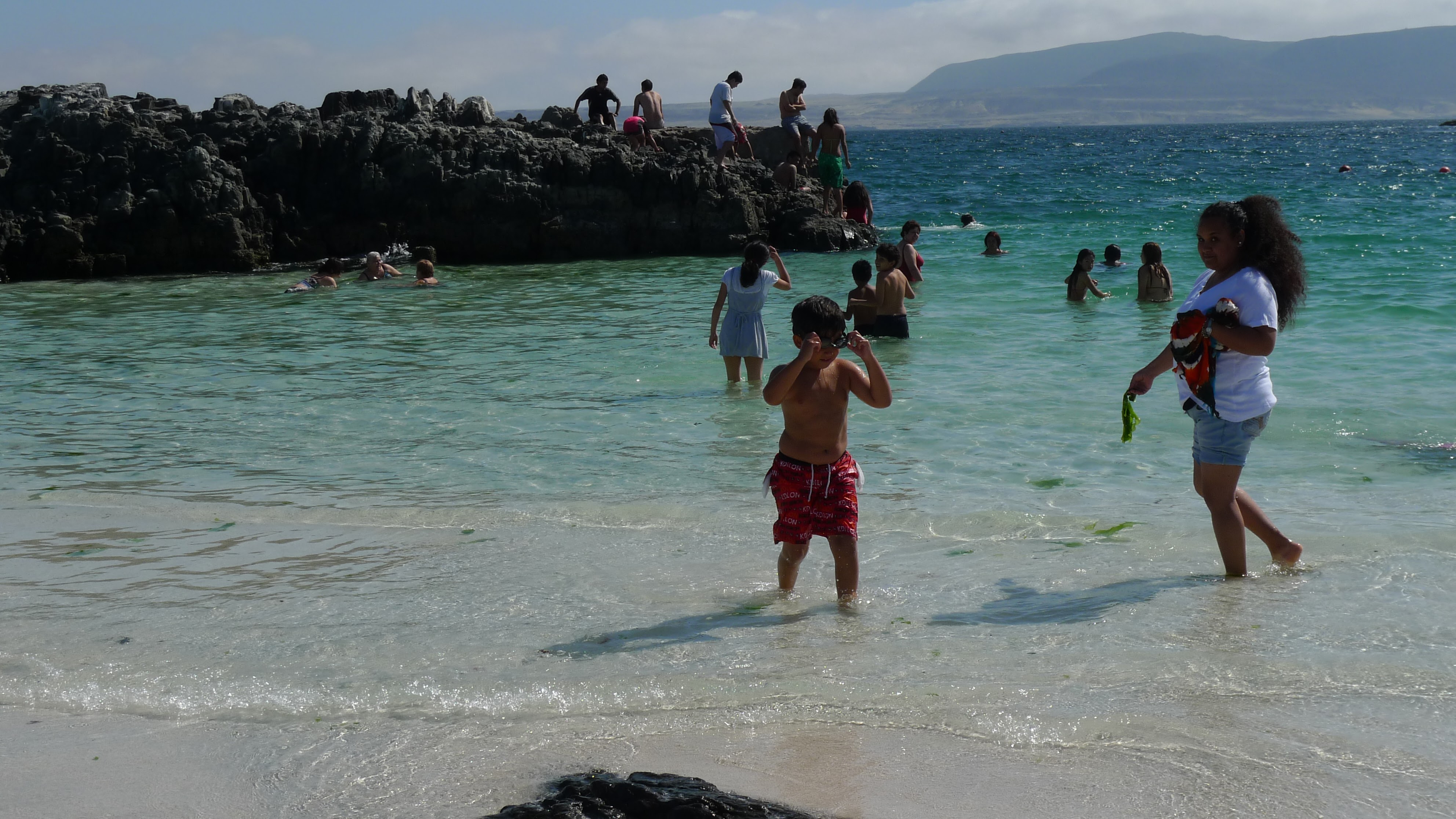
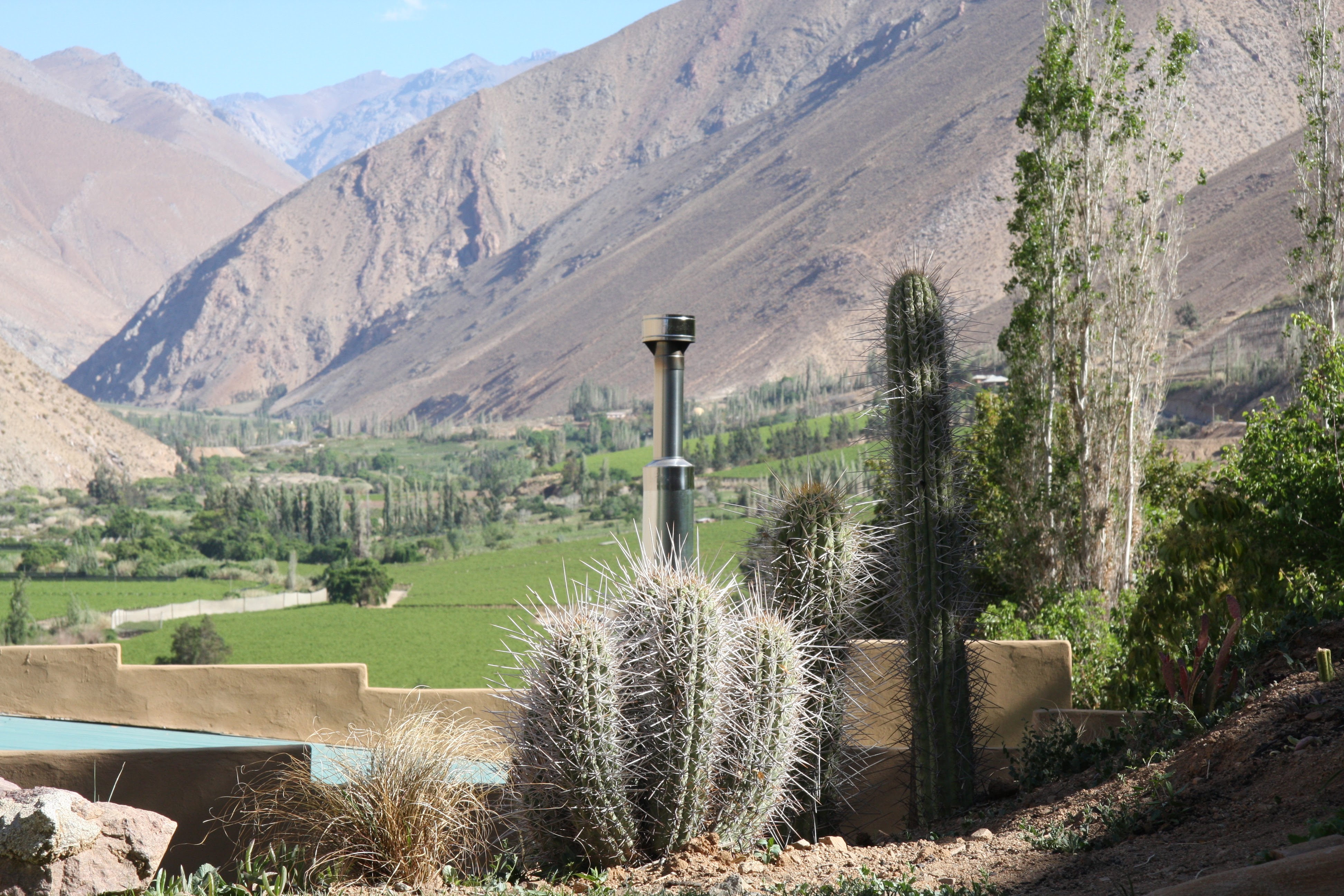
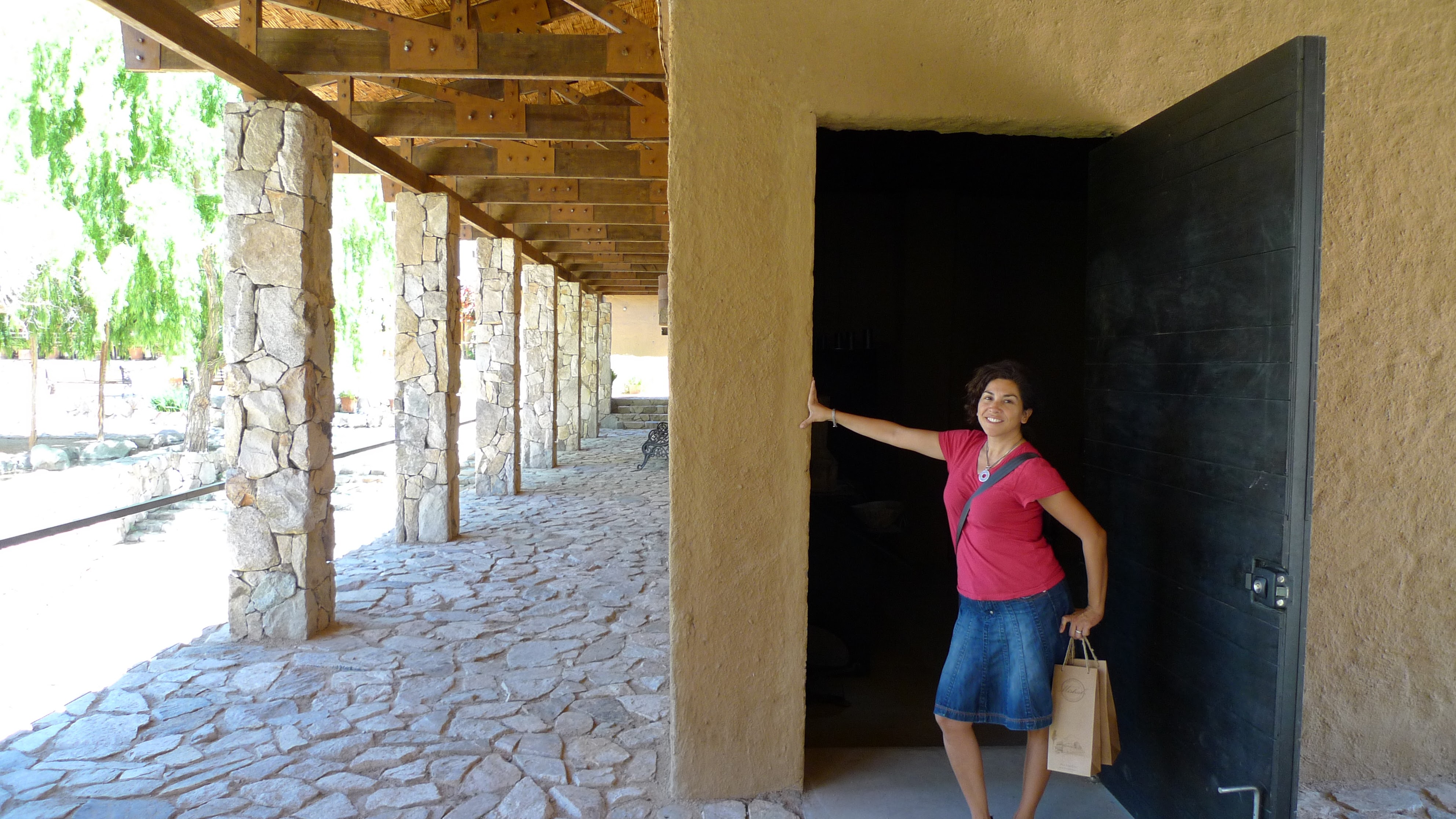
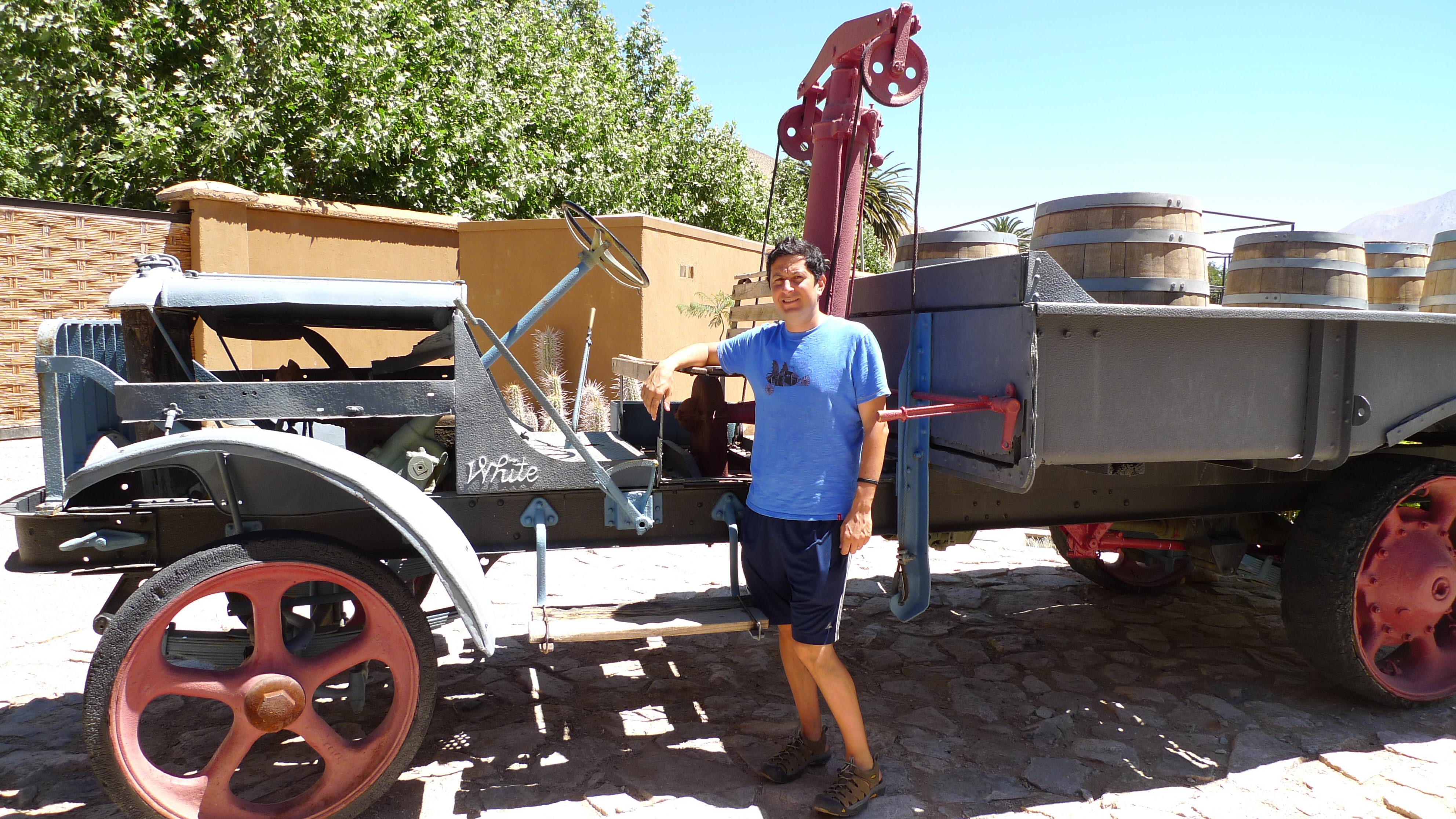
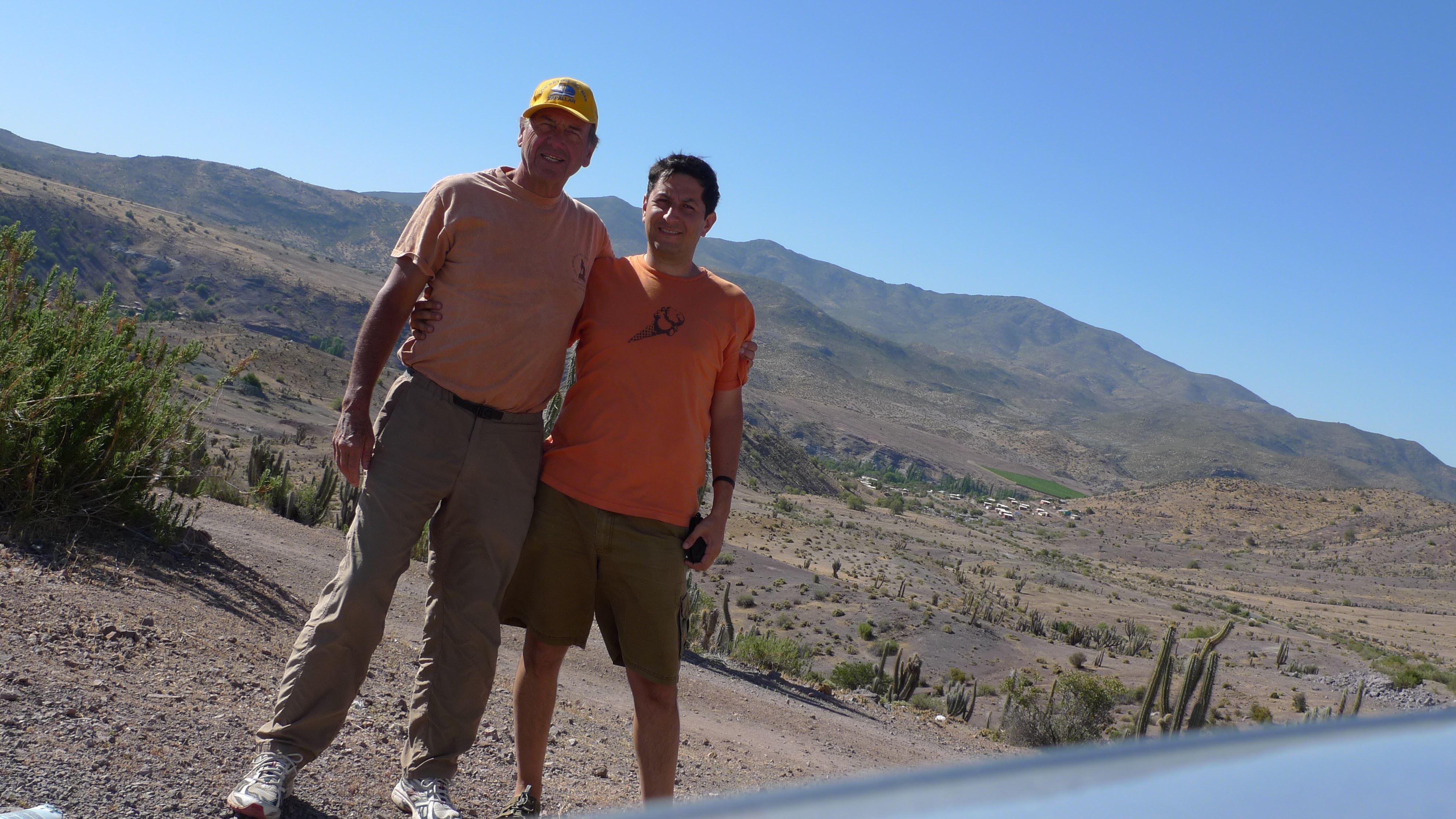
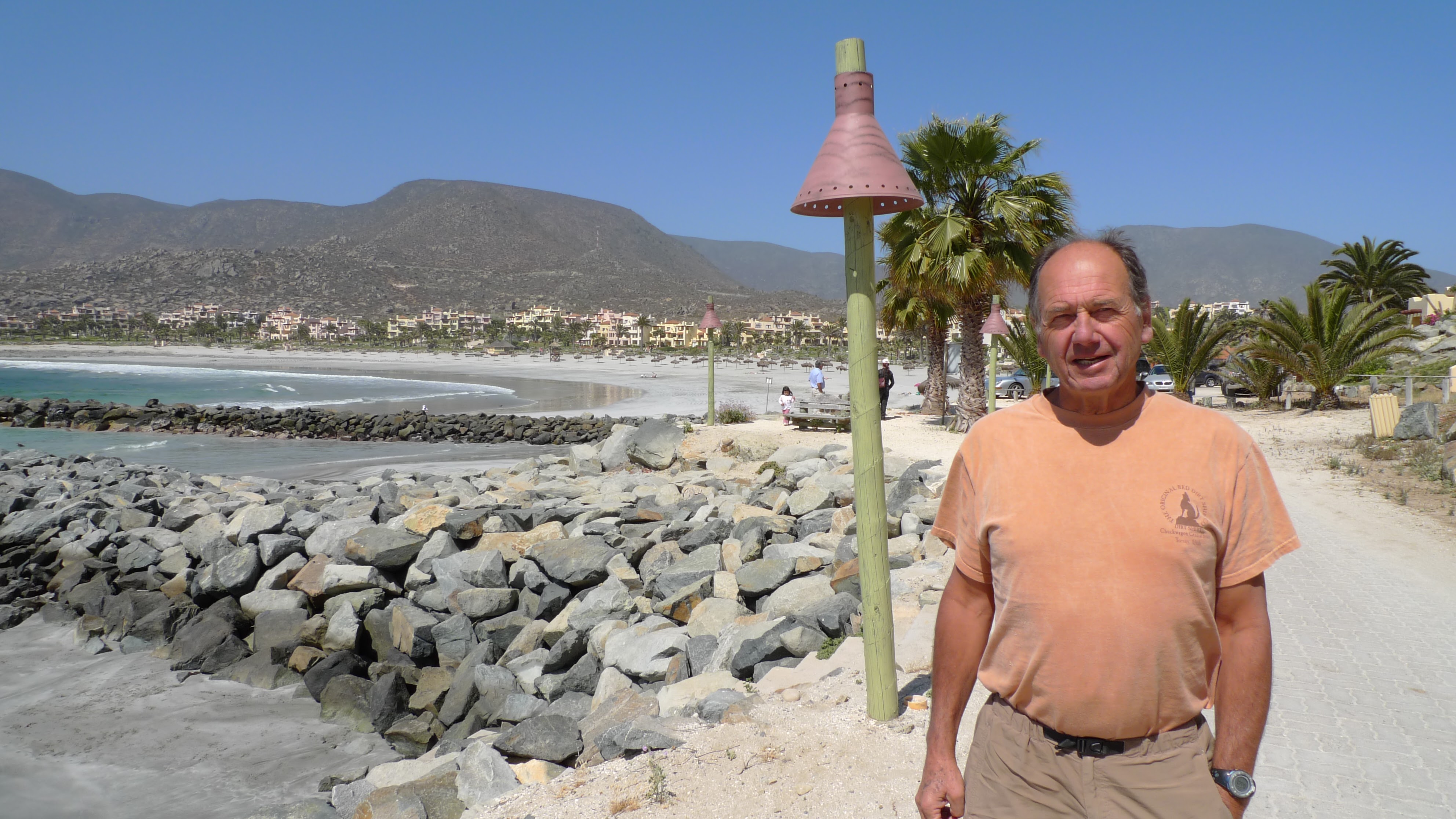
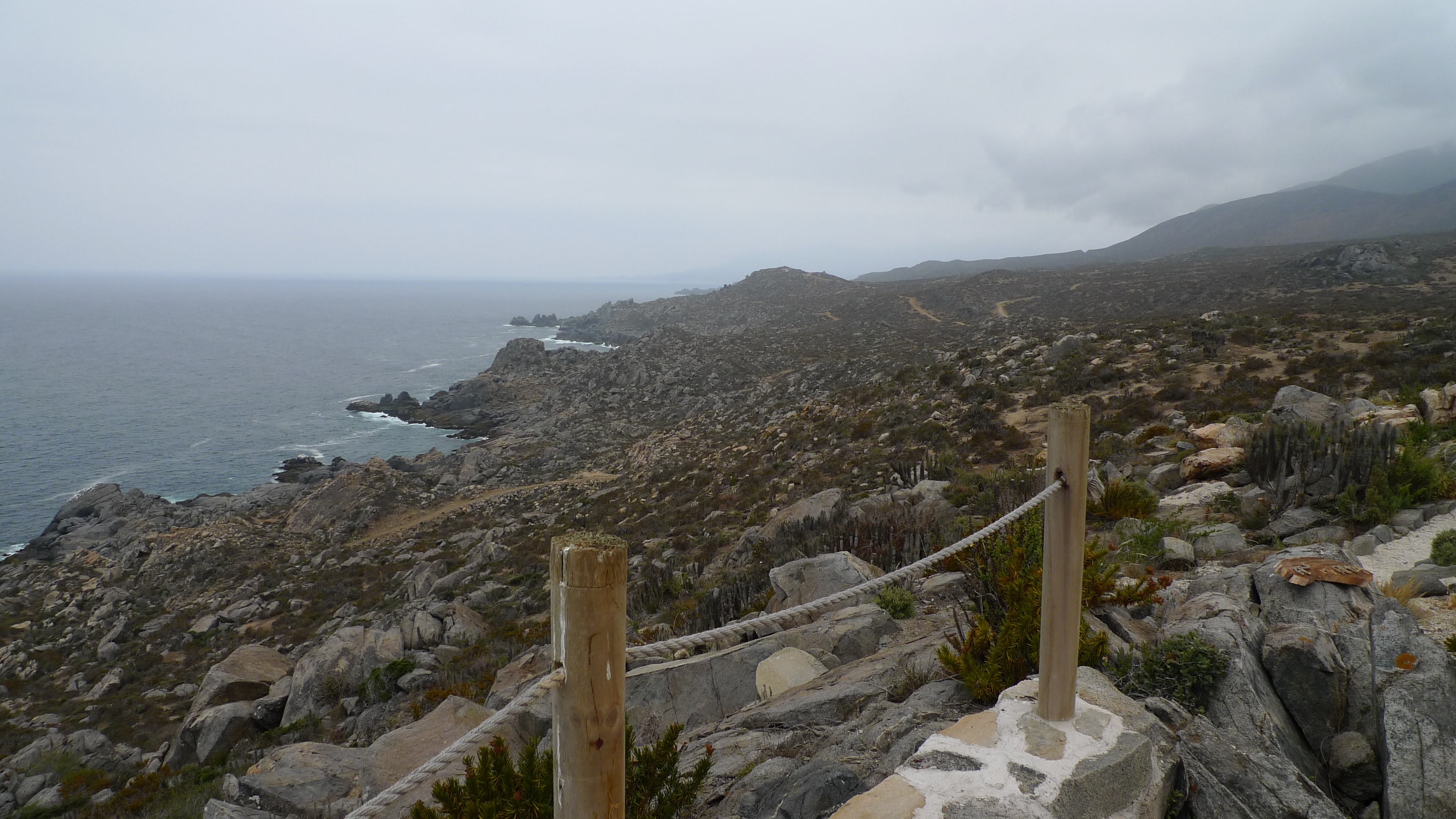
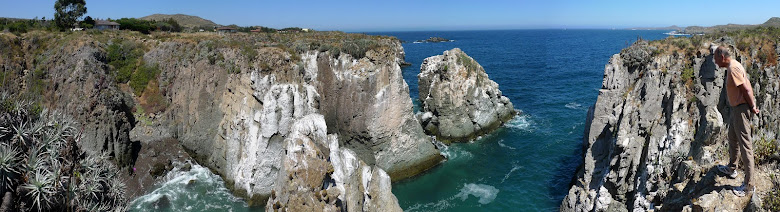
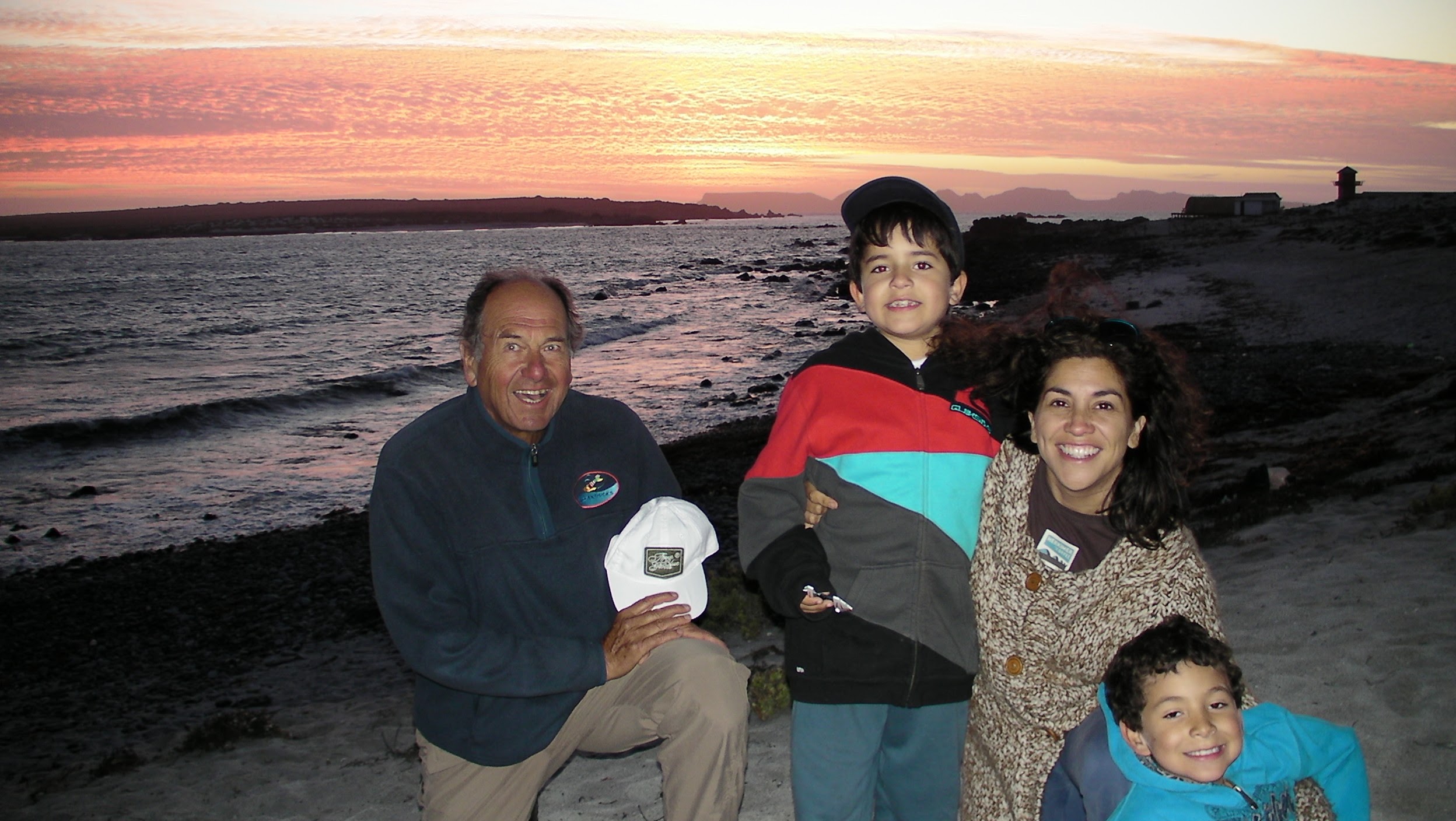
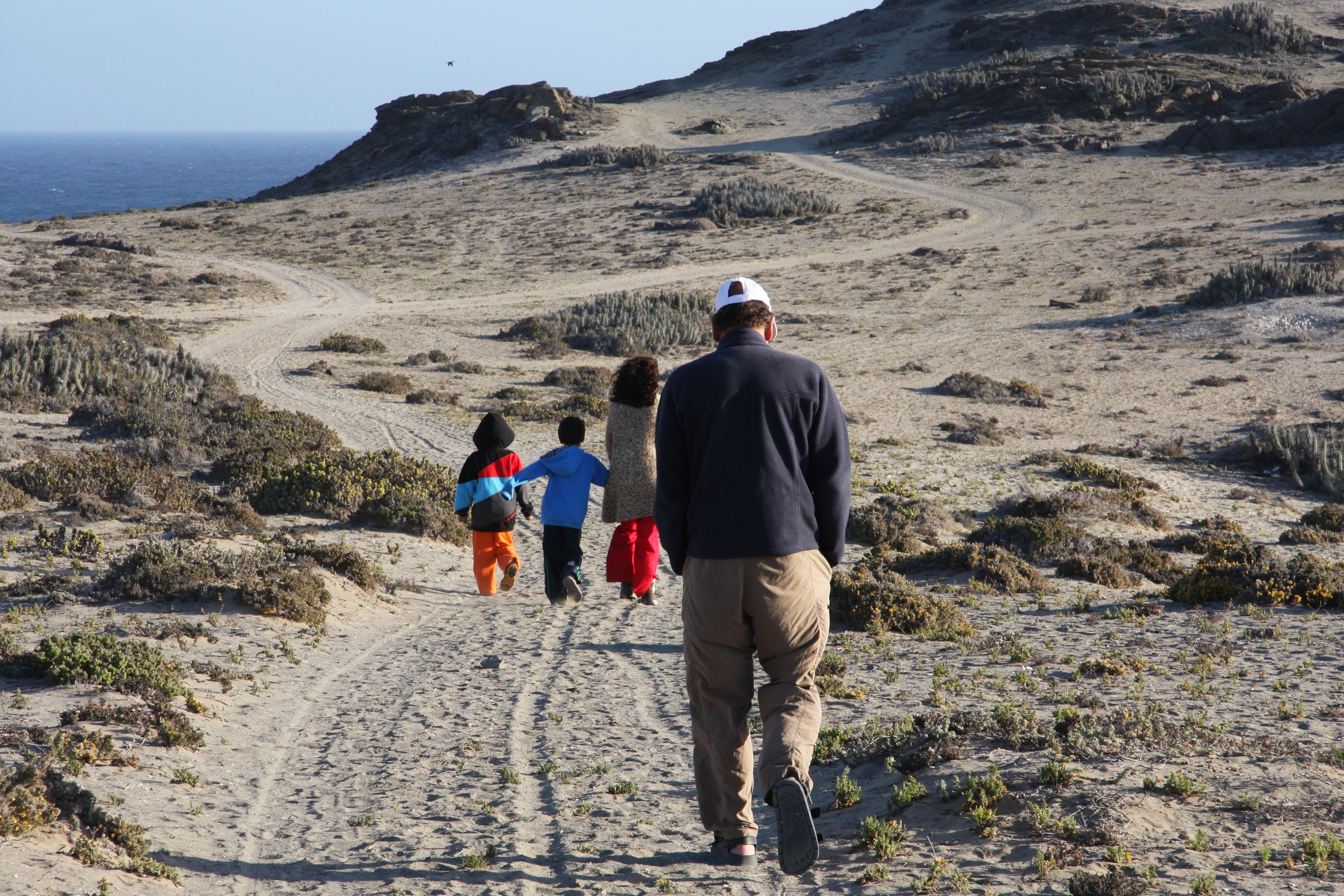
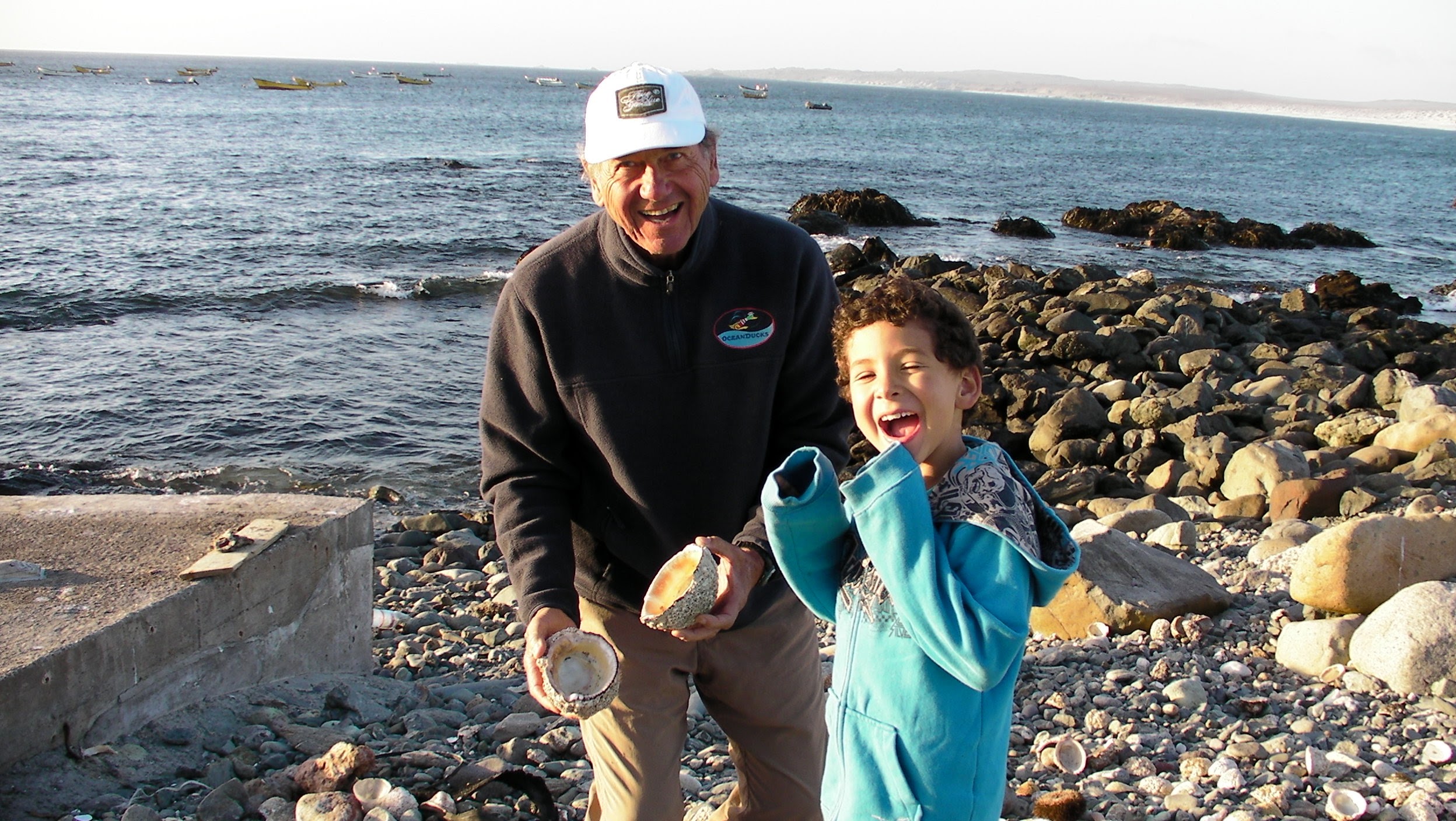
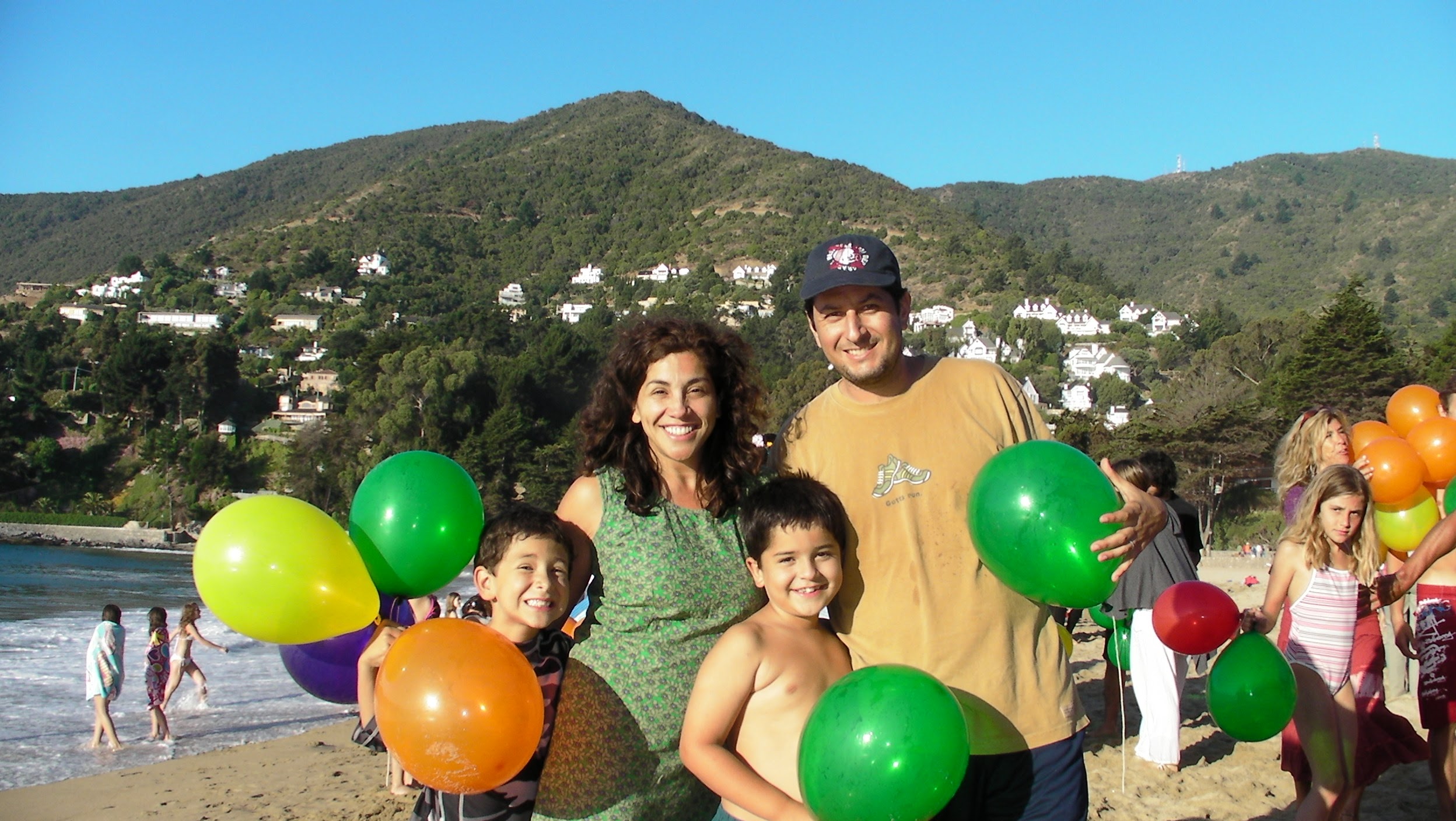
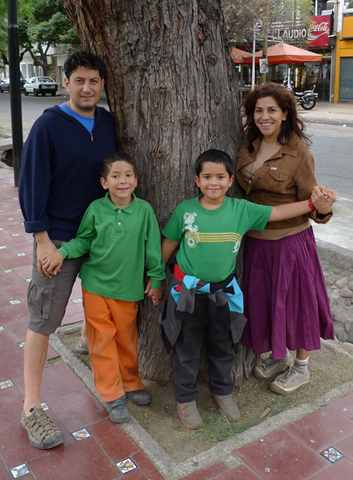
 Forest Key's Blog