Recommendations for Travel in Chile

I get a lot of requests from friends about travel to Chile (for leisure/vacation, usually with family including kids), so i figured it was time to put my thoughts into a blog entry that I can repurpose, so here you go.

First some context: I lived in Chile from the age of 6-11 in the lovely Pinochet military dictatorship era (late 70s-early 80s, several years in Zapallar on the coast, and the others in Santiago the capital), the again after college for a year in 1994 (in Santiago, working as a film editor for commercial television), and most recently in 2010 for a year while i was planning my new business and my family and I divided time between the “small-north” region near La Serena, and yet more time in the smoggy confines of the capital.  In addition to these stints homesteading, i’ve also backpacked and otherwise visited the country another half-dozen times… so from a toursim and/or expat perspective, i feel like i have the place dialed in and can make some strong recommendations.

So, with a focus on tourism (not expat relocation, which will be another blog post if I have enough people asking me about living in chile, schools, immigration process, taxes, banking, etc.), here’s my top 3 guidelines:

  1. Skip Santiago.  My friends in Santiago will be upset with me for saying this, but i’m sorry–the truth is that Santiago has *absolutely* nothing going on from a tourism perspective.  You’ll be flying in and out of Santiago for your international flights, but otherwise SKIP IT.  The city is not distinct enough in any way that would warrant precious days that you could spend in the much more interesting other parts of the country.  Someone will tell you “oh, it is worth at least x days”, where x is exactly x days too many.  Seriously–SKIP IT.
  2. Plan 2-3 “segments” connected by flights.  The country is MASSIVELY long and the north/south orientation means that the areas to visit are hugely distinct from a natural flor and fauna perspective, so avoid your intention to “rent a car and drive” as the north-south drive would eat up 4 days of your trip!  There are 5 distinct areas of tourism attraction (see below)–pick 2-3 and spend quality time in these with regional driving in each, but don’t try to connect the dots by land.  If you buy your domestic segments along with your international ticket, on LAN (soon to be renamed LATAM) airlines (the Chilean carrier) the cost of the segments is very reasonable.
  3. Focus your goals around “natural wonders” as opposed to “culture and civic/city life”–Chile kicks ass as a low population density, magical geography that is accessible, safe, and fun.  It underperforms tragically vrs. its peer group of Peru, Ecuador, and Brazil in terms of local food, indigenous culture, indigenous architecture, food, music, and “exoticism” for a typical well traveled american or european visitor.  And Argentina is a much better exemplar of “europe in southern hemisphere”.  My friends from Asia will find it fascinating, as it is very “european” and that will seem fresh and interesting.  But it will absolutely disappoint any “westerner” looking for something exciting “south of the border”… for that, go to Peru (my favorite country in South America, with the best food, home to the Inca civilization and its myriad of incredible ruins/art/etc., magical music, and incredibly colonial area cities, not to mention glorious mountains, coastline, and the birthplace of the Amazon.  Not to mention Brazil, which is marvelous for entirely different reasons.

Ok.  So now let me characterize the “regions” to choose from, i’ll outline them from North to South:

  1. The Atacama desert and Altiplano (high altitude plain).  This area can refer to a massive 1k+ mile region north of La Serena reaching to Peru border, but from a tourism development perspective, it really means flying into the city of Calama and then planting yourself in the area around San Pedro de Atacama as a home base and exploring the high plain.  Volcanoes dot the landscape, you are at 8-14k feet above sea-level the entire time, the star-gazing in the evenings are best in the world (no precipitation, low light contamination from urban areas, no smog, etc.).  I visited this area on the Bolivian side of the border on a $10 a day budget in 1993, today San Pedro is bustling (i’m told, have never been) and hotels can run up to $1k per night for a room at a luxury resort that includes meals and tours, but a wide gamut of options are available.  buuteeq’s first customer in the town is considered among the best in the country, lovely luxury resort Tierra Atacama.   The city of Calama also has tours of the Chuquicamata mine, the largest open pit on the planet, worth checking out on day in/out of Calama, but otherwise spend the time up in San Pedro.  This is what any guidebook would tell you to do, so to qualify this and make it a bit more local–let me add that ANY of the cities in the northern part of Chile will give you a feel for this desert vibe–super low population density (there are hours upon hours of driving where you won’t see anyone!).  I lived in the Pisco Elqui region near La Serena, much less developed for international premium tourists, and plenty exciting and interesting including the added benefit of having some wineries and distilleries for Pisco (a brandy, national drink).  If you want to fly in/out of La Serena and do a few days in La Serena (beach town, lovely coast) there is a hub of neat activities including a marine sanctuary where you can see all kinds of awesome penguins, sea-lions, dolphins, etc. about 90 minutes north of La Serena, observatories for sky-gazing, and the cool-as-shit little down of Pisco Elqui as a home base with funky/hippy vibe.  We lived here for 4 months at this little hotel, El Elquimista.  La Serena can be reached in 5-6 hours by great 4 lane highway, so this is also a doable road trip from Santiago, if going all the way to the true North is too much, but I don’t think anyone would argue that La Serena is a full replacement for the San Pedro de Atacama gig.
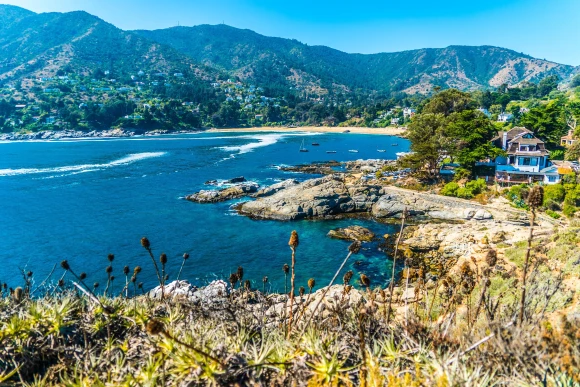
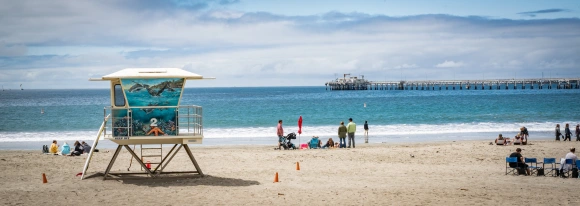
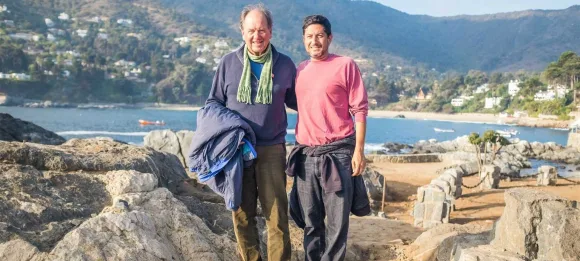
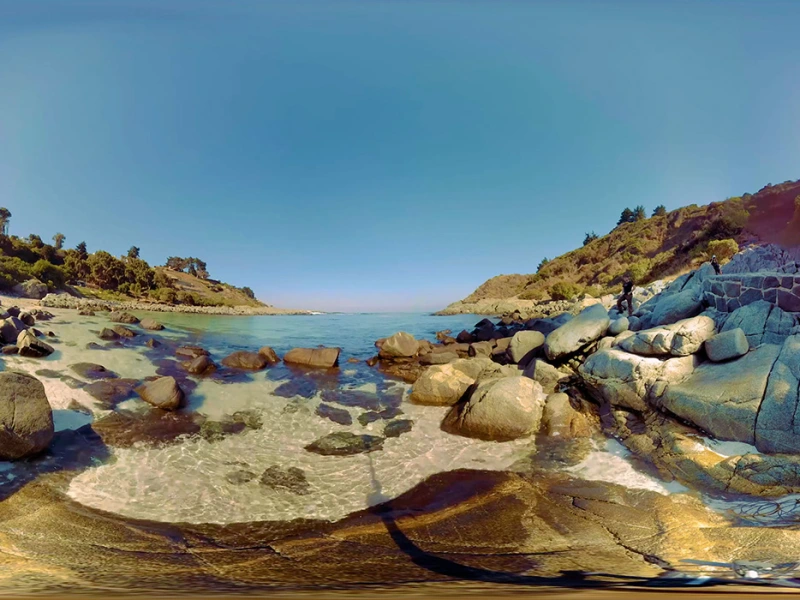
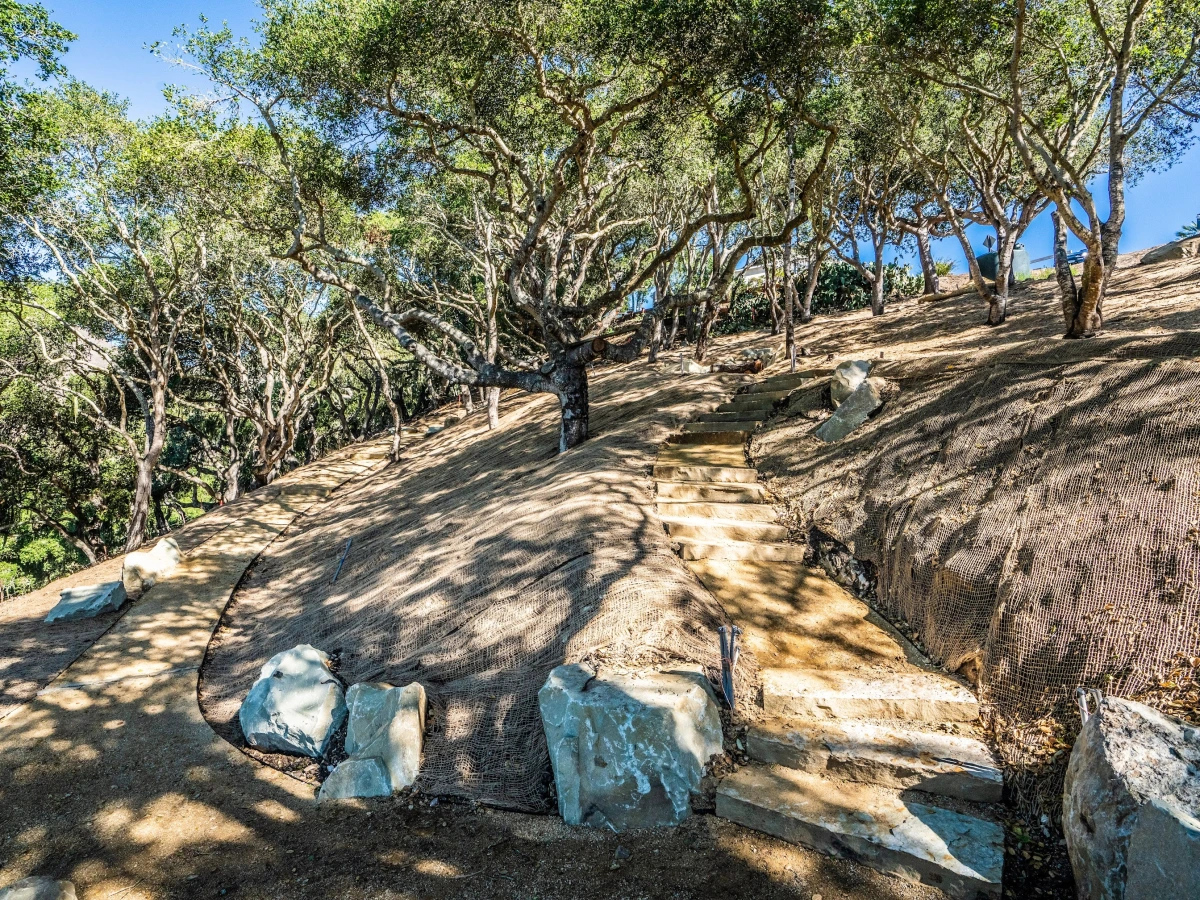
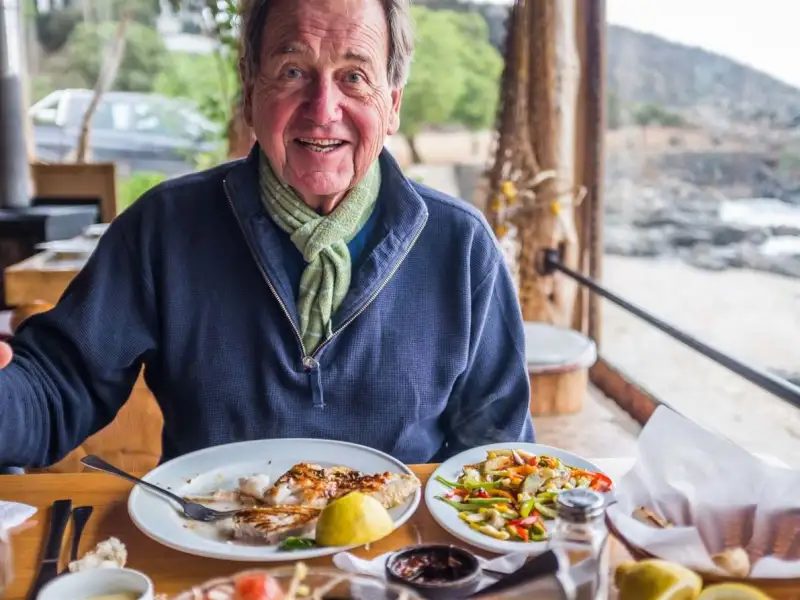
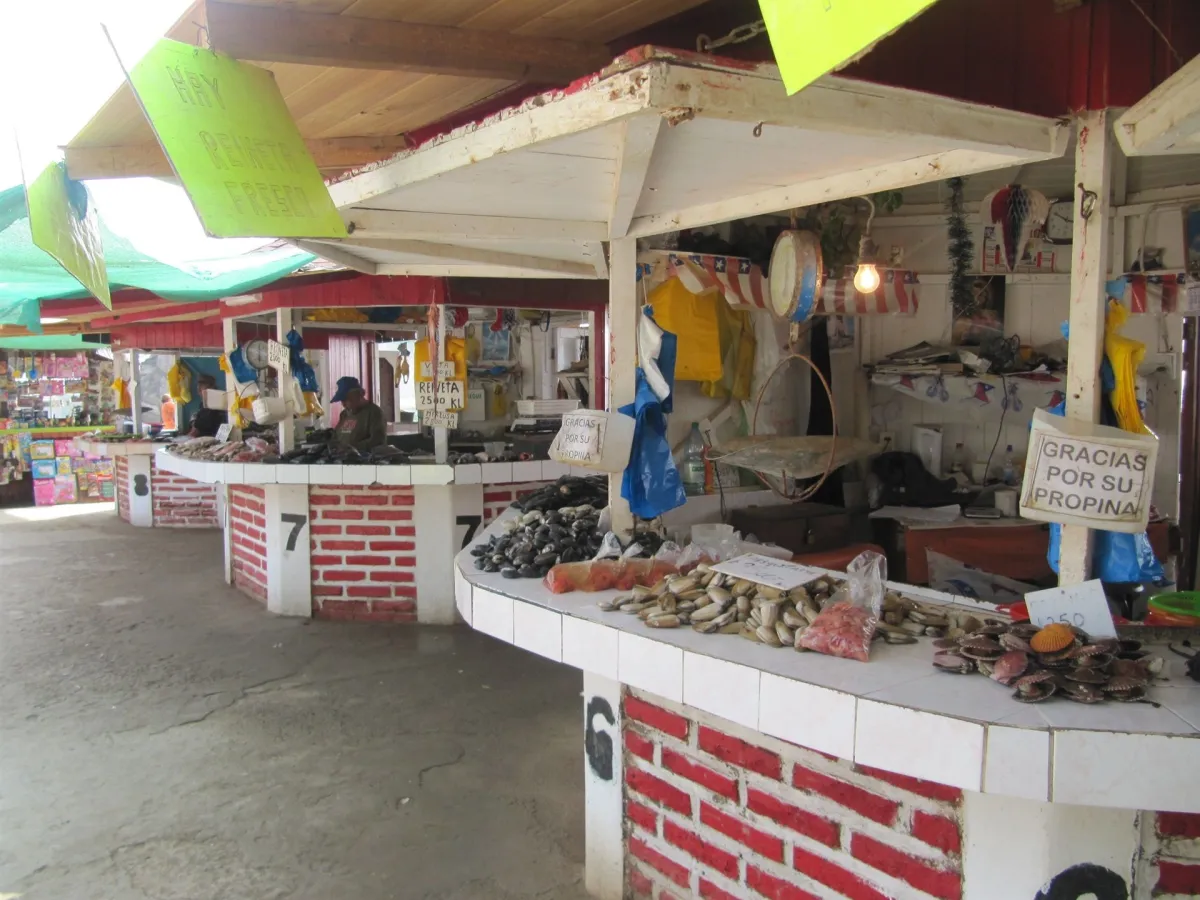
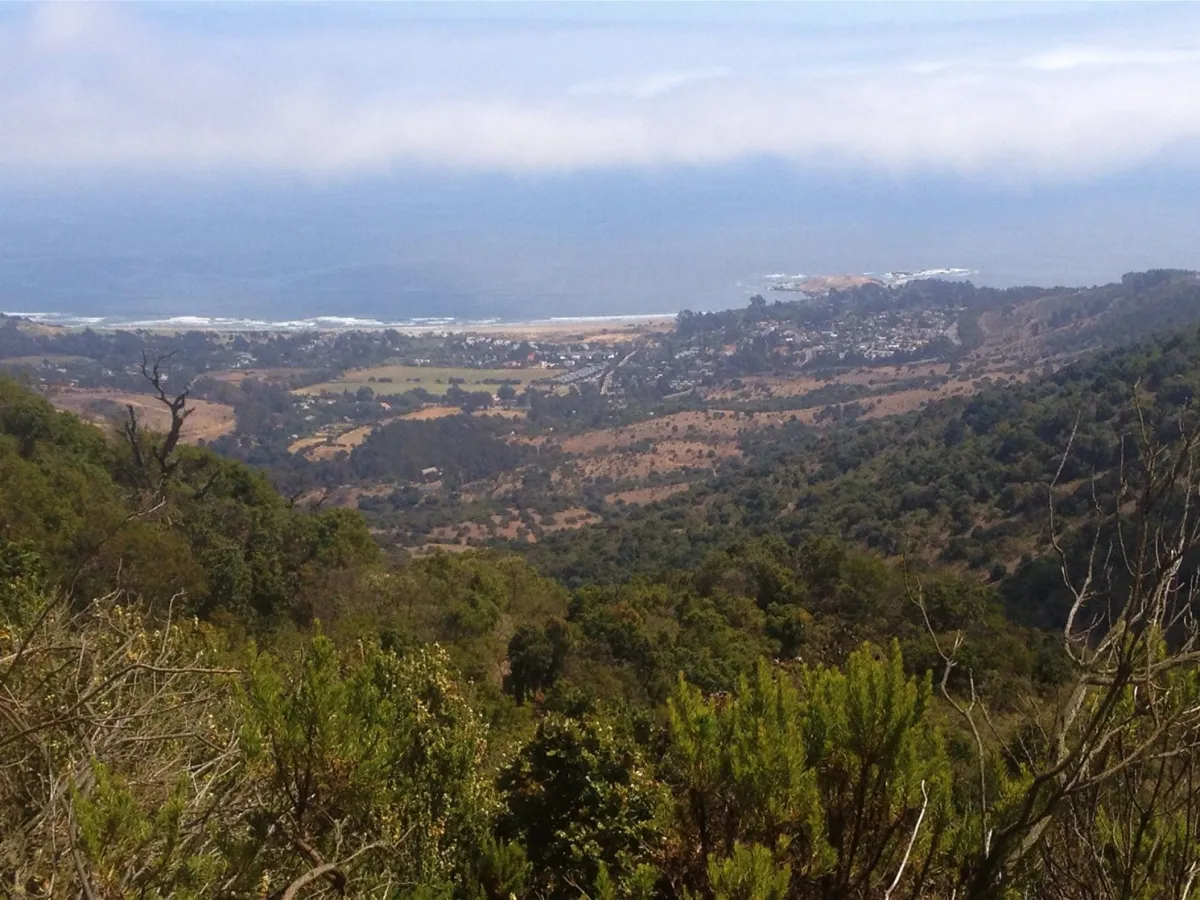
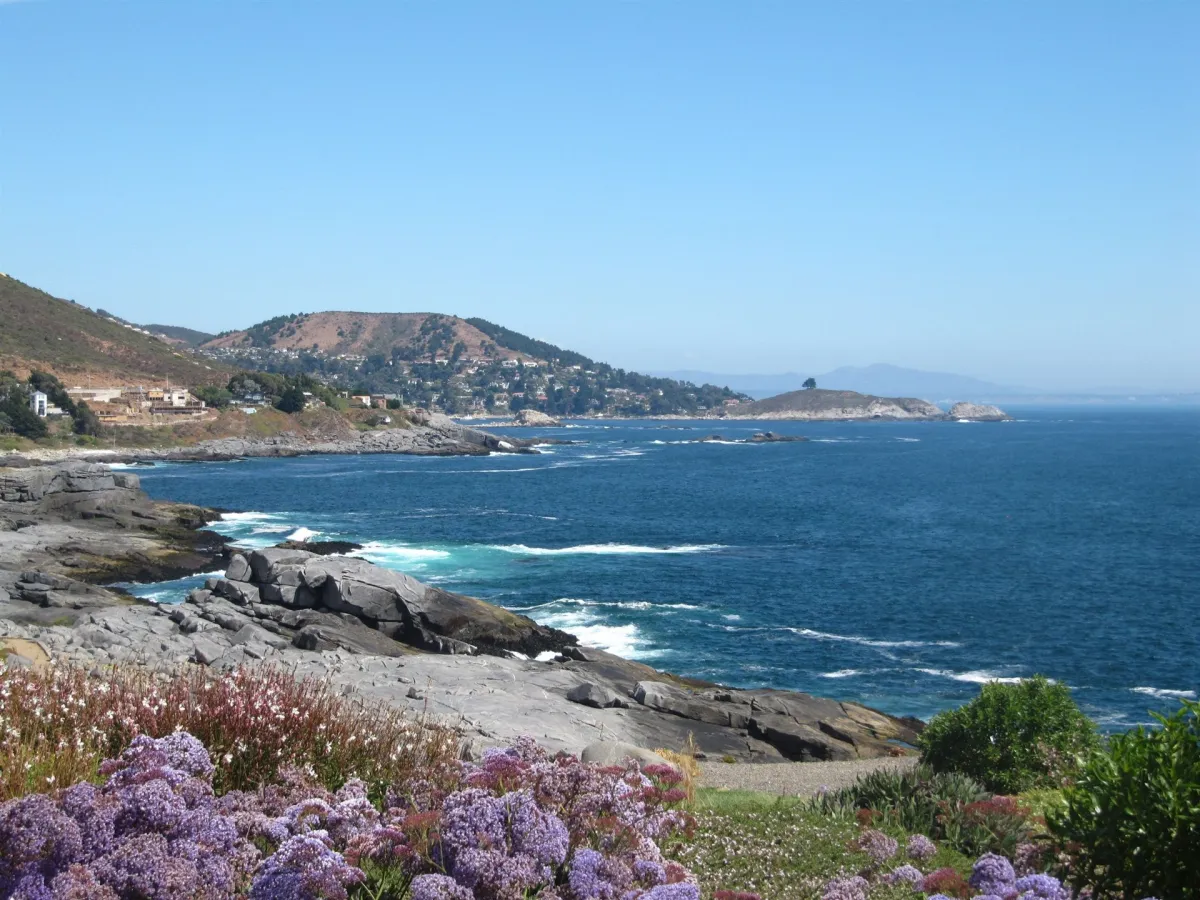
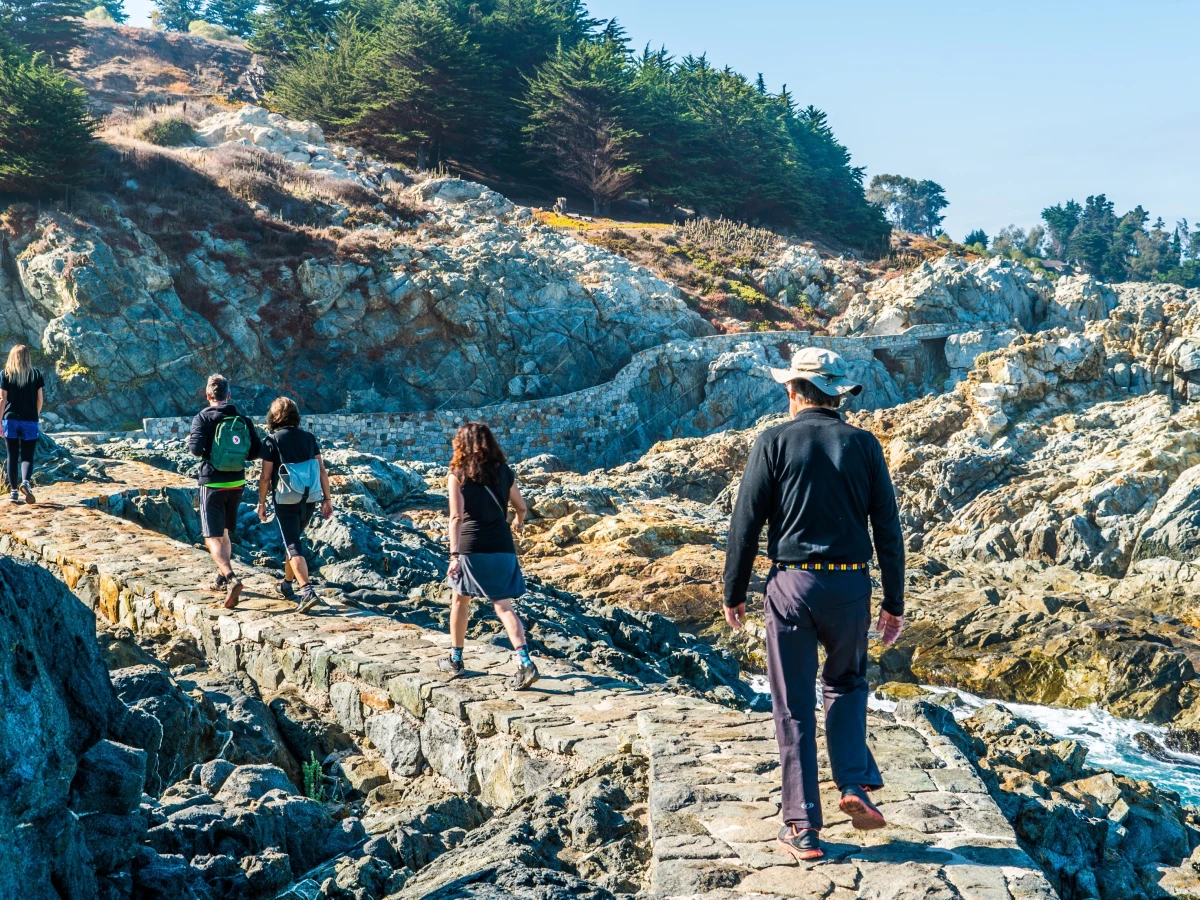
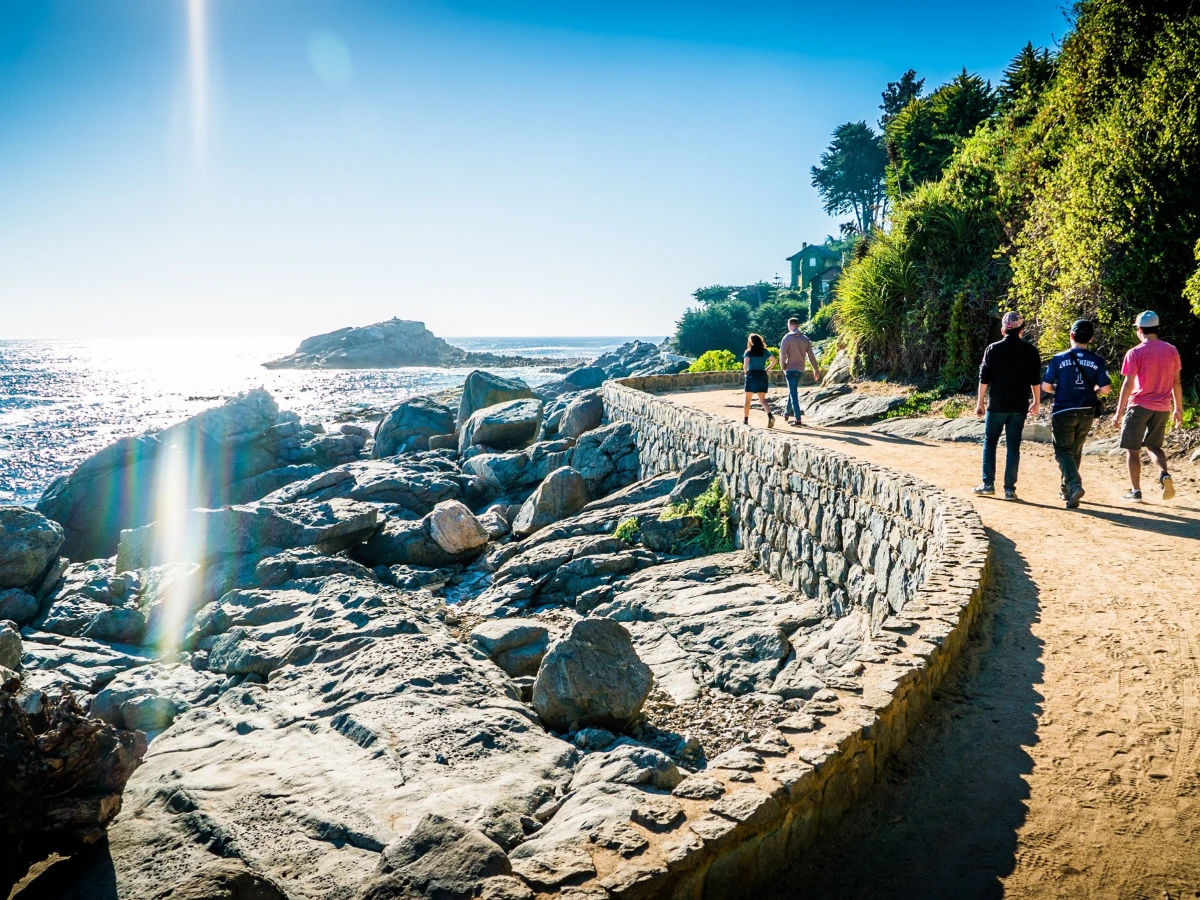
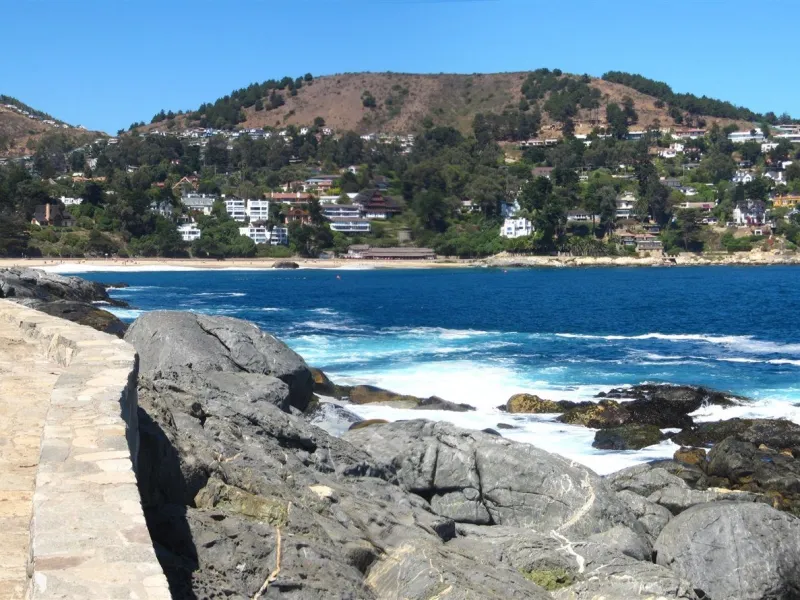
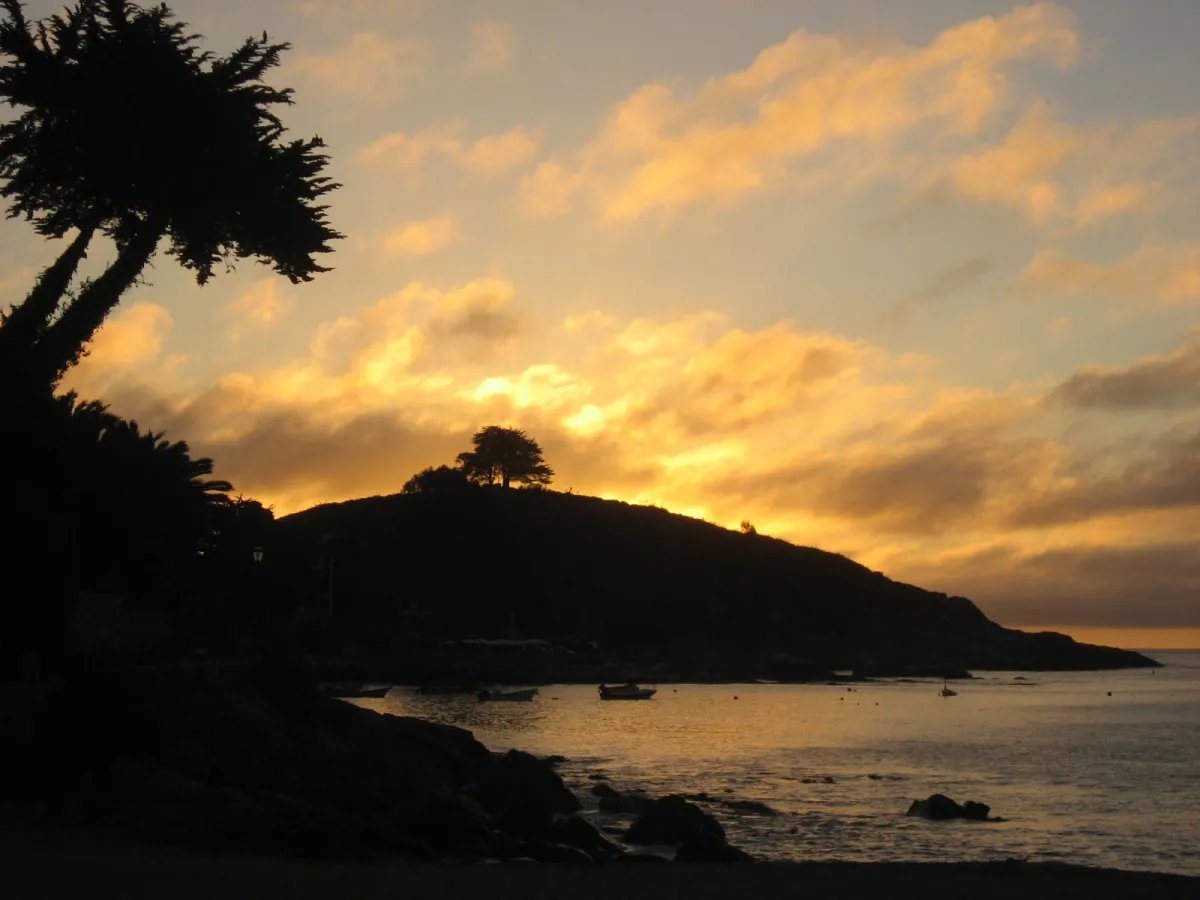
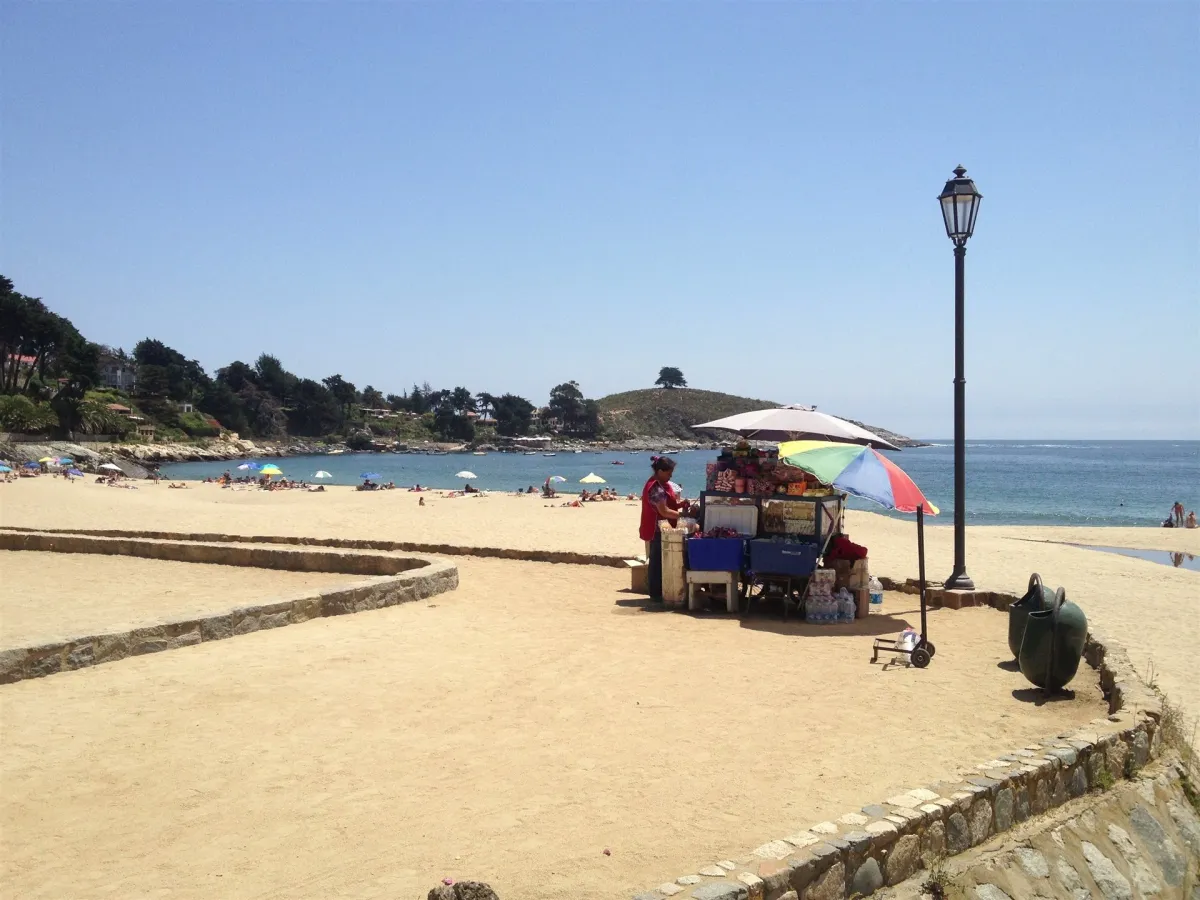
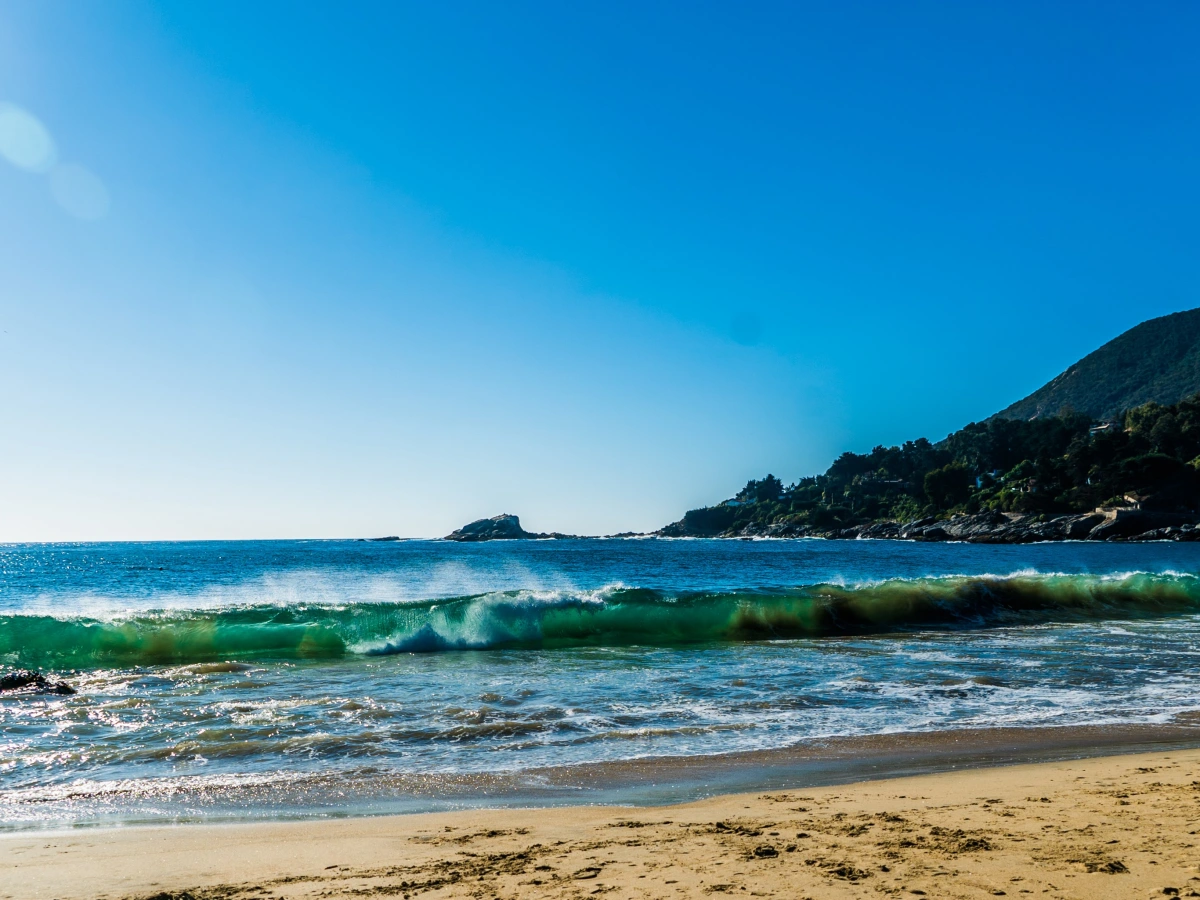
  2. The Central Coast area around Santiago.  This is where you go in a rental car from the capital.  Roads are totally safe, well signaled in Spanish (easy to follow along with a GPS phone or ipad), and distances reasonable (eg: 2-3 hours max between points).  Just south of Santiago are various wineries that offer tours and some homesteading (eg: have cabins or other guest quarters).  The city of Valparaiso is a UNESCO world-heritage city for good reason, reminiscent of San Francisco but way dingier/run down yet totally captivating (in a raw way).  One night in town at this affordable and family friendly designer hotel (owner is a accomplished painter and mixed media artist) which is in the best neighborhood for exploring by foot, is all that is needed to get the vibe and traverse the hills on foot.  Lots of great restaurants.  Anthony Bourdain loved this place and wrote up several restaurants and bars on his TV show (google it!).  Vina del Mar is 15 minutes north of Valparaiso and is a altogether ritzier and cleaner/safer place, overrun with tourists in January and February but still fun, and a joy in December before the 25th when the locals from Santiago and the Argentines start showing up in droves.  Good beach hotel options and beaches.  Note that the water is FRICKING cold in chile, don’t expect Mexcian riviera type beach experience–the sand is lovely, but the waters are freeze-your-balls cold and thus it is much more about eating a fresh seafood meal on the beach and sun-bathing than “swimming”.  The town I grew up in is 60 minutes north of Vina, called Zapallar.  I highly recommend renting a house or staying at one of the (few) hotels in the area near Zapallar and doing 2-3 nights of walking the beaches and coastlines and visiting the neighboring town of Cachagua and Papudo, maybe even hit La Ligua for the local market (daily) to buy some fresh produce, and the fisherman’s market in Maitencillo.  I have a bunch of family and friends in Chile, so if you do make this particular trip, talk to me and I’ll see about helping find you a local friend to show you around, host you for a meal, and maybe provide a tip on a rental for your stay in town.  Zapallar has a lovely small boutique hotel which does NOT have ocean views but otherwise is a great base and good value.  My recommendation in general for this region is to get a house in Zapallar for 3-5 nights, and make Zapallar the base from which to travel to Valparaiso, Vina, La Ligua, etc. as day trips in your rental car.  Zapallar is 2hrs from the capital, you can arrive at airport and drive STRAIGHT to zapallar for your first day in the country.  You’ll thank me for it!  The walking paths along the coast, beaches, and understated tourism sector (few hotels, mostly locals) will give you a great “local” experience for this region of the country.  I also have relatives that rent their houses depending on the season…
  3. The Pre-Patagonia area around Puerto Montt (the small south).  This is some combination of Pucon on lake Villarica and volcanoe region surrounding, the adorable city of Frutillar, the coastal city of Valdivia, Puerto Montt, and the island of Chiloe.  These are all reachable via car by using Pueto Montt or Valdivia as central arrival/departure ports.  Lots of great german influenced towns, lakes abound, cute fishing villages… great to walk and drive around.  If you aren’t into driving aimlessly around the region there are organized tours, but it is a very accessible region and well touristed in the December-Feb corridor (when the weather is great), not so much fun any other time of year (rains perpetually, like Seattle where I live now).  This is relatively populated part of “patagonia”, not to be confused with the insanely not-populated true “south” which starts after Puerto Montt and extends through fjords and icebergs and wild forests all the way down to Tierra del Fuego and the southern tip of the continent.
  4. Patagonia region(s).  There are two hubs here that are too far away to be linked.  One is the area from Puerto Montt to the town of Chile Chico, which has a road that connects the region (only passable in summer) called the Carretera Austral.  Renting a good 4×4 and driving parts of this itinerary is probably akin to northern British Colombia or parts of Alaska.  Lots of undeveloped forest, great lake fly-fishing and hiking, but not robust tourism infrastructure except for in pockets, mostly along the coast.  Likely best to look for a tour of this region than to wing it.  Town of Coyhaique is surprisingly bustling, flying in-0ut of hear and arranging tours might be good option (when I did it i was on $10 a day budget in 1994, so likely has changed quite a bit except for the remaining amazing natural wonders which can’t have been spoiled quite yet).  Much much farther south, only accessible by road if you drive into Argentina and then come back into Chile down at the tip, is the popular and “must see” area around the national park called Torres del Paine.  This is the classic photo of towering awesome mountains near a glacier emptying into a virgin lake, etc.  I’ve never been.  Everyone that goes raves about it.  Basically a “bucket list” kind of destination.  I think the itinerary is to fly in to the region for 4-5 days including time in the national park.  If money is no object, stay at this place in the park itself, luxury beyond compare.  And fly in and out of Natales, this  place is supposedly fantastico for accommodations.
  5. And then there is Easter Island, which might as well NOT be Chile because it is basically a Polynesian island WAY the frick out in the pacific.  Never been, can’t say one way or the other, but it is one of the top 3 draws to Chile for tourism so I would look like a fool for not at least mentioning it here.  Other than big stone statues staring out into the pacific, i’m not sure why anyone would go all the way out here.  If you want to visit islands in the pacific, there are better ones… i would skip as it is FAR to fly for small payoff, and you’ll get more for your “chile” vacation from the main north-south attractions i’ve covered above.

Ok, i’ve probably been too simplistic in this summary, but that’s my quick top 3 don’ts, and my top 4 (skip Easter Island) regions for “dos”.

Overall, as of June of 2013 when I’m first writing this, Chile is very accessible by rental car (by segment) so I recommend that strongly–don’t be beholden to public transport or a car and driver.  Roads are very safe.  Don’t leave valuables in-sight at tourist parking lots, just like anywhere in the world.  There is very little violent crime outside of the capital, expect pick-pockets to be the worst thing you’ll find in the country.  Not a lot of scams/hustling going on either, really a lovely place to visit and extremely friendly for kids.  Focus on the NATURAL wonders, food will be fine but nothing amazing, wine is good and cheap, and the people will be friendly and not speak english (so brush up on your basics in spanish).

I’ll add more comments to this post as I get a sense of the follow on questions from the folks that have asked me to write this up (you know who you are if you are reading this).

I’ll someday write up the equivalent for Peru and Brazil, which I would favor for more ambitious/exciting tourism… but Chile is a great, safe, lovely place to visit with family and I hope you enjoy your trip!

Posted in Uncategorized | Leave a comment

TiynyPulse rocks!

I’m unabashedly in love with the HR employee feedback tool http://www.tinypulse.com, and sat down with our VP of Talent to discuss a bit re: how we use the tool and some of the company culture at buuteeq.

Posted in Uncategorized | Leave a comment

Ping Pong madness with the kids

Caetano has been making a lot of videos for his youtube channel and wanted to create something with his brother that would stand-out from the relatively mediocre stuff that his comparative peers have been producing.  So we got out the big guns (a GoPro camera for slow-mo footage, and my Canon 5d Mark III for the main action) and did a full shoot, edit, post-production+viz-effects, in a 4hr intensive session at buuteeq’s office.  The kids wrote the script and storyboarded the action using post-it notes.  I shot and did the editing + effects, but i had them watch closely so that I could begin the transfer of knowledge to turn them into Adobe Creative Suite master-users.  This summer we are planning to do a digital film boot-camp with a few other parents helping out with the curriculum.  We’ll cover storyboarding, editing, 2d compositing, and some basic web development for posting.

Here’s the results, of what will surely become a series of videos:

Oh, and while i’m at it, here’s the first video we made way back in 2008, when mom was in the USA for thanksgiving and we boys did a little film shooting at Lane Bridge on our way to school one morning.  Kids were so cute… funny to see the two videos together and how some of their core acting/persona is the same 6 years later!

Posted in Uncategorized | Leave a comment

Spain, 20 years later

20 years ago I lived in Madrid for my junior year in college.  It was a lovely time of life.  I was very fortunate to make several new great friends while living in Spain, but i also brought with me several close friends from Palo Alto High School which coincidentally also ended up in Spain that same year (none attended UCLA with me, or had any coordination in planning their own year abroad to coincide with my choice of Spain/Madrid).  At one point a motley crew of us ended up attending a bull-fight (under the auspices of one of our parents who was visiting and hosted both the bull outing and a epic memorable meal at Casa del Botin (one of the oldest restaurants in Spain / the world).

Clark, Tobin, Steve, Dan, Adam, Adam, me, and a local Madrid friend who’s name I can’t remember any longer!

As my year in Madrid was winding down in the summer of 1992, Tobin and I went backpacking together in the southern Cordillera Nevada region which is in Andalusia near Granada.  A magical string of small “white villages” dot the steep slopes of the mountain and are connected by small wandering foot-paths and a precarious mountain road with infrequent bus service.  During a 3 day hike/camping excursion (and by “camping”, i mean we slept on the dirt ground by the side of the road) we had a bunch of laughs and celebrated Tobin’s 21st birthday.

Tobin and I trekking in the Alpujarras, Andalusia Spain 1992

At some point on the last day of our camping one of us proposed that we “should return 20 years from now and re-trace our trek” which stuck in both of our minds and was a looming 2012 date with destiny which I am happy to say we executed to great success last week.  We started by meeting in Madrid where we were joined by 3 friends who are married to europeans and have taken up home on the old-world.  Matt, Mike, and Clark joined us in Madrid for 48hrs of intensive and seemingly perpetual tapas hoping (with beverages of course).  While my liver suffered a bit it was my gut that really hurt (from so much laughing)–amazing how so many things can change yet be the same… the ridiculous antics and reminiscing were together an amazing time travel potion which I drank with great thirst (but let’s be honest, 48hrs was about the right amount of it!)

Matt, Mike, Forest, Clark, and Tobin

20 years later, in front of the classic Madrid bar, Beguim de Beguet

As the europeans made their ways back to their families, Tobin and I headed south to Andalusia and through bullet train and rental car transport (neither of which existed (train) or where available to us (as 20 year olds) last time we were here), found ourselves back in our old stomping ground in the Alpujarras.  We couldn’t quite find the same brick wall to sit on and take our “20 years later” photo, but we were definitely in the hunt and amongst the same villages and fields.  Everything seemed the same yet different–lots of internet cafes, more tourism, better roads… and of course, things just seemed smaller and less foreign in general (instead of quaint villagers, we were surrounded by german tourists).  But hey, we did it–we made good on our “let’s do this in 20 years” pledge, and the 3 hour late lunch capped with yet another cafe-con-leche sealed the deal.

Tobin and Forest back in the Alpujarras, Andalusia Spain 2012

As a bonus we hit Granada for some tapas and photo-taking, as well as Ronda which finally gave us some good weather and some ridiculously blue skies.  We also had a chance to visit two of buuteeq’s customers in the region, the Hacienda de San Rafael (farmhouse turned luxury retreat, about 45 minutes from Seville) and Corral del Rey (boutique luxury in the center of the Santa Cruz old city center of Seville, walking distance from everything).

So, what did I learn 20 years later (if anything)?  There were some really great and accessible insights that both Tobin and I rallied around in realtime, as well as some parting thoughts that came together on the long-haul flight back to Seattle:

  • 20 years old is a great age!  Before the trip i often spoke of Spain and my time in Spain 20 years ago as equal parts of a wonderful recipe.  Without taking anything away from Spain, i would now say with great clarity that being 20 is a great age and a great time of life and the fact that we were in Spain was a very big secondary dynamic.  The “right of passage” concept played out elegantly for us 20 years ago, in europe and having access to so many inspirations (the art, food, architecture, and distinct culture of spain)–but really, the magic was inside us directly, and it hadn’t have been Spain our muse may have come in many forms.  I am glad that I was “overseas” at that time, it was perfect for me and what I needed to really thrive and grow at that moment in my life… and I will recommend to my own kids when they reach the age.
  • Some things don’t change.  Early in the week amongst the larger group dynamic of the 5 of us in Madrid, I shared with the boys how excruciatingly embarrassing i often found their public behavior when we were in highschool.  Matt and Clark and Mike together often involved a public theater of improvisation and one-upmanship in which the three tried to perform in the most outrageous and obnoxious ways, the better to prove themselves the greatest fool of the group.  Upon hearing some of my anecdotal examples of this behavior (such as mock-chasing down and beating each other in public to the horror of casual bystanders) Clark pointed out, emphatically, that “we were in high school!” as if that behavior was (a) excusable and (b) far, far behind us.  Within 15 minutes the same dynamic kicked in, as if prophetically, and the boys did their best to up-the-ante throughout the weekend… fortunately nobody landed in prison, and my gentle reminder to them that (sarcastically) “we we’re in high school!” was great fodder for laughter to us all (albeit I genuinely was horrified by a few of the antics and kept my distance and made sure to not photograph some of the offending stuff so that there would be no public record!)
  • Looking -20/+20.  Over a round of monster caipirinhas at the Beguim de Beguet (a favorite bar from 20 years ago, still operating, in dilapidated but charming disrepair) we did the group show and tell exercise of “where did you think you would be in 20 years, 20 years ago… and where do you think you’ll be 20 years from now” and for myself i feel very accomplished and connected on behalf of my 20 year old self–i’ve traveled broadly, experienced great happiness in my marriage and family, and accomplished more than i could have hoped for professionally (in terms of satisfaction), albeit not in the field that at the time I wanted to pursue (film industry).  Looking forward 20 years, i had very little ambition in my answer–basically i just want to see the things that are already in motion play out (my kids, my marriage, healthy and happy, not as much travel, etc.)… and in this regard I really felt like i was looking into a mirror at my younger and older self, over a 40 year narrative arc, and giving a thumbs-up back at the mirror… i loved all three images I saw (20 year old, today, and 60 year old) versions of me.
  • Travel is like getting into a teleportation machine.  I’m so happy to be working in the travel industry (buuteeq, hotel marketing services company).  Getting on a plane from Seattle and getting off in Madrid a day later was like rising into the sky and having the planet rotate beneath our boeing jet… when I got off in madrid I was surrounded by life-long-friends, transported back in time to 20 years ago where we retraced steps and experiences.  Just a few days later to get back on the plane and just as quickly to find myself back in Seattle with my current day joys of family and work–it was a lovely trip.
Posted in Uncategorized | Leave a comment

Some new video with my 5d Mark ii

Yes, i know, the Canon 5d mark ii is not news (more than 3+ years old), and all you serious pros or enthusiasts with $3,500 USD to burn are now into the mark iii and its amazing low-light capabilities and improved whatever.  But for me, the 5d mark ii is the new thing, as the used market for these has brought the price down to the range of mere mortals like me (never mind that after I added the fine piece of 16-35mm 2.8 glass, the price was back up into the ridiculous range)… so, in celebration of my late arrival to the awesome party of full size sensor DSLR video, here’s a few recent videos including some low light interior stuff at the buuteeq office in ballard, where we pump out great hotel internet marketing SaaS love!

And by the way, when you hear the cow-bell ring in the last of these, that’s the sound of a buuteeq customer signing up… music to my ears even when I hear it on youtube (kind of the pavlov dog magic tone for all of us at the buuteeq office)

Posted in Uncategorized | 1 Comment

Google SEO as “GOSO” – A Segmentation Chart

Stop calling it SEO.  What we really mean to say when we say SEO is “Google Organic Search Optimization”–so i’m going to start calling it that, GOSO.

I studied history in college and remember (perhaps incorrectly?) that the 13th century philosopher St. Thomas Aquinas characterized people as having various tiers of spiritual and intellectual access to god: some experiencing the church teachings as literal narrative, others as parable, and at the purest/highest echelon, altogether different divine connection.  GOSO similarly has different levels of access and understanding, divided into 2 major groups.

infographic illustrating the different types of SEO vendors


GOSO Group 1: Folks that know
There are only 2 tiers of folks that really know how things work, current and former employees of Google, and people you will never meet, as follows:

  • Secret Society GOSOites (insiders).  These are the several 1000 Google employees that work on the actual algorithms and on any given day, as a collective consciousness, could tell us all *exactly* how the system works and how to create content and what tactics to take on the web to *guarantee* success.  (note that any single member of this tribe actually does not have full consciousness… it really requires a hive mind to grok at this point!)  Members of this group have never, and will never, speak about specifics on the subject of GOSO’s true inner workings.  Spokespeople for Google such as the excellent Matt Cutts (his blog here) talk about GOSO and give guidelines, but these become the least-common-denominator best practices that everyone (who is competent) follows, thereby creating a series of hoops that we all must jump through just to get back to the starting line, and thus largely removing any real positive impact from following them.  I call this the GOSO Tax–it is web development, copy writing, and significant time and energy that must be invested just for table-stakes… to actually get ahead, you need to go further, and will have to look elsewhere.  Unfortunately every business owner I know has to deal with this hidden but significant tax, or suffer the consequences of *really* tanking and getting NO organic traffic.
  • GOSO Ninjas.  Just like a real Ninja, you’ve never heard of, seen, or talked to a GOSO Ninja.  By their very definition, these people are unknowable.  Here’s why.  These are the folks that have reverse engineered or otherwise figured out (albeit sometimes just for a window of time, before google employees track down and close the loophole) how to *print money* with GOSO.  Just like a alchemist that has discovered how to synthesize solid gold by mixing water and sand, a GOSO Ninja has access to the arbitrage that comes with knowing how to really manipulate SEO rankings and by extension, to drive meaningful volumes of clicks/traffic which is a commodity that can be turned into ready cash.  GOSO Ninjas work for *themselves*… printing money for *themselves*… and they keep all knowledge about GOSO strictly for *themselves*.  If you discovered a limitless well of solid gold, would you charge $150 USD an hour to teach other people how to extract gold from the well, knowing that in doing so it would only take a few extra folks tapping into your well before the well would be sealed off by Google?  Or would you be greedy, and just pull gold from the well for as long as you could… maybe take several trips a year to exotic luxury islands and enjoy your Ninja-ness?  Oh, and anyone that claims to be a GOSO Ninja is a fool, because they don’t even know what they don’t know, which is that they are NOT.  1st rule of GOSO ninjadom, you don’t talk about GOSO ninjadom!!


GOSO Group 2: The unwashed angst ridden masses
Everyone else, including myself and all of my friends that work in tech (especially those that work at google but not in the search algorithm group, because they know what they don’t know!) and every vendor i’ve spoken to who is a “GOSO specialist”, and every competitor i’ve competed against–all of us, without exception–are members of a collectively “in the dark” group of folks that don’t know how GOSO really works!  What separates us is to what extent we portray ourselves as something other than what we are, divided approximately in these sub-tribes:

  • GOSO Coaches.  These are the benevolent and generally well meaning folks that know what they don’t know, and limit their GOSO services to “coaching” and providing guidance and best practice advice, largely if not entirely by repeating what they have learned from staying very current with Google spokesperson guidance for best practice.  The information that GOSO Coaches peddle is public domain knowledge, but requires a lot of attention to detail to track (as Google is making changes all the time), and requires a lot of content management and technical maintenance:  keeping web pages up to date with different metadata and HTML & CSS code syntax, recommendations on keyword sets to focus on for success within your specific geography and business sector, writing good copy that is both structured for human beings and also for Google robots that will index the page, and most importantly, good old-fashioned marketing which encompasses visually appealing and subject-compelling content that human beings will actually click on, blog-about, refer to their friends, tweet, and otherwise celebrate.  This last piece is the stuff that dreams are made of (good content) and if a GOSO Coach can be in your corner helping you to be better at these tasks, then they can be an invaluable partner towards your business’ success in organic traffic.  The best GOSO Coaches are the ones that tell you in so many words “hey, i’m just a coach–i’ll work with you, we’ll do some good stuff together, i’ll tell you what i’m doing and bill you for those hours with a clear statement of work, and together we’ll carefully monitor the results in meaningful terms (money you are making selling your product is the best!) and evaluate this investment as we go along together, because there are many ways you can spend your hard-earned money, and GOSO may not be appropriate at all for your business.”
  • GOSO Charlatans.  These are folks that charge by the hour and suggest that through their efforts they will be able to “make you a first page result”, or suggest vague goals such as “improve” or “gain traffic” without any hard numbers or metrics.  They will never actually tell you what they are going to do, how they are going to do it, and most importantly, what the cost/benefit analysis is of actually succeeding.  They instead suggest that GOSO is a dark art that involves secret skills that they command.  What GOSO traffic/benefits are even possible within your particular business category/geography?  Would success achieving those ranking and traffic results warrant the investment, and how does that ROI (return on investment) calculation compare to OTHER investments that could be made that might be more easily tracked, measured, and perform better?  These considerations rarely enter the discussion with these folks–because for them GOSO work for GOSO sake is the real agenda… and there is always work to be done when there is no clear metric for success, and no transparency into the work!  Here are some tell-tell signs that you are talking to one of these folks:
    • they claim to be a GOSO Ninja (remember, if they are talking about being a Ninja, then they aren’t–why would they waste time talking to you?)
    • “i’m an expert and will improve your results”–highly suspect because if they were really self-aware they would say “I will try to improve your results but can’t guarantee anything because GOSO is an unknowable black art!”
    • “I can’t tell you what i do, when i do it, or how i do it–because xxxx”–where xxxx is any excuse of any kind–there is NO legitimate reason why a vendor doing hourly labor work as a service would not be able to fully document their activities.
    • They report on their success/progress with statements like “we are making great progress, we have moved from position X to position Y in google results”–(one possible exception is where Y is the number 1, 2, or 3.)  Even if you are getting ranked in the top 3 positions, reporting the “ranking on the page” as the primary measure of success is disingenuous, because SOOO many factors are involved and the direct activities of your vendor are probably only one small part of that success.  It is more likely that the New York Times wrote an article about you or your customers are raving about you on Facebook or Twitter, and that is what drove your breakthrough–and any social media driven SEO vendor would be characterizing your success because of their work for you in social metrics, not in page rank slots!  ”Page rank slot up/down movement” is the stuff of charlatans and fools.
  • GOSO Factories.  These vendors provide a laundry list of “things we will do for you” that are easily done automatically by computers, or that can be outsourced to low-skilled technical labor in a far away exotic land.  Here you are getting what you pay for (i’ll give them that), but what you are paying for is a whole bunch of meaningless stuff that Google has already completely negated and made pointless.  Anything, and i mean *anything*, that can be done systematically to improve your GOSO performance is something that Google must ignore, because it gives too much leverage to someone to go build a systematic GOSO distortion engine.  ”we’ll submit articles with great links to your site to 1000s of blogs”, or “we’ll register your business with 100s of online directories of businesses”–these are two classic “we will do something measurable” offers that are 100% worthless, worse, they can degrade your performance because Google can identify the massive scale/automation at play and Google doesn’t like to be manipulated in this way (it’s too easy, they’d rather leave that to Ninja’s who work much harder at it!)
  • GOSO Fools.  These are vendors that don’t know what they don’t know but have no sinister intent.  They often will refer to online experts as sources to credit their activities and tactics, but unlike coaches who go straight to the source (Google is the only source!), they will quote 2nd and 3rd degree references much like when we were in high school and used Encyclopedias for a quick fix of “expertise”.  The heresy of “such and such SEO expert” (usually a GOSO Charlatan or other Fool) is foolish testament, unless they are preaching the one true faith–the inherent *futility* of GOSO expertise to begin with!  Again, if it was knowable and scalable, Google has already closed the gap–so fools are simply trading in the lowest-common-denominator of best practices, but representing this information as something special and valuable, when it is not.
  • GOSO Laypeople.  This is the majority of the online community, of both creative and technical web professionals as well of the business owners and marketing professionals that they serve.  They are either angst ridden about the subject of SEO, and in search of a Coach… or they are at peace, comfortable in their bliss of unknowingness and spending their karma points on other things (SEM perhaps!).

Epitaph

Nobody reading this  post (which should have been interpreted as intentionally faux-serious-silly) should feel offended by my segmentation except for the Ninjas (who don’t like their existence to even be mentioned).

My favorite reading from others on this subject

One of my guiding lights on this subject has been the phenomenal journalism on this subject that the New York Times has published over the past 18 months.  While SEO-beat journalist David Segal doesn’t use my terminology–the characterizations are here; some of my favorites:

Posted in Uncategorized | 1 Comment

2011 Trotamundo Trips from buuteeq-ers

buuteeq just completed our first year with commercial service and it was really a great 2011.  The company and product are continuing to evolve rapidly, and there are lots of new faces on the team.  One of the unique benefits of working at buuteeq is an employee travel benefit we created called Trotamundo, which encourages all team members to visit hotels and see the world on the company’s dime.  The idea is that we all need time out in the wild interacting with hotels–where they will engage with hotel management to learn more about operations and distribution challenges and where we each can formulate opportunities for buuteeq to further add value in the hospitality industry.  Upon return from their trip, buuteeq-ers have to write up their findings, both for our blog and in presentations internally to the rest of the team.  Here are some example Trotamundo trip reports from last year (on buuteeq’s blog):

Dean’s Trip to Maui

Our sales veteran sales exec (first to join in North America) Dean escaped to Hawaii. He stayed at Ho’oilo House b&b who’s owners he had previously met online in the PAII forums. He signed them up for our free Facebook app, and they graciously invited him over to enjoy their hospitality. Instead of crowded beaches, Dean opted to visit more private, spacious areas so he could better absorb Maui’s breathtaking scenery.

Dennis’ Trip to Napa Valley

Dennis, our CTO, traveled to Napa valley where he explored the amazing vineyards of warm and sunny California. He stayed at the Napa River Inn, which is one of our free Starter clients that enjoys our Facebook app. A highlight of his trip was taking his kids to Safari West, a wildlife reserve in Sonoma. He got to see over 400 animals roaming free. Some of them were so bold they came right up to the car, which scared his kids a bit.

Leo’s Trip to San Pedro de Atacama

Leo, another one of our sales rock-stars, took his Trotamundo in san Pedro de Atacama to enjoy some peace, quiet, sun and breathtaking scenery. One of the highlights of his trip was eating pizza and drinking pisco sour at the Geysers of Tatio, a natural wonder of Chile. While there he stayed at Don Raul, which became one of our paid customers and currently enjoys our digital marketing.

buuteeq’s blog has dozens of these type of travel-logues and other updates about buuteeq, as does our About page which enumerates other benefits at our unique, pro-travel (friendly) culture.


Posted in buuteeq | Tagged | 1 Comment